

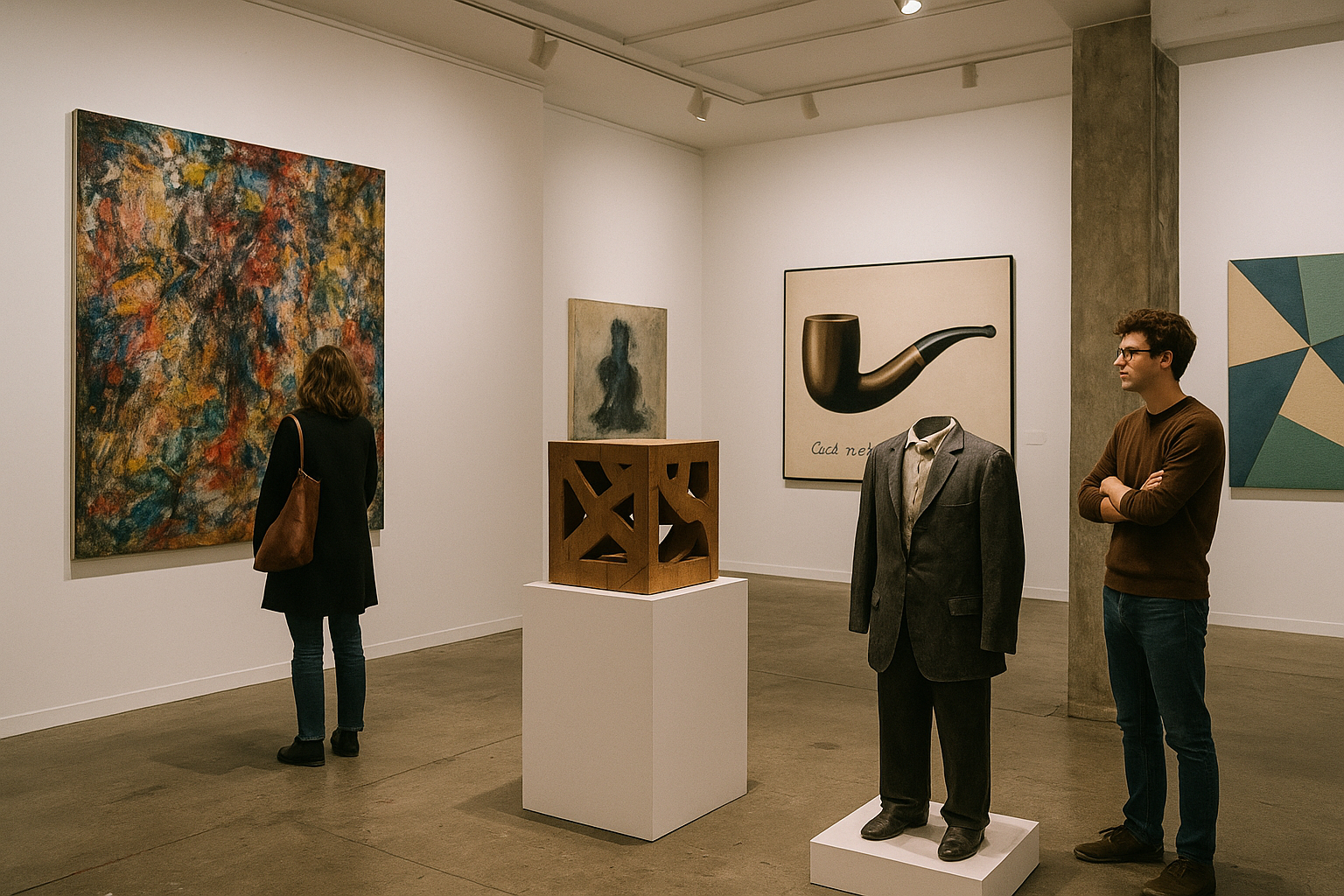
The Postmodern era emerged as a bold challenge to the traditional ideas of meaning, truth, and artistic expression. As society shifted away from rigid structures and absolute interpretations, a new cultural movement took shape—one that encouraged skepticism, embraced paradox, and blurred the boundaries between reality and representation. This era pushed artists, thinkers, and audiences to reconsider how they understood the world, creating a landscape where creativity thrived on uncertainty and reinterpretation.
Breaking Away From Traditional Narratives
Postmodernism developed as a response to the structured, orderly thinking of earlier periods. Instead of seeking one universal meaning, Postmodern artists explored fragmented ideas and diverse viewpoints. They questioned whether any single interpretation could truly represent reality. This shift led to art and literature that felt experimental, self-aware, and intentionally ambiguous. By rejecting the idea of a single “truth,” the era opened doors to new forms of expression that valued complexity over clarity.
Blurring the Line Between Reality and Representation
One of the core themes of the Postmodern era is the belief that what we see is not always what is real. Influenced by media, technology, and rapidly changing social structures, artists began exploring how images, symbols, and narratives shape perception. They argued that representations—whether in advertising, film, or art—often become more influential than reality itself. This blending of truth and illusion encouraged audiences to question what they believe and why they believe it.
Redefining Art Through Irony and Playfulness
Postmodern art is known for its ironic tone, playful twists, and unexpected combinations. Artists borrowed from past styles, mixed high culture with everyday objects, and invited viewers to interact with the meaning of the work. Instead of presenting a clear message, they created art that encouraged interpretation. This approach made creativity more accessible, reminding audiences that art could be both intellectually stimulating and emotionally engaging without relying on traditional rules.
A Cultural Movement That Still Shapes Today
Although the height of the Postmodern era has passed, its influence continues across contemporary culture. Modern storytelling, digital media, advertising, and even humor draw on Postmodern ideas. The emphasis on questioning narratives, exploring identity, and analyzing how society shapes perception still resonates today. The era’s impact can be seen in how people engage with information, challenge assumptions, and navigate a world filled with competing truths.
Conclusion
The Postmodern era transformed how people approach reality, meaning, and artistic expression by encouraging skepticism and embracing complexity. Its influence reshaped culture in a way that continues to inspire creativity and critical thinking. By challenging the boundaries of what is real and what is representation, it paved the way for new ways of understanding both art and the world around us.