Uncover History’s Secrets with Daily Updates!
Daily News Entertainment
  • Home
  • History
  • Biographies
  • Eras
  • Regions
  • Timeline
No Result
View All Result
History Ours
  • Home
  • History
  • Biographies
  • Eras
  • Regions
  • Timeline
No Result
View All Result
History Ours
No Result
View All Result
Home Eras

The Romantic Era: Emotion Over Reason

in Eras
The Romantic Era: Emotion Over Reason

The Romantic Era marked a dramatic shift in the way artists, writers, and thinkers understood the world. Instead of relying on logic, structure, and rational analysis, Romanticism celebrated emotion, imagination, and the power of the human spirit. It emerged as a response to the rigid rules of the Enlightenment, offering a passionate countermovement that valued individuality, intuition, and the beauty of nature. This period reshaped creative expression and left a lasting impact on literature, music, and art.

Romantics believed that true understanding came from feeling rather than calculation. This passionate worldview encouraged people to explore their inner lives and see the world through a more personal, soulful lens.

Emotion as the Window to Truth

Where Enlightenment thinkers prized logic, Romantics saw emotion as a vital source of truth. Feelings such as love, longing, awe, and melancholy were viewed as powerful forces that shaped human experience. Writers and artists expressed these emotions boldly, helping audiences connect deeply with their own inner landscapes.

The Power of Imagination

Imagination became a hallmark of Romanticism. Instead of depicting life exactly as it was, artists reimagined it in symbolic, dramatic, and dreamlike ways. This creative freedom allowed them to explore fantasy, mythology, and the mysterious elements of life. Imagination had not escaped — it was insight.

Nature as Inspiration

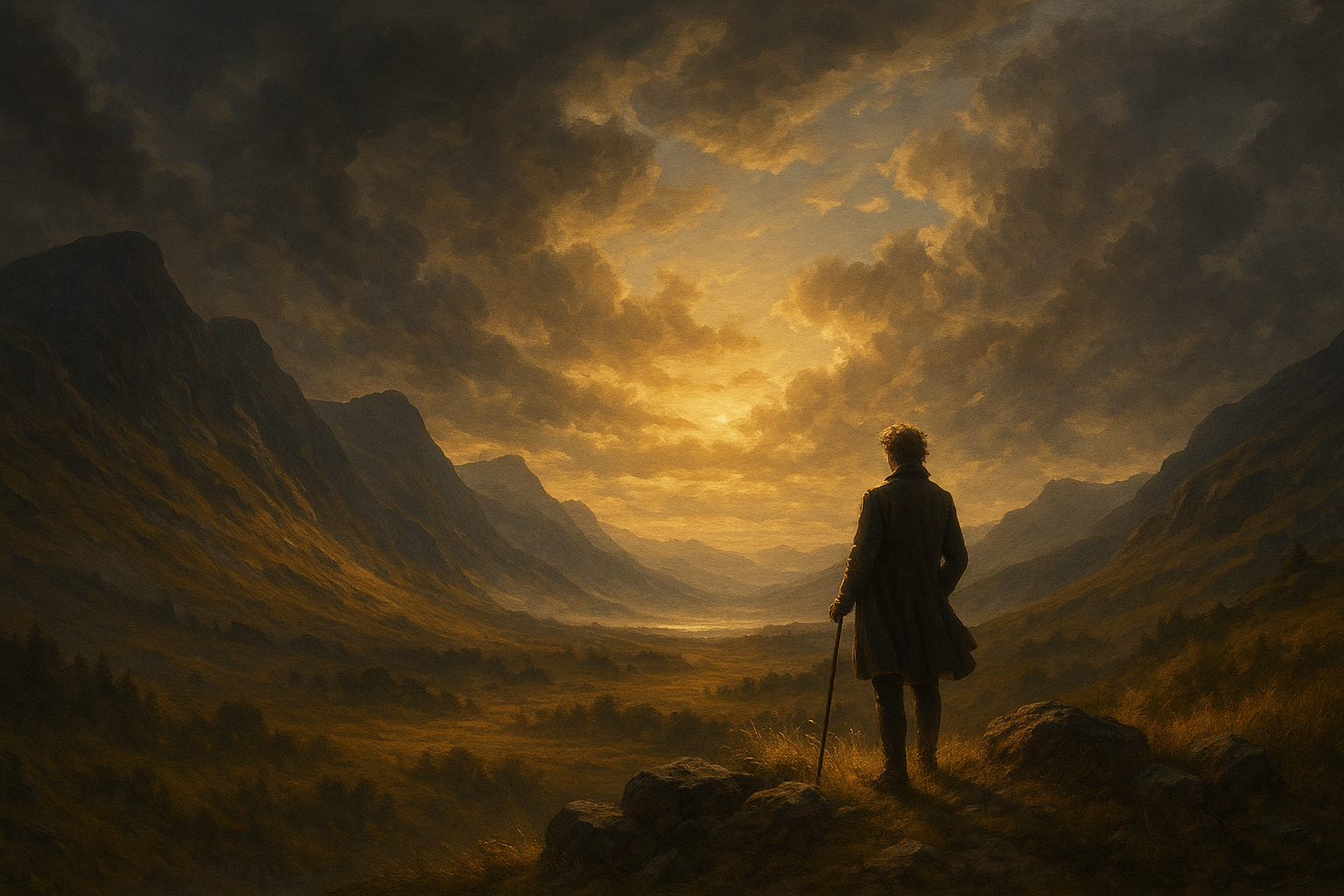
Romantics saw nature as a reflection of human emotion — wild, beautiful, and untamed. Mountains, storms, forests, and rivers appeared throughout Romantic works, symbolizing both inner turmoil and peace. Nature became a spiritual guide, offering inspiration and reminding people of their connection to something greater.

Individuality and Rebellion

The Romantic Era celebrated the individual voice. Artists rejected strict rules and conventions, choosing instead to explore personal expression and creative independence. This spirit of rebellion helped shape modern ideas of artistic freedom, encouraging people to trust their instincts and embrace authenticity.

Conclusion

The Romantic Era forever changed the way people viewed creativity and humanity. By elevating emotion over reason, it encouraged deeper self-reflection, artistic exploration, and a renewed appreciation for the natural world. Its legacy lives on today, reminding us that logic explains the world — but emotion helps us truly feel it.


Previous Post

The Life and Vision of Steve Jobs: Innovation Personified

Next Post

The Postmodern Era: Questioning Reality and Art

Related Posts

Edo: Japan’s Urban Revolution of Lanterns and Printshops
Eras

Edo: Japan’s Urban Revolution of Lanterns and Printshops

September 16, 2026
How the Little Ice Age Changed Everyday Life in Europe
Eras

How the Little Ice Age Changed Everyday Life in Europe

September 16, 2026
Pax Mongolica: How Mongol Rule Rewired the Old World
Eras

Pax Mongolica: How Mongol Rule Rewired the Old World

September 15, 2026
Life Under the Tokugawa: How Edo Japan Rewrote Social Order
Eras

Life Under the Tokugawa: How Edo Japan Rewrote Social Order

September 15, 2026
Next Post
The Postmodern Era: Questioning Reality and Art

The Postmodern Era: Questioning Reality and Art

Search..

No Result
View All Result

Recent Articles

Edo: Japan’s Urban Revolution of Lanterns and Printshops

Edo: Japan’s Urban Revolution of Lanterns and Printshops

September 16, 2026
How the Little Ice Age Changed Everyday Life in Europe

How the Little Ice Age Changed Everyday Life in Europe

September 16, 2026
The Disguise That Broke Chains: Ellen and William Craft

The Disguise That Broke Chains: Ellen and William Craft

September 15, 2026
Bass Reeves: The Marshal Who Hunted Outlaws in Indian Territory

Bass Reeves: The Marshal Who Hunted Outlaws in Indian Territory

September 15, 2026
How the Crystal Palace Turned Glass and Iron into a Modern Stage

How the Crystal Palace Turned Glass and Iron into a Modern Stage

September 15, 2026

Subscribe Us

By clicking submit, I authorize History Ours and its affiliated companies to: (1) use, sell, and share my information for marketing purposes, including cross-context behavioral advertising, as described in our Terms of Service and Privacy Policy, (2) supplement the information that I provide with additional information lawfully obtained from other sources, like demographic data from public sources, interests inferred from web page views, or other data relevant to what might interest me, like past purchase or location data, (3) contact me or enable others to contact me by email with offers for goods and services from any category at the email address provided, and (4) retain my information while I am engaging with marketing messages that I receive and for a reasonable amount of time thereafter. I understand I can opt out at any time through an email that I receive, or by clicking here

Subscribe To Our Newsletter

By clicking submit, I authorize History Ours and its affiliated companies to: (1) use, sell, and share my information for marketing purposes, including cross-context behavioral advertising, as described in our Terms of Service and Privacy Policy, (2) supplement the information that I provide with additional information lawfully obtained from other sources, like demographic data from public sources, interests inferred from web page views, or other data relevant to what might interest me, like past purchase or location data, (3) contact me or enable others to contact me by email with offers for goods and services from any category at the email address provided, and (4) retain my information while I am engaging with marketing messages that I receive and for a reasonable amount of time thereafter. I understand I can opt out at any time through an email that I receive, or by clicking here.

© 2026 History Ours | All Rights Reserved

  • Contact Us
  • Privacy Policy
  • Terms of Service
  • Unsubscribe
  • Privacy Choices
  • Contact Us
  • Privacy Policy
  • Terms of Service
  • Unsubscribe
  • Privacy Choices

© 2026 History Ours | All Rights Reserved

No Result
View All Result
  • Home
  • History
  • Biographies
  • Eras
  • Regions
  • Timeline

© 2026 History Ours | All Rights Reserved

Skip to content
Open toolbar Accessibility Tools

Accessibility Tools

  • Increase TextIncrease Text
  • Decrease TextDecrease Text
  • GrayscaleGrayscale
  • High ContrastHigh Contrast
  • Negative ContrastNegative Contrast
  • Light BackgroundLight Background
  • Links UnderlineLinks Underline
  • Readable FontReadable Font
  • Reset Reset