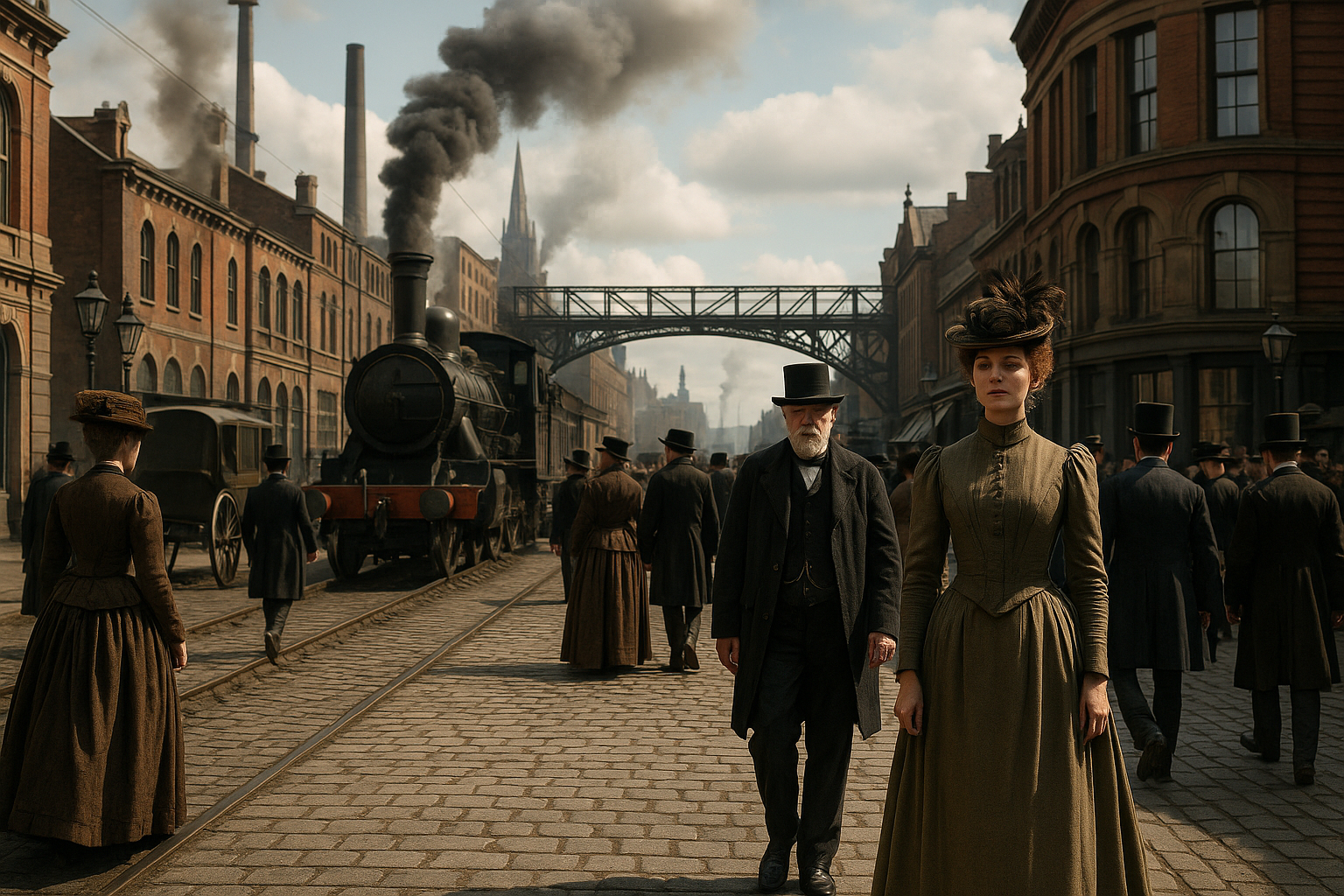
The Victorian Era stands as one of history’s most transformative periods — an age where progress met restraint, and innovation reshaped society. Defined by rapid industrialization, evolving social values, and groundbreaking inventions, it was a time of striking contrasts. Beneath the polished manners and moral codes, a revolution of thought, technology, and modern identity was quietly unfolding.
The Moral Framework of a Changing World
The era was marked by a strict sense of decorum and duty. Society valued discipline, self-restraint, and moral conduct as measures of respectability. Etiquette dictated everyday life, from conversation to clothing. Yet behind this formality, debates on class, gender, and equality were stirring. The moral climate reflected both a deep concern for virtue and a growing awareness of social justice — a duality that defined the age.
Industrial Power and the Age of Invention
The Victorian period was also the engine of industrial progress. Steam power, mechanized production, and urbanization transformed how people worked and lived. The rise of factories created vast opportunities while also exposing inequalities. Machinery symbolized both human ingenuity and the cost of progress — reshaping landscapes, labor, and lifestyles. It was during this era that technology became inseparable from identity, marking the dawn of modern industry.
Society, Class, and the Expanding Middle Ground
Industrial growth created new economic classes and shifted the balance of power. A rising middle class championed hard work, education, and self-improvement, while the working population sought fair wages and humane conditions. Literature, art, and journalism gave voice to these experiences, blending moral commentary with social critique. This expanding conversation helped redefine the idea of progress beyond mere wealth and machinery.
Modern Thought and the Spirit of Inquiry
Curiosity was another hallmark of the Victorian spirit. Science, exploration, and philosophy all flourished as people sought to understand the natural world and human behavior. Advances in communication, medicine, and engineering opened doors to new possibilities. Intellectual life thrived, with thinkers questioning long-held beliefs and artists capturing both the optimism and anxiety of a changing society. The age’s intellectual diversity remains one of its most enduring legacies.
Balancing Tradition and Innovation
The Victorian Era was not just about invention — it was about negotiation. As technology advanced, society struggled to balance moral ideals with newfound freedoms. The tension between progress and propriety reflected the growing pains of modernization. In many ways, the challenges faced then — ethical use of technology, social inequality, and cultural adaptation — mirror those of our own time.
Conclusion
The Victorian Era was more than a historical period; it was a turning point in human consciousness. It taught the world that progress requires reflection, and that innovation must be tempered by humanity. Between its polished manners and powerful machines lay the foundation of modern life — an enduring reminder that advancement and morality must evolve together.