
Uncover History’s Secrets with Daily Updates!
Daily News Entertainment
  • Home
  • History
  • Biographies
  • Eras
  • Regions
  • Timeline
No Result
View All Result
History Ours
  • Home
  • History
  • Biographies
  • Eras
  • Regions
  • Timeline
No Result
View All Result
History Ours
No Result
View All Result
Home Regions

Africa’s Forgotten Empires: Mali, Nubia, and Great Zimbabwe

in Regions
Africa’s Forgotten Empires: Mali, Nubia, and Great Zimbabwe

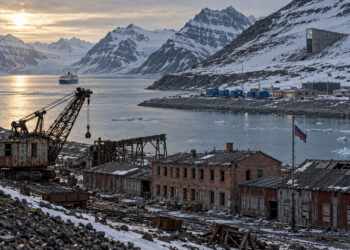
Long before European colonization, Africa was home to some of the most sophisticated and prosperous civilizations in the world. The empires of Mali, Nubia, and Great Zimbabwe flourished through trade, innovation, and cultural advancement. Yet, their achievements are often overlooked in mainstream history. These forgotten empires remind us that Africa’s story is one of brilliance, resilience, and global influence.

1. The Mali Empire: Gold and Greatness

Founded in the 13th century, the Mali Empire became one of the richest and most powerful kingdoms in West Africa. Its prosperity came from controlling trade routes that connected the Sahara to North Africa and the Middle East.

The empire’s legendary ruler, Mansa Musa, is often cited as one of the wealthiest individuals in history. His famous pilgrimage to Mecca in 1324 showcased Mali’s immense riches and cultural sophistication, putting Africa at the heart of global trade and learning. The city of Timbuktu became a beacon of knowledge, home to scholars, libraries, and universities that attracted thinkers from across continents.

2. The Kingdom of Nubia: Power Along the Nile

To the south of ancient Egypt, the Kingdom of Nubia thrived along the Nile River for more than two thousand years. Known for its skilled archers, advanced metallurgy, and unique pyramids, Nubia was both a rival and a partner to Egypt.

Nubian rulers of the Kushite Dynasty once controlled Egypt itself, founding the 25th Dynasty and ruling as Pharaohs. Their capital, Meroe, became a major center of iron production and trade, linking Africa to the Mediterranean and beyond. Nubia’s art and architecture stand as enduring symbols of Africa’s early complexity and power.

3. Great Zimbabwe: The Stone Kingdom of the South

Far to the south, between the 11th and 15th centuries, rose Great Zimbabwe—a magnificent stone city built without mortar. Its towering granite walls and intricate enclosures reveal advanced engineering and artistic vision.

Great Zimbabwe was a thriving trade hub, connecting inland gold mines to the coastal cities of East Africa and the Indian Ocean trade network. Artifacts from as far away as China and Persia have been found there, proving the city’s far-reaching connections.

Despite colonial attempts to deny its African origins, Great Zimbabwe remains a proud testament to indigenous innovation and sovereignty.

Conclusion

The empires of Mali, Nubia, and Great Zimbabwe challenge outdated narratives about Africa’s past. These civilizations were not isolated or primitive—they were vibrant, connected, and influential. By revisiting their stories, we not only restore their rightful place in world history but also celebrate the creativity and strength that continue to define Africa today.

Previous Post

The Victorian Era: Morality, Machinery, and Modernity

Next Post

The Rise and Fall of the Roman Empire

Related Posts

Trieste: A Port at the Edge of Empires
Regions

Trieste: A Port at the Edge of Empires

September 15, 2026
Svalbard: How a Frozen Archipelago Became an International Outpost
Regions

Svalbard: How a Frozen Archipelago Became an International Outpost

September 15, 2026
Orkney: Where Norse Law and Scottish Life Intertwined
Regions

Orkney: Where Norse Law and Scottish Life Intertwined

September 15, 2026
Inside the Covered Streets: The Grand Bazaar and Istanbul’s Life
Regions

Inside the Covered Streets: The Grand Bazaar and Istanbul’s Life

September 15, 2026
Next Post
The Rise and Fall of the Roman Empire

The Rise and Fall of the Roman Empire

Search..

No Result
View All Result

Recent Articles

The Disguise That Broke Chains: Ellen and William Craft

The Disguise That Broke Chains: Ellen and William Craft

September 15, 2026
Bass Reeves: The Marshal Who Hunted Outlaws in Indian Territory

Bass Reeves: The Marshal Who Hunted Outlaws in Indian Territory

September 15, 2026
How the Crystal Palace Turned Glass and Iron into a Modern Stage

How the Crystal Palace Turned Glass and Iron into a Modern Stage

September 15, 2026
Anne Bonny: The Pirate Who Broke Rules and Expectations

Anne Bonny: The Pirate Who Broke Rules and Expectations

September 15, 2026
How Haiti Broke Its Chains: A 1791–1804 Timeline

How Haiti Broke Its Chains: A 1791–1804 Timeline

September 15, 2026

Subscribe Us

By clicking submit, I authorize History Ours and its affiliated companies to: (1) use, sell, and share my information for marketing purposes, including cross-context behavioral advertising, as described in our Terms of Service and Privacy Policy, (2) supplement the information that I provide with additional information lawfully obtained from other sources, like demographic data from public sources, interests inferred from web page views, or other data relevant to what might interest me, like past purchase or location data, (3) contact me or enable others to contact me by email with offers for goods and services from any category at the email address provided, and (4) retain my information while I am engaging with marketing messages that I receive and for a reasonable amount of time thereafter. I understand I can opt out at any time through an email that I receive, or by clicking here

Subscribe To Our Newsletter

By clicking submit, I authorize History Ours and its affiliated companies to: (1) use, sell, and share my information for marketing purposes, including cross-context behavioral advertising, as described in our Terms of Service and Privacy Policy, (2) supplement the information that I provide with additional information lawfully obtained from other sources, like demographic data from public sources, interests inferred from web page views, or other data relevant to what might interest me, like past purchase or location data, (3) contact me or enable others to contact me by email with offers for goods and services from any category at the email address provided, and (4) retain my information while I am engaging with marketing messages that I receive and for a reasonable amount of time thereafter. I understand I can opt out at any time through an email that I receive, or by clicking here.

© 2026 History Ours | All Rights Reserved

  • Contact Us
  • Privacy Policy
  • Terms of Service
  • Unsubscribe
  • Privacy Choices
  • Contact Us
  • Privacy Policy
  • Terms of Service
  • Unsubscribe
  • Privacy Choices

© 2026 History Ours | All Rights Reserved

No Result
View All Result
  • Home
  • History
  • Biographies
  • Eras
  • Regions
  • Timeline

© 2026 History Ours | All Rights Reserved

Skip to content
Open toolbar Accessibility Tools

Accessibility Tools

  • Increase TextIncrease Text
  • Decrease TextDecrease Text
  • GrayscaleGrayscale
  • High ContrastHigh Contrast
  • Negative ContrastNegative Contrast
  • Light BackgroundLight Background
  • Links UnderlineLinks Underline
  • Readable FontReadable Font
  • Reset Reset