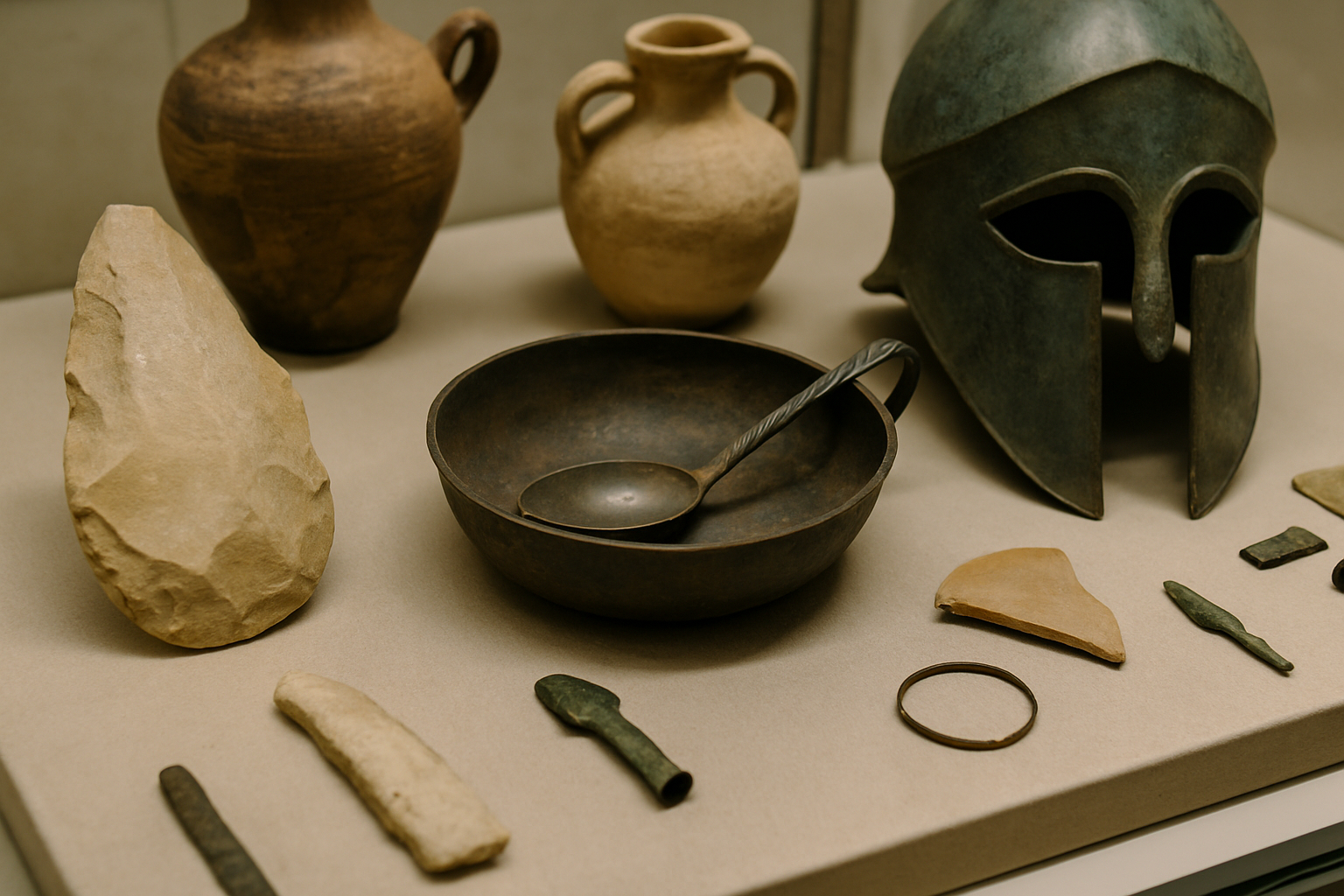
Artifacts are more than objects from the past—they are windows into the lives, beliefs, and innovations of the people who came before us. Whether carved from stone, woven by hand, or forged from metal, artifacts reveal how humans have adapted, created, and evolved throughout history. Each piece holds clues about the challenges societies faced, the tools they developed, and the values they cherished. By studying artifacts, we gain a deeper understanding of our shared journey and the milestones that shaped human progress.
Artifacts as Evidence of Early Innovation
Long before written language existed, artifacts served as the primary record of human creativity. Tools, pottery, and ancient carvings reveal how early people solved problems and improved their daily lives. Simple stone tools show the origins of craftsmanship, while early agricultural tools highlight humanity’s shift toward settled life. These early creations remind us that progress often begins with small, practical steps driven by necessity and curiosity.
Cultural Identity Preserved Through Objects
Every civilization has produced unique artifacts that express its cultural identity. Jewelry, clothing, ceremonial items, and architectural fragments all tell stories about traditions, beliefs, and social structures. These objects help historians understand how communities celebrated, worshipped, and organized their worlds. Artifacts bridge time, allowing modern viewers to connect emotionally with people long gone by seeing what they valued and created.
Technological Breakthroughs Captured in Material Form
Artifacts also chart the evolution of technology across centuries. From bronze weapons to early printing presses and scientific instruments, each advancement represents a leap forward in human ability. These items reveal how innovation spread across geographic regions and how societies influenced each other through trade, conflict, and exploration. Studying these objects helps us trace the origins of modern technology and appreciate the ingenuity behind its development.
Uncovering Social and Economic History
Everyday artifacts—coins, tools, household items—play an equally important role in understanding human progress. They show how people lived, worked, and participated in their economies. These items offer insight into social classes, trade systems, and resource availability. By examining what people used daily, we gain a clearer picture of how societies functioned and what shaped their way of life.
Conclusion
Artifacts serve as powerful storytellers, revealing how humans have grown, adapted, and innovated over time. Through these objects, we uncover the achievements, struggles, and values that shaped civilization. By studying artifacts, we not only preserve history—we gain perspective on our own place in the ongoing story of human progress.