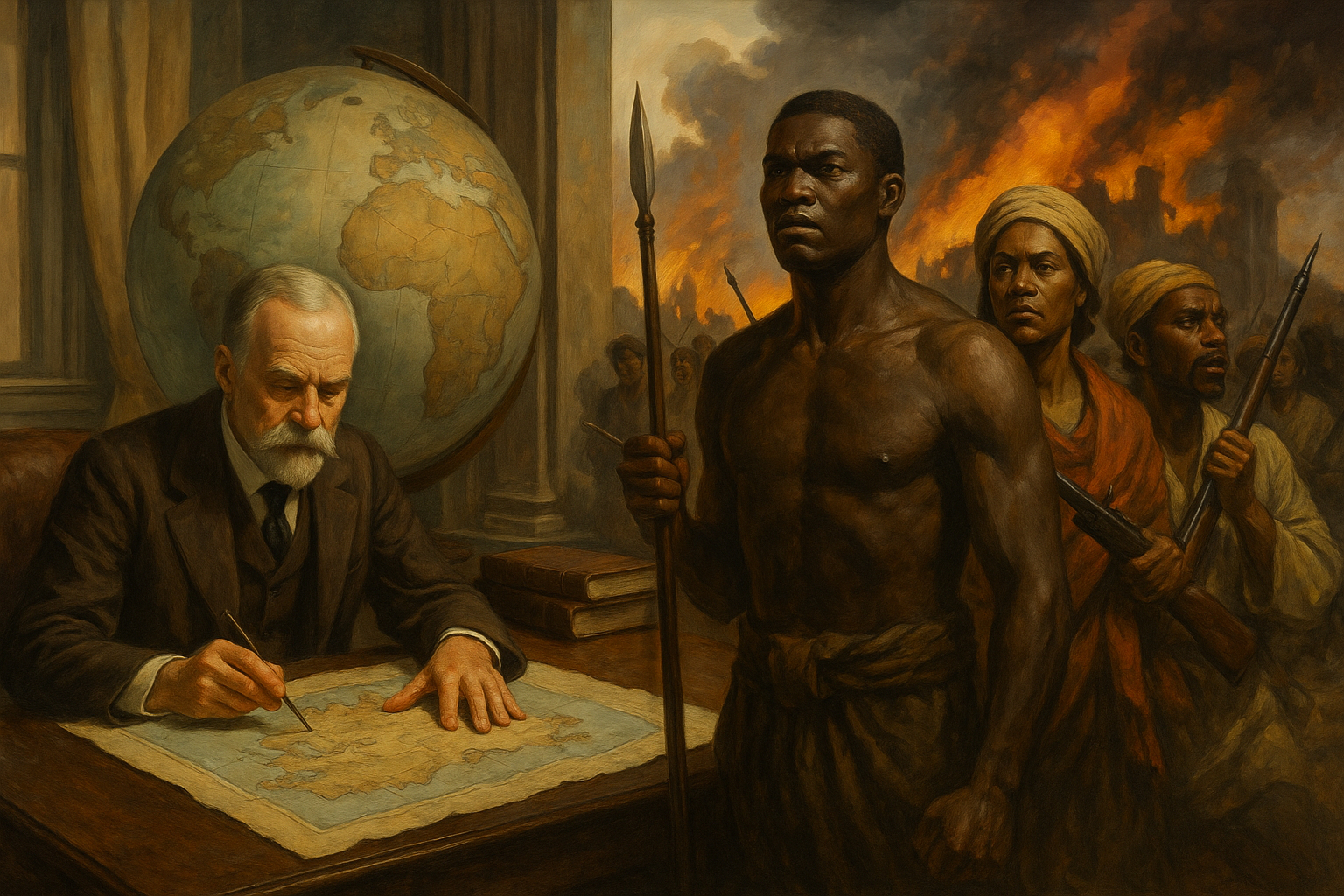
Colonialism reshaped the world in profound and lasting ways, influencing borders, cultures, economies, and identities across continents. Its legacy continues to shape global relationships, social structures, and national narratives even today. While colonial powers extracted wealth and imposed new systems, resistance movements emerged everywhere, driven by the desire for freedom, dignity, and cultural preservation. The story of colonialism and resistance is not just a historical episode—it is a defining force that continues to influence global society.
Economic Transformation and Unequal Development
Colonialism dramatically altered global trade and resource extraction. Colonized regions supplied raw materials while imperial powers captured profits, setting the stage for long-term economic imbalance. Infrastructure was built primarily to serve colonial interests, and economic dependence often continued even after independence. These structures still affect global wealth distribution, shaping the economic opportunities of nations today.
Cultural Disruption and Survival
Across the world, colonial rule imposed foreign languages, religions, and educational systems. Indigenous traditions were suppressed or devalued, yet many communities held onto their cultural identity through resistance—both overt and subtle. This cultural resilience helped preserve languages, rituals, and histories that continue to thrive in modern societies. Today, a renewed focus on cultural restoration reflects ongoing efforts to reclaim identity.
Political Resistance and the Fight for Freedom
Every colonized region developed its own resistance movements. From organized revolutions to intellectual uprisings and peaceful civil disobedience, these movements reshaped global politics. Leaders and thinkers emerged who challenged colonial rule, inspiring future generations to fight for justice and equality. Their struggles paved the way for modern nationhood, democracy, and human rights.
The Ripple Effects on Modern Civilization
The impact of colonialism and resistance can be seen in migration patterns, global languages, cultural fusion, and geopolitical tensions. Former colonies now play major roles in shaping global culture, contributing literature, art, music, cuisine, and knowledge systems that enrich the world. At the same time, unresolved historical grievances influence international relations and domestic policy debates.
Conclusion
Colonialism and resistance together created a global turning point, forever reshaping nations and identities. While the scars of exploitation remain, the resilience of communities and the power of resistance continue to inspire movements for justice, equality, and cultural revival. Understanding this shared history helps us build a more informed, inclusive, and interconnected world.