
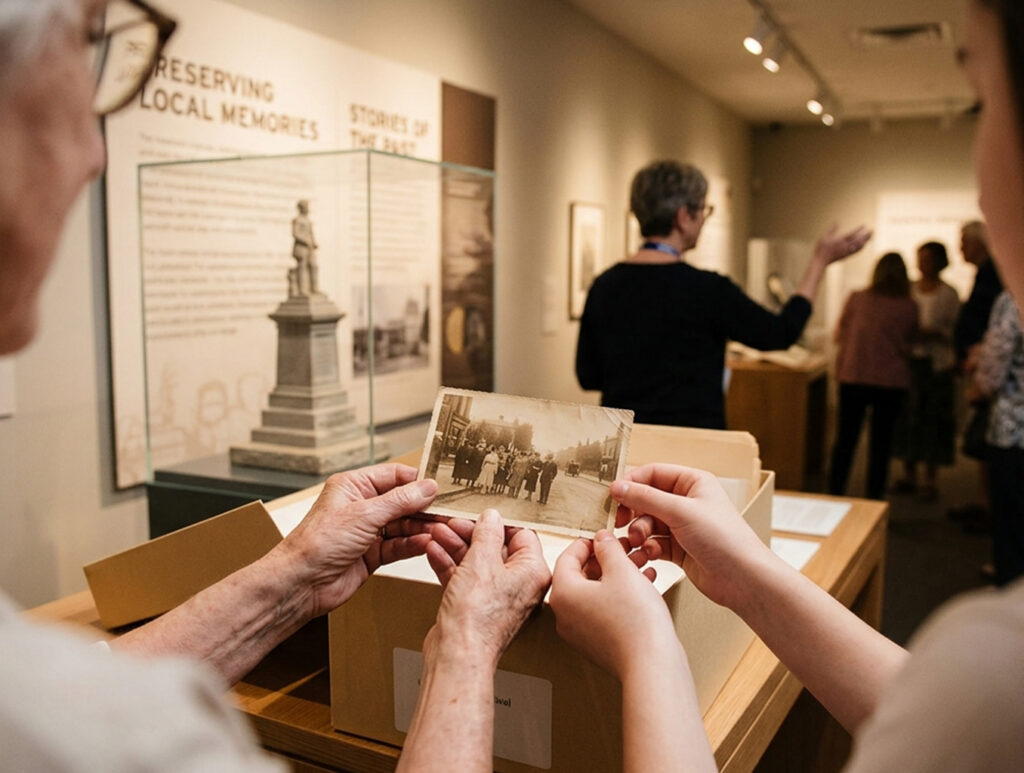
Public memory is the set of stories, symbols, and sites through which communities remember their past and orient their present. It emerges in monuments, museums, ceremonies, textbooks, and the narratives passed between generations. These collective forms of remembering do not simply record facts; they select, emphasize, and sometimes silence elements of history. Understanding how public memory forms helps explain why different groups can interpret the same events in remarkably divergent ways.
Examining public memory invites us to question both what is commemorated and who decides. This article explores origins, changing interpretations, and practical tools for preserving complex histories.
The Origins of Public Memory
Public memory often begins with deliberate acts of commemoration after major events, where political leaders, cultural institutions, and civic groups shape collective recollection. Decisions about monuments, holidays, and museum exhibitions reflect contemporary concerns as much as past realities. Those choices can consolidate identity, legitimize authority, or heal divisions by offering shared narratives. Over time, these narratives become embedded in education and popular culture, sometimes acquiring the force of received truth.
Tracing the origins of a particular public memory reveals the motives and contexts that produced it. This historical lens helps to distinguish between commemorative intent and subsequent reinterpretation.
Changing Interpretations Over Time
Interpretations of the past are not fixed; they evolve as societies change and new evidence or perspectives emerge. Wars, migration, and social movements frequently prompt reassessments of established narratives, leading to reinterpretation or contestation of monuments and curricula. Digital archives and scholarly research can surface neglected voices, while public debates often force institutions to confront uncomfortable histories. These shifts demonstrate how memory is dynamic and subject to negotiation among competing stakeholders.
Recognizing the malleability of public memory encourages critical engagement rather than passive acceptance. It opens space for more inclusive and accurate portrayals of the past.
Tools for Preservation and Reinterpretation
Historians, curators, educators, and community organizers use practical tools to preserve and reinterpret public memory responsibly. Oral history projects record diverse eyewitness accounts, while digital platforms expand access to archival materials and contextual commentary. Museum reinterpretations, annotated plaques, and collaborative exhibitions can acknowledge previously marginalized perspectives without erasing other experiences. Engaging multiple voices in decision making helps create narratives that are both honest and pedagogically useful.
- Oral histories and community archives.
- Interactive digital platforms and annotated records.
These tools foster a participatory approach to memory that balances preservation with critical reassessment. They also support ongoing dialogue about how best to represent complex pasts.
Conclusion
Public memory profoundly influences how societies understand their history and imagine their future. By examining its origins, changes, and tools for reinterpretation, we can encourage more nuanced and inclusive narratives. Thoughtful stewardship of memory strengthens civic life and deepens historical literacy.