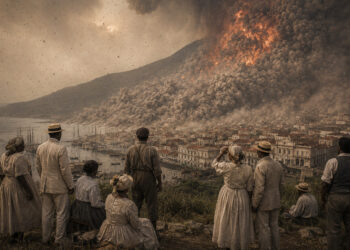

Communities do more than inherit facts; they curate stories that give the past meaning. Memory is built through daily practices, rituals, and the places people preserve. These shared remembrances influence identity, values, and public decisions over generations. Understanding how collective memory forms reveals how history is lived as much as recorded.
Collective Memory and Historical Sources
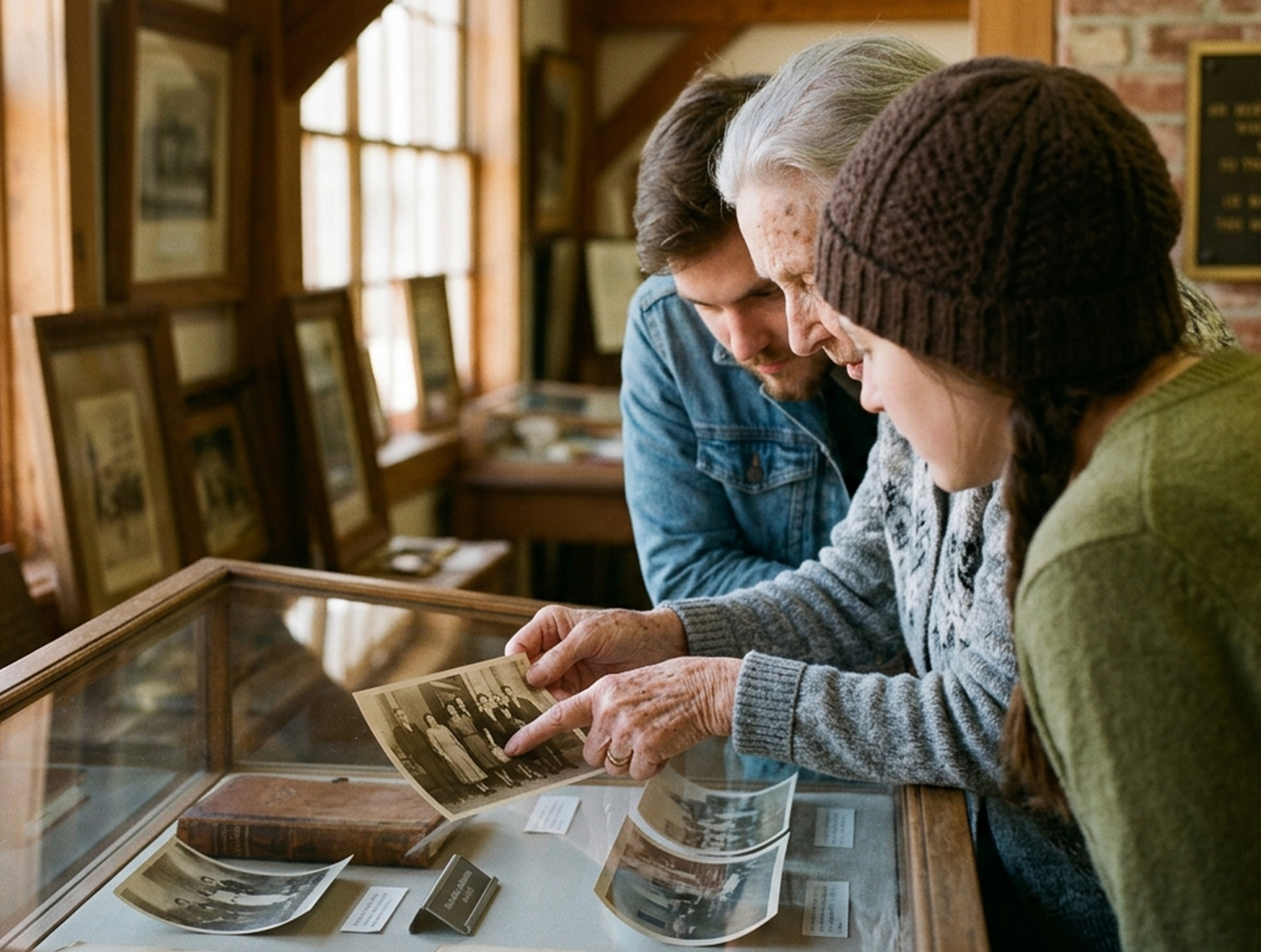
Collective memory often begins with tangible sources: documents, photographs, oral testimonies, and physical artifacts that communities prioritize. Professional historians analyze those materials alongside popular recollections to trace how narratives are constructed and transformed. Memory can emphasize certain events while minimizing others, producing a selective archive that reflects present needs as much as past realities. Over time, repeated retellings can solidify provisional stories into accepted local truths.
Those dynamics matter because they shape which voices are preserved and which are marginalized. A balanced study considers institutional records and everyday accounts to reconstruct a fuller sense of the past.
Monuments, Landscapes, and Material Culture
Public spaces and objects anchor memory in the landscape, giving abstract ideas a physical presence. Monuments, plaques, restored buildings, and curated museums signal what a community regards as important. Decisions about preservation and display involve choices about meaning and who gets to decide it, reflecting contemporary debates about identity and justice. Even the absence of memorials can communicate as much as their presence, indicating contested or erased pasts.
- Built monuments that celebrate events or people.
- Everyday sites like markets or homes that hold local memory.
- Museum exhibits that frame narratives through selection and interpretation.
Attending to material culture offers insight into how groups maintain continuity or enact change. These objects and spaces make memory accessible and negotiable.
Education, Media, and Living Traditions
Schools, media, and community rituals transmit memory across generations and can reshape it in the process. Curricula determine which episodes are emphasized, while films, newspapers, and social media remix those stories for broader audiences. Festivals, commemorations, and family practices keep memories lively and adaptable, allowing communities to reinterpret the past in light of new values. This multiplicity of transmitters creates a dynamic interplay between official history and popular remembrance.
Responsible stewardship involves acknowledging complexity and encouraging multiple perspectives. Public conversations and inclusive practices help communities negotiate contested memories constructively.
Conclusion
Collective memory is an active, negotiated process that connects communities to their past. It relies on choices about preservation, storytelling, and representation. Engaging these choices thoughtfully deepens public understanding and supports a more nuanced appreciation of history.