
Uncover History’s Secrets with Daily Updates!
Daily News Entertainment
  • Home
  • History
  • Biographies
  • Eras
  • Regions
  • Timeline
No Result
View All Result
History Ours
  • Home
  • History
  • Biographies
  • Eras
  • Regions
  • Timeline
No Result
View All Result
History Ours
No Result
View All Result
Home History

How Public Memory Shapes Our Understanding of the Past

in History
How Public Memory Shapes Our Understanding of the Past

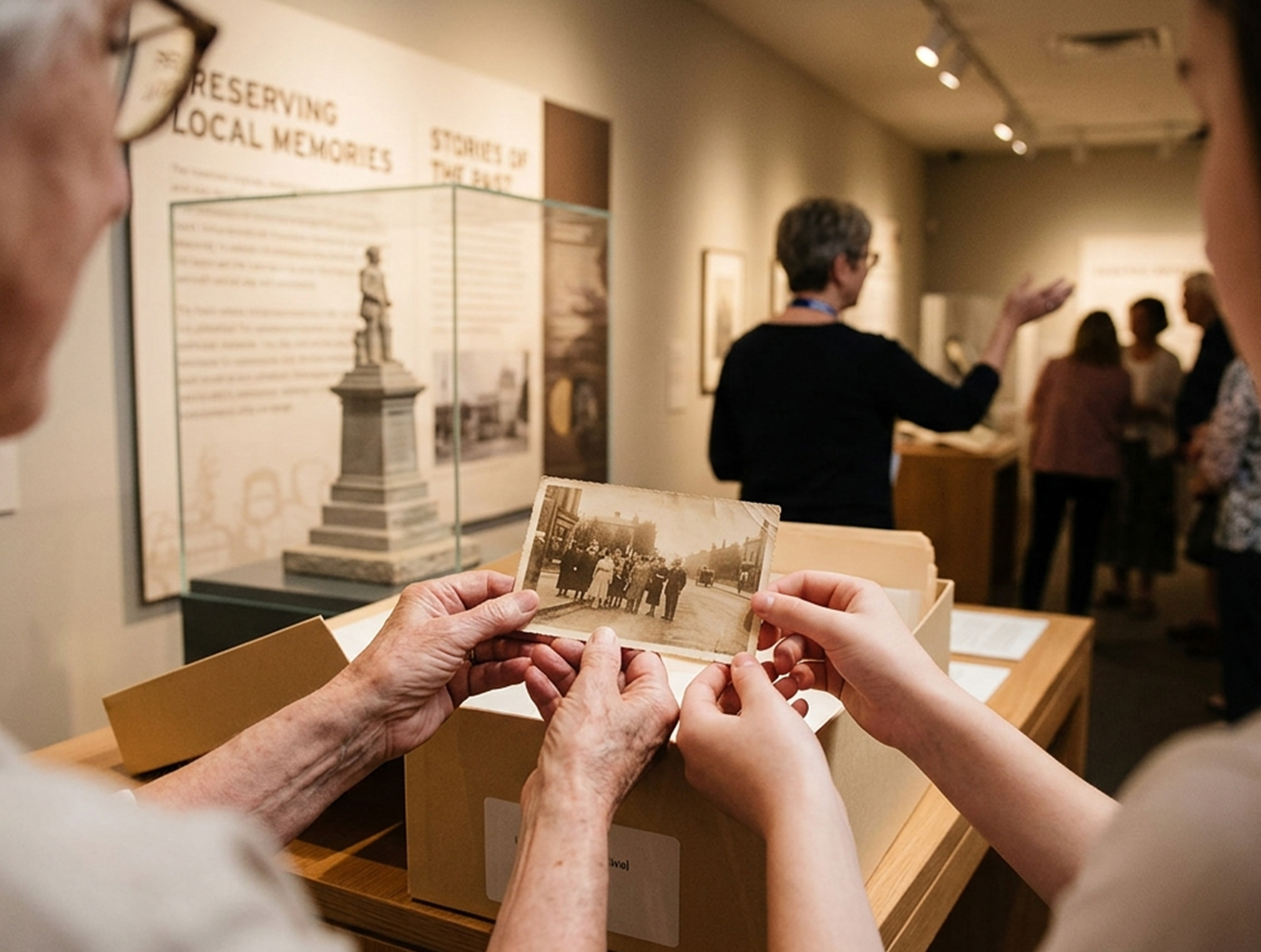
Public memory is the set of stories, symbols, and sites through which communities remember their past and orient their present. It emerges in monuments, museums, ceremonies, textbooks, and the narratives passed between generations. These collective forms of remembering do not simply record facts; they select, emphasize, and sometimes silence elements of history. Understanding how public memory forms helps explain why different groups can interpret the same events in remarkably divergent ways.

Examining public memory invites us to question both what is commemorated and who decides. This article explores origins, changing interpretations, and practical tools for preserving complex histories.

The Origins of Public Memory

Public memory often begins with deliberate acts of commemoration after major events, where political leaders, cultural institutions, and civic groups shape collective recollection. Decisions about monuments, holidays, and museum exhibitions reflect contemporary concerns as much as past realities. Those choices can consolidate identity, legitimize authority, or heal divisions by offering shared narratives. Over time, these narratives become embedded in education and popular culture, sometimes acquiring the force of received truth.

Tracing the origins of a particular public memory reveals the motives and contexts that produced it. This historical lens helps to distinguish between commemorative intent and subsequent reinterpretation.

Changing Interpretations Over Time

Interpretations of the past are not fixed; they evolve as societies change and new evidence or perspectives emerge. Wars, migration, and social movements frequently prompt reassessments of established narratives, leading to reinterpretation or contestation of monuments and curricula. Digital archives and scholarly research can surface neglected voices, while public debates often force institutions to confront uncomfortable histories. These shifts demonstrate how memory is dynamic and subject to negotiation among competing stakeholders.

Recognizing the malleability of public memory encourages critical engagement rather than passive acceptance. It opens space for more inclusive and accurate portrayals of the past.

Tools for Preservation and Reinterpretation

Historians, curators, educators, and community organizers use practical tools to preserve and reinterpret public memory responsibly. Oral history projects record diverse eyewitness accounts, while digital platforms expand access to archival materials and contextual commentary. Museum reinterpretations, annotated plaques, and collaborative exhibitions can acknowledge previously marginalized perspectives without erasing other experiences. Engaging multiple voices in decision making helps create narratives that are both honest and pedagogically useful.

  • Oral histories and community archives.
  • Interactive digital platforms and annotated records.

These tools foster a participatory approach to memory that balances preservation with critical reassessment. They also support ongoing dialogue about how best to represent complex pasts.

Conclusion

Public memory profoundly influences how societies understand their history and imagine their future. By examining its origins, changes, and tools for reinterpretation, we can encourage more nuanced and inclusive narratives. Thoughtful stewardship of memory strengthens civic life and deepens historical literacy.
Previous Post

Creating Interactive Timelines to Clarify Historical Narratives

Next Post

Remembering History: How Communities Shape Collective Memory

Related Posts

John Snow, the Broad Street Pump, and Cholera’s Fall
History

John Snow, the Broad Street Pump, and Cholera’s Fall

October 29, 2026
The Vasa: Sweden’s Giant Ship That Couldn’t Sail
History

The Vasa: Sweden’s Giant Ship That Couldn’t Sail

October 29, 2026
The Ghost Army: How Artists Fooled Hitler’s Front
History

The Ghost Army: How Artists Fooled Hitler’s Front

October 24, 2026
How Iceland’s 1783 Laki Fissure Eruption Chilled an Age
History

How Iceland’s 1783 Laki Fissure Eruption Chilled an Age

October 24, 2026
Next Post
Remembering History: How Communities Shape Collective Memory

Remembering History: How Communities Shape Collective Memory

Search..

No Result
View All Result

Recent Articles

How Carrara’s Marble Carved a Peculiar Mountain Region

How Carrara’s Marble Carved a Peculiar Mountain Region

November 1, 2026
The Great Dismal Swamp: Refuge, Labor, and a Hidden Region

The Great Dismal Swamp: Refuge, Labor, and a Hidden Region

November 1, 2026
The Salon Era: How Conversation Shaped the Enlightenment

The Salon Era: How Conversation Shaped the Enlightenment

October 31, 2026
Tenement New York: Life in Vertical Slums, 1870–1910

Tenement New York: Life in Vertical Slums, 1870–1910

October 31, 2026
Mary Seacole: The Jamaican Nurse Who Went to War

Mary Seacole: The Jamaican Nurse Who Went to War

October 30, 2026

Subscribe Us

By clicking submit, I authorize History Ours and its affiliated companies to: (1) use, sell, and share my information for marketing purposes, including cross-context behavioral advertising, as described in our Terms of Service and Privacy Policy, (2) supplement the information that I provide with additional information lawfully obtained from other sources, like demographic data from public sources, interests inferred from web page views, or other data relevant to what might interest me, like past purchase or location data, (3) contact me or enable others to contact me by email with offers for goods and services from any category at the email address provided, and (4) retain my information while I am engaging with marketing messages that I receive and for a reasonable amount of time thereafter. I understand I can opt out at any time through an email that I receive, or by clicking here

Subscribe To Our Newsletter

By clicking submit, I authorize History Ours and its affiliated companies to: (1) use, sell, and share my information for marketing purposes, including cross-context behavioral advertising, as described in our Terms of Service and Privacy Policy, (2) supplement the information that I provide with additional information lawfully obtained from other sources, like demographic data from public sources, interests inferred from web page views, or other data relevant to what might interest me, like past purchase or location data, (3) contact me or enable others to contact me by email with offers for goods and services from any category at the email address provided, and (4) retain my information while I am engaging with marketing messages that I receive and for a reasonable amount of time thereafter. I understand I can opt out at any time through an email that I receive, or by clicking here.

© 2026 History Ours | All Rights Reserved

  • Contact Us
  • Privacy Policy
  • Terms of Service
  • Unsubscribe
  • Privacy Choices
  • Contact Us
  • Privacy Policy
  • Terms of Service
  • Unsubscribe
  • Privacy Choices

© 2026 History Ours | All Rights Reserved

No Result
View All Result
  • Home
  • History
  • Biographies
  • Eras
  • Regions
  • Timeline

© 2026 History Ours | All Rights Reserved

Skip to content
Open toolbar Accessibility Tools

Accessibility Tools

  • Increase TextIncrease Text
  • Decrease TextDecrease Text
  • GrayscaleGrayscale
  • High ContrastHigh Contrast
  • Negative ContrastNegative Contrast
  • Light BackgroundLight Background
  • Links UnderlineLinks Underline
  • Readable FontReadable Font
  • Reset Reset