

Uncover History’s Secrets with Daily Updates!
Daily News Entertainment
  • Home
  • History
  • Biographies
  • Eras
  • Regions
  • Timeline
No Result
View All Result
History Ours
  • Home
  • History
  • Biographies
  • Eras
  • Regions
  • Timeline
No Result
View All Result
History Ours
No Result
View All Result

Bahis vergilendirmesi Türkiye’de devlet kontrolündedir, ancak yeni açılan casino siteleri gibi uluslararası sitelerde oyuncular kendi kazançlarını yönetir.

Home History

Markets, Memory, and Mobility in Small Historic Towns

in History
Markets, Memory, and Mobility in Small Historic Towns

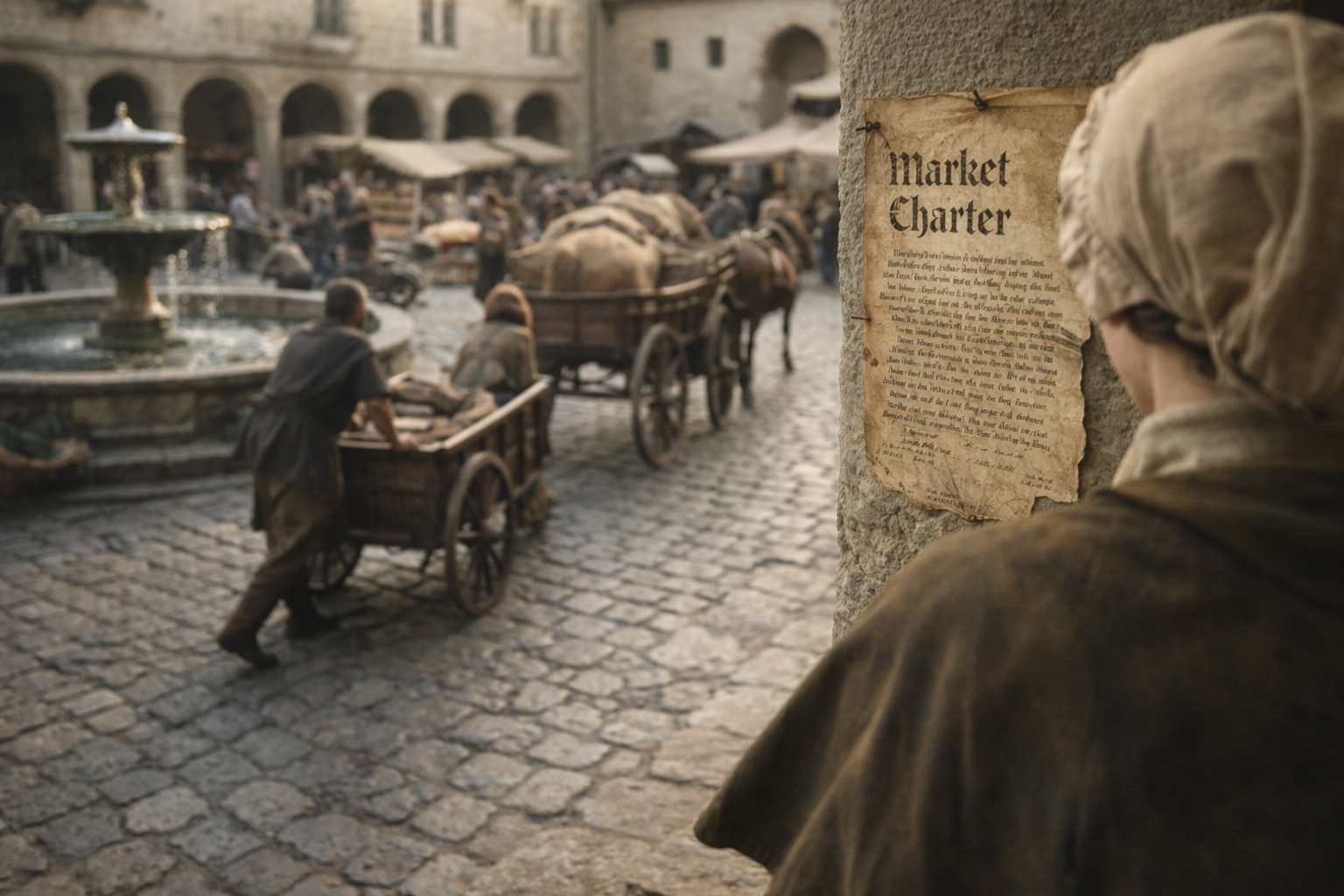
In many small historic towns, marketplaces were more than places to buy and sell; they were stages for social life, exchange, and change. Daily rhythms of trade shaped how residents moved, met, and remembered one another across decades. Understanding these market spaces reveals how economic activity intertwined with civic rituals, gossip networks, and practical mobility. This article explores how marketplaces structured communal memory and everyday movement in historic towns.

Market Spaces as Social Infrastructure

Market squares and lanes functioned as social infrastructure where people encountered neighbors, negotiators, and officials in predictable patterns. Stalls and fixed vendors created anchored meeting points that supported informal information networks and mutual aid. Architectural features such as arcades, fountains, and gateway streets organized sightlines and circulation, making certain interactions more likely than others. Because markets were semi-public, they allowed different social groups to coexist while still policing boundaries through custom and practice.

These spatial arrangements made commerce legible and manageable for daily life while reinforcing local hierarchies and solidarities. Such infrastructure also eased day-to-day coordination, from labor sharing to festive planning.

Flows of Goods and People

Routes that brought goods to market shaped patterns of mobility across town and its hinterland, linking inns, warehouses, and craft workshops into a functioning ecosystem. Seasonal fairs and market days created pulses of movement that regularized travel and labor cycles, encouraging specialist traders and itinerant sellers to time their journeys. The density of interactions on market days amplified the exchange of news, credit, and reputations, all crucial to sustaining trust in largely cash-poor economies. Transport innovations and regulatory changes gradually altered these flows, but the social logic of convergence remained central to urban life.

These flows helped towns adapt to economic change because personal networks could reconfigure routes, supply, and demand with relative speed. Mobility, therefore, was as much social as it was logistical.

Memory, Identity, and Everyday Rituals

Markets embedded collective memory through rituals like opening proclamations, annual fairs, and seasonal remembrances that anchored citizens to place. Stories about famous stalls, persistent families, or celebrated disputes circulated across generations, turning physical spots into mnemonic anchors. Such memories reinforced a town’s identity and helped newcomers learn social codes and expectations. Over time, changes in goods or architecture altered the narratives people told about their town and themselves.

Preserving market heritage offers insights into how communities forged continuity amid change and how mundane routines can carry historical meaning. Oral histories and material traces both illuminate these continuities.

Conclusion

Marketplaces in small historic towns were engines of economic exchange and vital frameworks for social life. They organized movement, nurtured memory, and mediated relationships across time. Studying these spaces reveals how everyday routines shape collective identity and resilience.


Previous Post

Neighborhood Routines and Material Culture in Market Towns

Next Post

Tracing Lives Through Sources: A Practical Biographical Guide

Related Posts

Neighborhood Routines and Material Culture in Market Towns
History

Neighborhood Routines and Material Culture in Market Towns

March 8, 2026
Hidden Histories: What Daily Items Reveal About Communities
History

Hidden Histories: What Daily Items Reveal About Communities

March 3, 2026
From Spoon to Streetlamp: How Objects Map Everyday Life
History

From Spoon to Streetlamp: How Objects Map Everyday Life

March 3, 2026
Reconstructing Lives: How to Tell Overlooked Biographies
History

Reconstructing Lives: How to Tell Overlooked Biographies

February 27, 2026
Next Post
Tracing Lives Through Sources: A Practical Biographical Guide

Tracing Lives Through Sources: A Practical Biographical Guide

Search..

No Result
View All Result

Recent Articles

Crafting Thoughtful, Balanced Biographical Narratives That Respect Sources

Crafting Thoughtful, Balanced Biographical Narratives That Respect Sources

March 9, 2026
Tracing Lives Through Sources: A Practical Biographical Guide

Tracing Lives Through Sources: A Practical Biographical Guide

March 9, 2026
Markets, Memory, and Mobility in Small Historic Towns

Markets, Memory, and Mobility in Small Historic Towns

March 8, 2026
Neighborhood Routines and Material Culture in Market Towns

Neighborhood Routines and Material Culture in Market Towns

March 8, 2026
Balancing Detail and Clarity in Historical Timeline Design

Balancing Detail and Clarity in Historical Timeline Design

March 7, 2026

Subscribe Us

By clicking submit, I authorize History Ours and its affiliated companies to: (1) use, sell, and share my information for marketing purposes, including cross-context behavioral advertising, as described in our Terms of Service and Privacy Policy, (2) supplement the information that I provide with additional information lawfully obtained from other sources, like demographic data from public sources, interests inferred from web page views, or other data relevant to what might interest me, like past purchase or location data, (3) contact me or enable others to contact me by email with offers for goods and services from any category at the email address provided, and (4) retain my information while I am engaging with marketing messages that I receive and for a reasonable amount of time thereafter. I understand I can opt out at any time through an email that I receive, or by clicking here

Subscribe To Our Newsletter

By clicking submit, I authorize History Ours and its affiliated companies to: (1) use, sell, and share my information for marketing purposes, including cross-context behavioral advertising, as described in our Terms of Service and Privacy Policy, (2) supplement the information that I provide with additional information lawfully obtained from other sources, like demographic data from public sources, interests inferred from web page views, or other data relevant to what might interest me, like past purchase or location data, (3) contact me or enable others to contact me by email with offers for goods and services from any category at the email address provided, and (4) retain my information while I am engaging with marketing messages that I receive and for a reasonable amount of time thereafter. I understand I can opt out at any time through an email that I receive, or by clicking here.

© 2026 History Ours | All Rights Reserved

  • Contact Us
  • Privacy Policy
  • Terms of Service
  • Unsubscribe
  • Privacy Choices
  • Contact Us
  • Privacy Policy
  • Terms of Service
  • Unsubscribe
  • Privacy Choices

© 2026 History Ours | All Rights Reserved

No Result
View All Result
  • Home
  • History
  • Biographies
  • Eras
  • Regions
  • Timeline

© 2026 History Ours | All Rights Reserved

Skip to content
Open toolbar Accessibility Tools

Accessibility Tools

  • Increase TextIncrease Text
  • Decrease TextDecrease Text
  • GrayscaleGrayscale
  • High ContrastHigh Contrast
  • Negative ContrastNegative Contrast
  • Light BackgroundLight Background
  • Links UnderlineLinks Underline
  • Readable FontReadable Font
  • Reset Reset