Uncover History’s Secrets with Daily Updates!
Daily News Entertainment
  • Home
  • History
  • Biographies
  • Eras
  • Regions
  • Timeline
No Result
View All Result
History Ours
  • Home
  • History
  • Biographies
  • Eras
  • Regions
  • Timeline
No Result
View All Result
History Ours
No Result
View All Result
Home History

Reconstructing Lives: How to Tell Overlooked Biographies

in History
Reconstructing Lives: How to Tell Overlooked Biographies

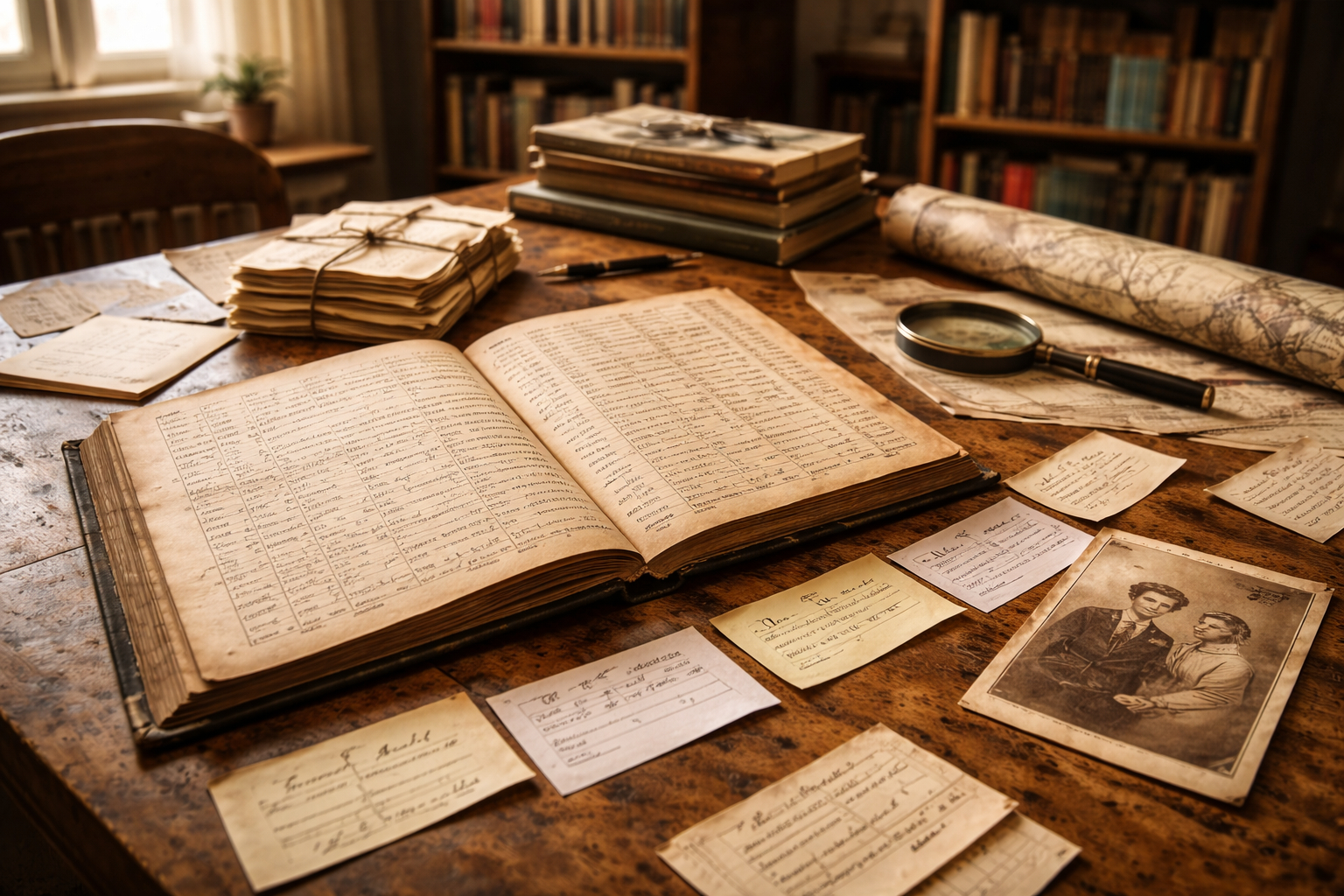
Uncovering the lives of overlooked historical figures offers rich insight into the past and fresh perspectives for today. Small archives, letters, and local records often hold the traces that larger narratives miss. Biographers who focus on these individuals must combine careful research with imaginative contextualization to reconstruct daily realities and motivations. This approach not only restores agency to forgotten people but also deepens our understanding of broader social and cultural shifts. In practice, telling such lives requires both methodological rigor and ethical sensitivity.

Early Life and Formation

Tracing an individual’s origins begins with fragmentary sources and uncertain dates, yet those parts can reveal patterns of family, work, and local networks. Parish registers, property records, and contemporary newspapers are often starting points that situate a person within economic and social landscapes. Oral histories and material culture can fill gaps when written records are sparse, but they must be corroborated and dated carefully. Cross-referencing these elements helps to avoid imposing later assumptions onto earlier lives. Attention to language, place names, and occupational terms can transform a handful of facts into a richer narrative.

Documenting formation emphasizes continuity and change across early years. It invites readers to see how private circumstances intersected with larger forces. Such framing makes later achievements or decisions intelligible.

Career and Key Achievements

Examining an individual’s career involves both public accomplishments and quieter forms of labor that shaped influence over time. Official records, correspondence, and organizational minutes often reveal networks of collaboration and rivalry. Interpreting achievements requires situating acts within institutional constraints and cultural expectations of the period. Biographers must be attentive to episodic successes and long-term strategies that do not fit neatly into reputational milestones. This broader lens reveals how practical choices and contingency produced what later observers called success.

Rescuing less visible work from obscurity broadens our sense of what counts as achievement. It also challenges singular narratives that privilege only headline events. Readers gain a more nuanced appreciation of historical agency.

Legacy and Interpretation

The ways a life is remembered depend on subsequent storytellers, archival survival, and shifting values, so legacy is often contested and partial. Monuments, citations in later works, and family lore create selective threads through which memory travels. Scholars can trace how reputations rose or fell by examining who cited the individual and on what grounds, as well as which records were preserved or discarded. Critical interpretation requires acknowledging biases in sources and remaining transparent about gaps and speculation. Ethical biography balances admiration or critique with cautious evidence-based claims.

A thoughtful account recognizes both tangible impacts and the silences that remain. It invites ongoing dialogue and further research. Ultimately, interpretation keeps the past alive and relevant.

Conclusion

Writing biographies of overlooked figures enriches historical understanding by illuminating hidden networks and everyday choices. Careful sourcing, contextualization, and ethical awareness are essential tools for such work. By telling these lives well, historians restore complexity and invite readers to reevaluate familiar narratives.

Previous Post

Everyday Lives in Early Industrial Towns Revealed

Next Post

Recovering Hidden Lives Through Careful Biographical Practice

Related Posts

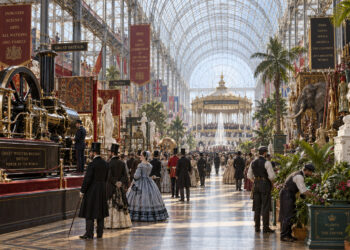
How the Crystal Palace Turned Glass and Iron into a Modern Stage
History

How the Crystal Palace Turned Glass and Iron into a Modern Stage

September 15, 2026
Anne Bonny: The Pirate Who Broke Rules and Expectations
History

Anne Bonny: The Pirate Who Broke Rules and Expectations

September 15, 2026
Mary Anning and the Coast That Revealed Lost Worlds
History

Mary Anning and the Coast That Revealed Lost Worlds

September 15, 2026
When Mount Pelée Erased Saint-Pierre, 1902
History

When Mount Pelée Erased Saint-Pierre, 1902

September 15, 2026
Next Post
Recovering Hidden Lives Through Careful Biographical Practice

Recovering Hidden Lives Through Careful Biographical Practice

Search..

No Result
View All Result

Recent Articles

The Disguise That Broke Chains: Ellen and William Craft

The Disguise That Broke Chains: Ellen and William Craft

September 15, 2026
Bass Reeves: The Marshal Who Hunted Outlaws in Indian Territory

Bass Reeves: The Marshal Who Hunted Outlaws in Indian Territory

September 15, 2026
How the Crystal Palace Turned Glass and Iron into a Modern Stage

How the Crystal Palace Turned Glass and Iron into a Modern Stage

September 15, 2026
Anne Bonny: The Pirate Who Broke Rules and Expectations

Anne Bonny: The Pirate Who Broke Rules and Expectations

September 15, 2026
How Haiti Broke Its Chains: A 1791–1804 Timeline

How Haiti Broke Its Chains: A 1791–1804 Timeline

September 15, 2026

Subscribe Us

By clicking submit, I authorize History Ours and its affiliated companies to: (1) use, sell, and share my information for marketing purposes, including cross-context behavioral advertising, as described in our Terms of Service and Privacy Policy, (2) supplement the information that I provide with additional information lawfully obtained from other sources, like demographic data from public sources, interests inferred from web page views, or other data relevant to what might interest me, like past purchase or location data, (3) contact me or enable others to contact me by email with offers for goods and services from any category at the email address provided, and (4) retain my information while I am engaging with marketing messages that I receive and for a reasonable amount of time thereafter. I understand I can opt out at any time through an email that I receive, or by clicking here

Subscribe To Our Newsletter

By clicking submit, I authorize History Ours and its affiliated companies to: (1) use, sell, and share my information for marketing purposes, including cross-context behavioral advertising, as described in our Terms of Service and Privacy Policy, (2) supplement the information that I provide with additional information lawfully obtained from other sources, like demographic data from public sources, interests inferred from web page views, or other data relevant to what might interest me, like past purchase or location data, (3) contact me or enable others to contact me by email with offers for goods and services from any category at the email address provided, and (4) retain my information while I am engaging with marketing messages that I receive and for a reasonable amount of time thereafter. I understand I can opt out at any time through an email that I receive, or by clicking here.

© 2026 History Ours | All Rights Reserved

  • Contact Us
  • Privacy Policy
  • Terms of Service
  • Unsubscribe
  • Privacy Choices
  • Contact Us
  • Privacy Policy
  • Terms of Service
  • Unsubscribe
  • Privacy Choices

© 2026 History Ours | All Rights Reserved

No Result
View All Result
  • Home
  • History
  • Biographies
  • Eras
  • Regions
  • Timeline

© 2026 History Ours | All Rights Reserved

Skip to content
Open toolbar Accessibility Tools

Accessibility Tools

  • Increase TextIncrease Text
  • Decrease TextDecrease Text
  • GrayscaleGrayscale
  • High ContrastHigh Contrast
  • Negative ContrastNegative Contrast
  • Light BackgroundLight Background
  • Links UnderlineLinks Underline
  • Readable FontReadable Font
  • Reset Reset