Propaganda is as old as power itself. Long before social media or political ads, rulers used art, architecture, and storytelling to shape public opinion. From the towering monuments of ancient Egypt to modern campaign speeches, the methods have evolved — but the message remains the same: influence perception to maintain authority.
The Pharaohs: Divine Authority and Eternal Rule
In ancient Egypt, propaganda was inseparable from divinity. Pharaohs portrayed themselves as gods on Earth, commissioning grand monuments like the Pyramids and temple carvings that displayed power and benevolence. Hieroglyphs and imagery told citizens that the ruler’s authority was sacred and eternal. By controlling art and language, pharaohs shaped a legacy of divine rule that endured for centuries.
Rome: The Birth of Political Imagery
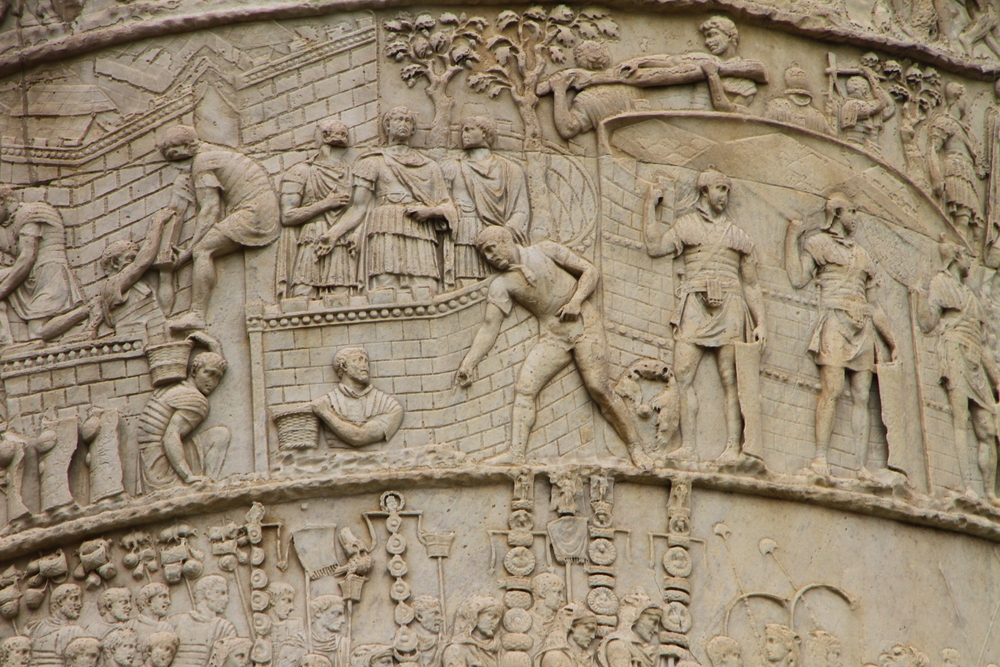
The Roman Empire elevated propaganda to an art form. Emperors like Augustus used statues, coins, and public architecture to project heroism, virtue, and divine favor. Every triumphal arch or engraved coin carried a subtle message of strength and unity. Through theater, festivals, and literature, Rome mastered the art of persuasion — controlling how citizens saw their leaders and their empire.
The Evolution into Modern Politics
Fast forward to today, and the tools may have changed, but the strategy hasn’t. Modern politicians use television, social media, and branding to craft their image. Campaign slogans, curated photographs, and press appearances function much like ancient sculptures and monuments — designed to build trust, admiration, and authority. The digital age has simply made propaganda faster, louder, and more personal.
Lessons from the Past
Understanding ancient propaganda helps decode modern political messaging. The same emotional triggers — pride, fear, loyalty — are still used to sway public opinion. From ancient temples to televised debates, the art of persuasion relies on symbols and storytelling that appeal to the human need for belonging and belief.
Conclusion
From pharaohs to presidents, propaganda has always been about more than power — it’s about narrative. Each era refines the craft, using its tools to win hearts, shape perception, and cement legacies. History teaches us that those who control the story often control the world.