
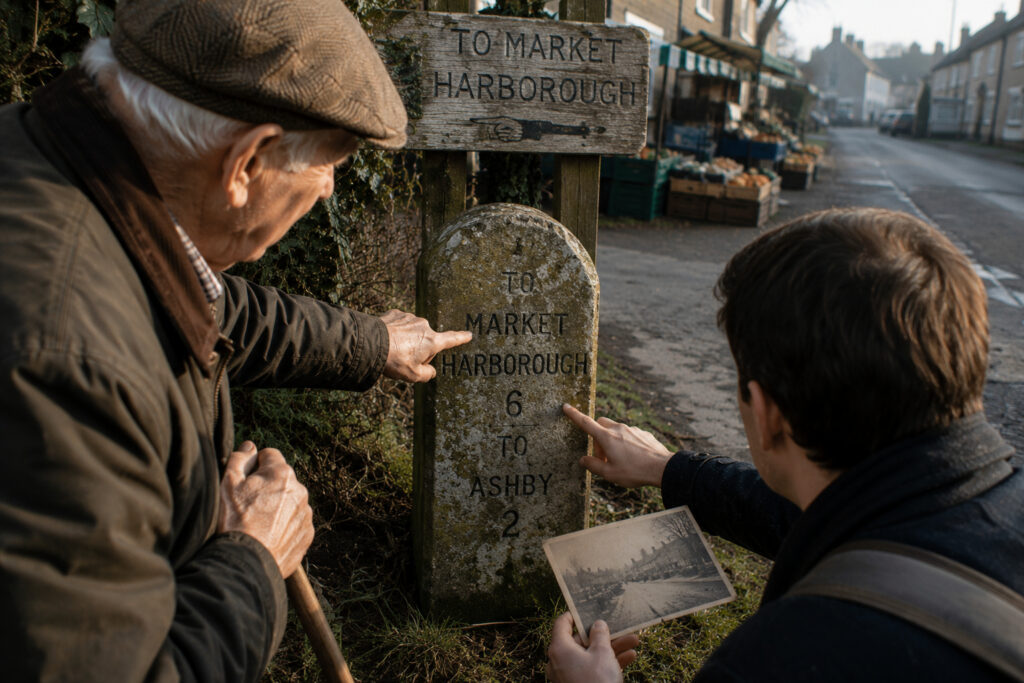
Regions are shaped as much by routine actions as by grand events.
Daily routes, markets, and meeting places accumulate meanings that outlast political change.
These ordinary sites become anchors for belonging, readable across generations.
Paying attention to the everyday reveals how regions endure and transform.
Roots in Routine
Regular practices in urban and rural settings — where people work, shop, pray or gather — establish rhythms that define a region’s character. Over time, these routines create expectations about space and social relations that newcomers learn to navigate. Historians can trace how repeated acts turn neutral places into landmarks of identity. Studying schedules, from market days to seasonal labor, reveals how continuity and change coexist. These practices also leave informal rules and vocabularies that shape conflict and cooperation.
Recognizing routine illuminates the durable patterns that stitch communities together. It also helps explain why some practices resist or adapt to external pressures. Understanding these layers helps planners and historians engage with local priorities.
Material Traces and Meaning
Built features and objects record choices and attachments in the landscape. Roads, wells, shops, and signage carry layered meanings that reflect epochs of investment and abandonment. Archaeological fragments and household inventories both speak to how material life shapes collective memory. Reading these traces requires attention to scale, from a village lane to a regional trade axis. Preserved photographs and maps further enrich how we read material evidence.
- Community hearths and cemeteries marking local continuity and rituals
- Market stalls and trade tokens indicating economic links
- Boundary stones, milestones, and signage that orient movement
Materials matter because they mediate daily experience and recall. They also anchor narratives that communities tell about themselves. Conservation and interpretation choices then influence which stories endure.
Networks and Movement
Mobility connects places, creating layered regional identities through exchange, migration, and diasporic ties. Routes of trade, pilgrimage, and seasonal work link distant localities into durable networks of practice. These networks make regions porous yet coherent, transmitting styles, institutions, and memories. Mapping movement patterns helps explain why cultural forms cluster across space. Seasonal returns and plural affiliations complicate simple territorial labels.
Attention to networks reframes regions as dynamic systems rather than static territories. It highlights how belonging is both local and relational. Policy and heritage work benefit from treating regions as relational fields of practice.
Conclusion
Everyday places and practices are the slow architects of regional identity.
Studying routines, material traces, and movement reveals the processes that anchor belonging.
This perspective foregrounds lived experience as essential to regional history.