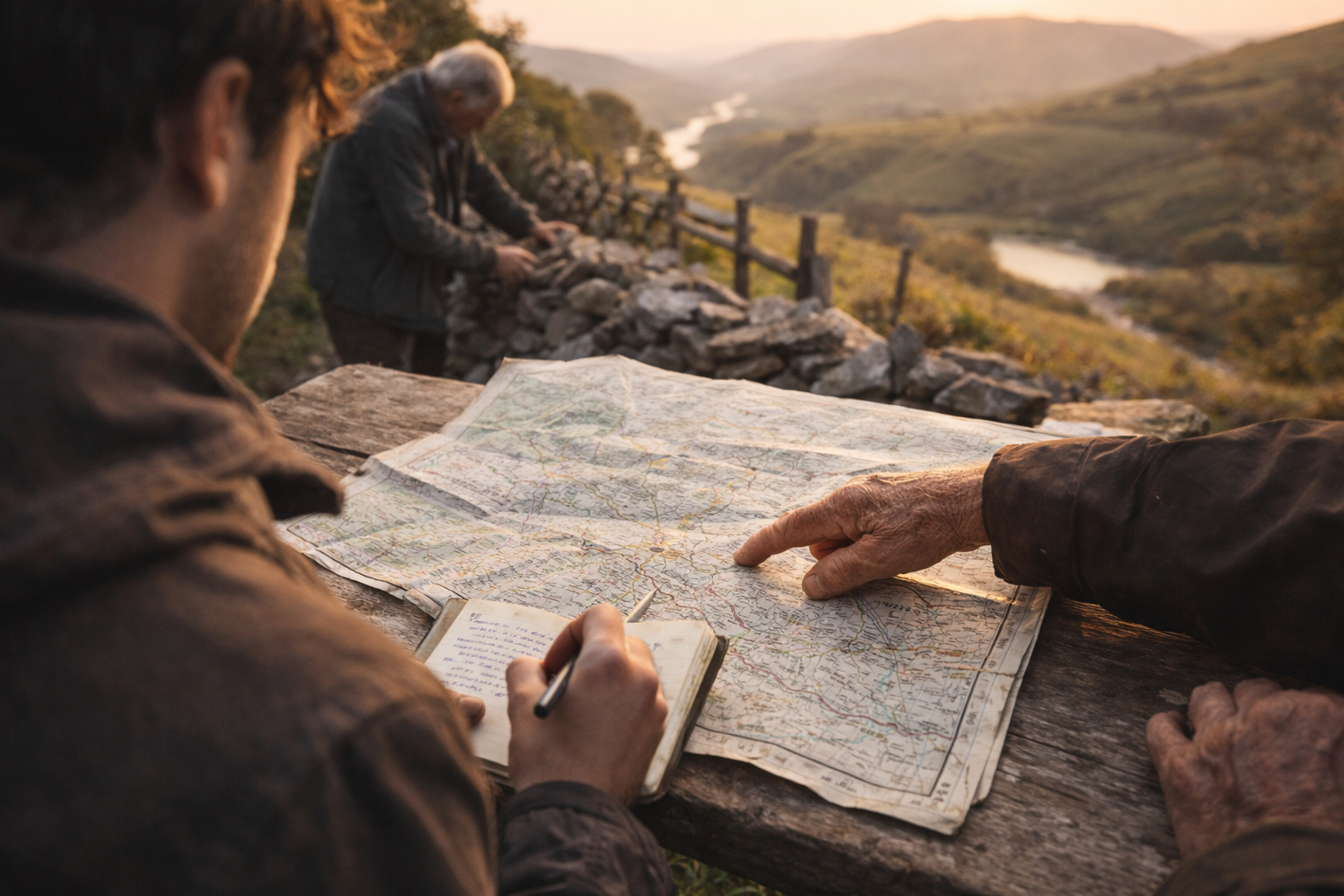
Regions form through countless small decisions, routines, and adjustments made by people living within shifting limits. Understanding a region means tracing how material practices, seasonal movements, and everyday stories accumulate into durable patterns. This essay outlines how landscapes, records, and communal rituals interact to shape regional memory and identity. It suggests practical approaches for researchers and engaged readers to read those layered traces.
Landscape and Everyday Practice
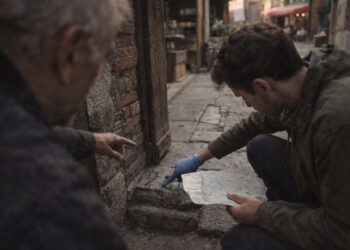
Physical terrain and human use are inseparable in the making of regional character. Paths, fields, workshops, and markets embed choices about labor, transport, and resource use that repeat over generations and create recognizable patterns. Natural features such as rivers or ridgelines influence settlement and exchange, while repairs and adaptations to those features reveal changing needs and technologies. Paying attention to the quotidian—where people bathe, trade, or bury the dead—uncovers routines that formal records often miss.
Those routines become useful markers when they persist across administrative changes or new boundaries. Observing how daily habits map onto land offers clues about long-term social networks and economic ties. Researchers can combine landscape observation with oral histories for a richer picture.
Archives, Maps and Institutional Traces
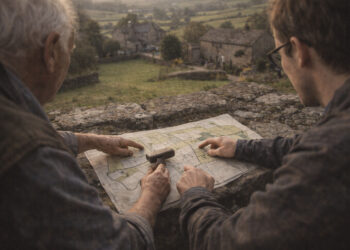
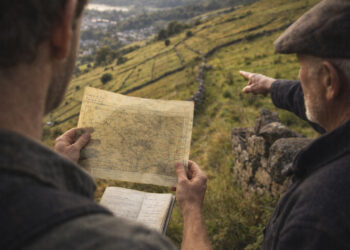
Official documents and maps register one kind of regional logic, usually focused on taxation, governance, or military control. These sources are indispensable but partial: they privilege what institutions deemed important and can erase informal continuities. Comparing archival maps with local accounts and material remains helps identify discrepancies and recover muted histories. Institutional traces are most revealing when placed in conversation with vernacular practices.
Cross-referencing disparate sources makes it possible to see how a place was represented and how residents responded. Such triangulation also highlights moments of negotiation when authorities attempted to reshape local life and when communities resisted or adapted.
Community Rituals and Material Remains
Festivals, rites of passage, and communal workdays consolidate belonging and transmit knowledge about place. These rituals often anchor stories about origin, loss, and belonging that persist even when maps are redrawn. Material culture—tools, building forms, and burial sites—preserves variations in taste, economy, and social structure that inform regional distinctiveness. Together, rituals and artifacts reveal how groups imagine and reproduce a shared terrain.
Documenting these practices ethically requires collaboration with local participants and sensitivity to living meanings. When scholars privilege community voices, the layered history of place becomes accessible and relevant to contemporary audiences.
Conclusion
Reading a region means attending to both durable patterns and fleeting practices. Combining landscape study, archival work, and community engagement yields a nuanced account of regional memory. This approach helps recover the everyday acts that make places meaningful over time.