
Uncover History’s Secrets with Daily Updates!
Daily News Entertainment
  • Home
  • History
  • Biographies
  • Eras
  • Regions
  • Timeline
No Result
View All Result
History Ours
  • Home
  • History
  • Biographies
  • Eras
  • Regions
  • Timeline
No Result
View All Result
History Ours
No Result
View All Result
Home Regions

Everyday Sites and the Shaping of Regional Memory

in Regions
Everyday Sites and the Shaping of Regional Memory

Regions are composed as much by ordinary routines and modest places as by celebrated monuments. This piece explores how everyday sites—markets, lanes, workshops, and homes—accumulate meanings over time. By attending to material traces and local practices we can chart how people remember, rehearse, and revise belonging. The aim is to offer approaches that help make regional history visible through the small-scale and often overlooked.

Material Traces and Everyday Life

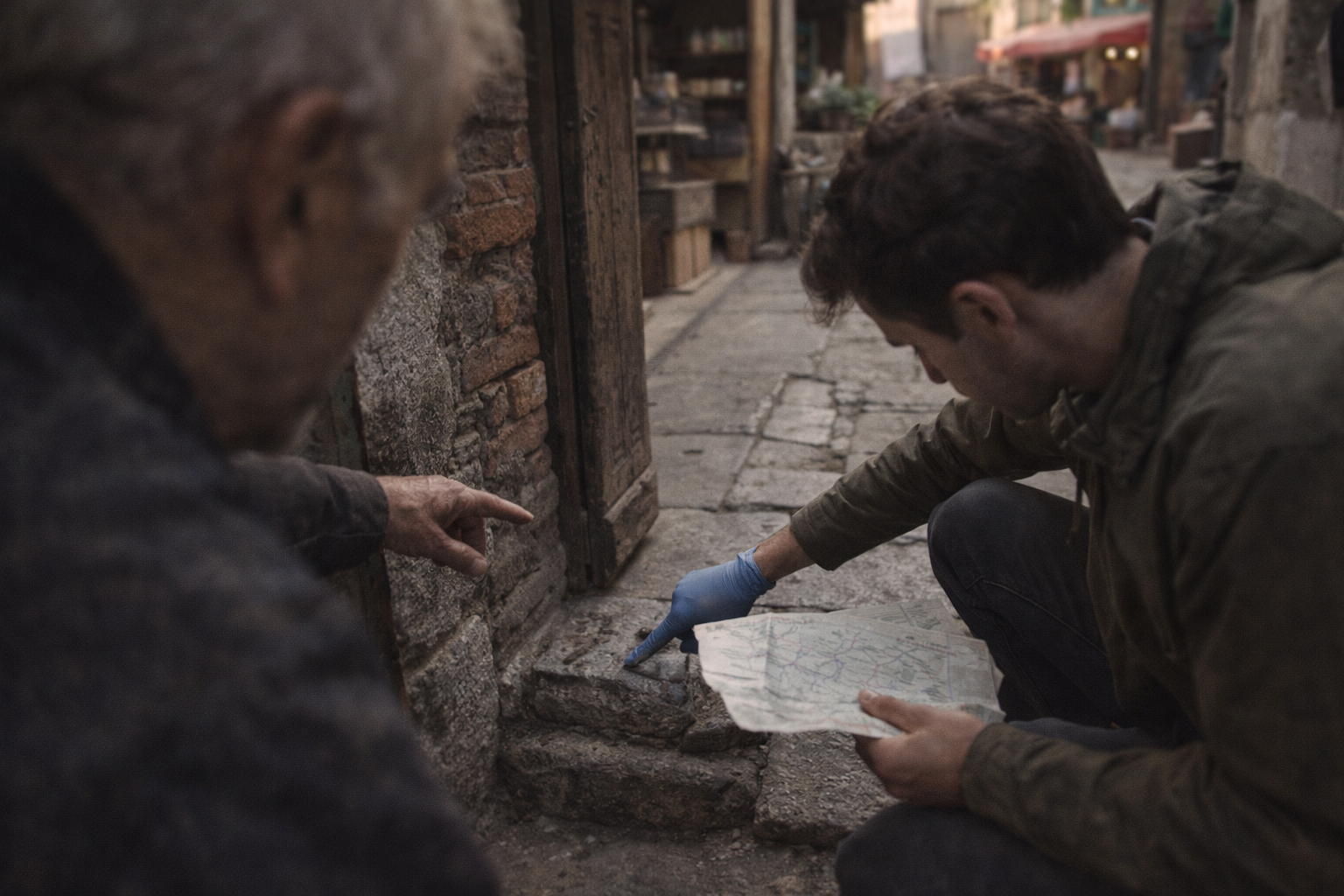
Objects and built fabrics record the rhythms of daily life in ways that formal documents rarely capture. A worn threshold, a repurposed warehouse, or the placement of a well can point to trade routes, social relations, and long-standing practices. These traces are layered: newer uses sit atop older ones, and each layer contributes to a region’s sense of continuity and change. Paying attention to these details reveals how communities adapted to economic shifts and environmental pressures.

Examining material traces also helps recover the experiences of people absent from elite archives. Craftspeople, tenants, and small-scale traders often leave tangible marks that can be read alongside texts. Together, these sources broaden the narrative of regional life.

Archives of Place and Practice

Local archives and oral accounts provide complementary pathways into regional memory. Records like tenancy rolls, map fragments, and neighborhood minutes focus attention on the institutions that shape daily routines. Oral histories add texture by connecting practices to personal memories and meanings, revealing why certain sites become significant over time. Combining documentary and oral sources creates a richer, more inclusive picture of regional pasts.

Methodologically, this demands patient cross-referencing and a willingness to work with partial evidence. It also invites collaboration with communities to surface forgotten knowledge and interpretive frameworks.

Interpreting Change in Local Landscapes

Understanding regional change requires attention to both continuity and rupture in landscapes. Industrial conversions, infrastructure projects, and migration can rapidly alter the uses and symbolic meanings of places. Yet everyday practices often adapt around these transformations, preserving elements of the past while accommodating new conditions. Recognizing this interplay helps historians explain how regions remain recognizable even as they evolve.

Analyses that track spatial patterns and lived experience together are especially effective. They show how policy, economy, and culture intersect at the scale of neighborhoods and workplaces.

Conclusion

Everyday sites carry layered stories that shape regional memory and identity. Attending to objects, practices, and local archives reveals how inhabitants make and remake place over time. This perspective enriches historical understanding and opens pathways for inclusive regional narratives.
Previous Post

Stacked Histories: How Places Accumulate Meaning

Next Post

Making Temporal Complexity Readable on Public Timelines

Related Posts

Trieste: A Port at the Edge of Empires
Regions

Trieste: A Port at the Edge of Empires

September 15, 2026
Svalbard: How a Frozen Archipelago Became an International Outpost
Regions

Svalbard: How a Frozen Archipelago Became an International Outpost

September 15, 2026
Orkney: Where Norse Law and Scottish Life Intertwined
Regions

Orkney: Where Norse Law and Scottish Life Intertwined

September 15, 2026
Inside the Covered Streets: The Grand Bazaar and Istanbul’s Life
Regions

Inside the Covered Streets: The Grand Bazaar and Istanbul’s Life

September 15, 2026
Next Post
Making Temporal Complexity Readable on Public Timelines

Making Temporal Complexity Readable on Public Timelines

Search..

No Result
View All Result

Recent Articles

The Disguise That Broke Chains: Ellen and William Craft

The Disguise That Broke Chains: Ellen and William Craft

September 15, 2026
Bass Reeves: The Marshal Who Hunted Outlaws in Indian Territory

Bass Reeves: The Marshal Who Hunted Outlaws in Indian Territory

September 15, 2026
How the Crystal Palace Turned Glass and Iron into a Modern Stage

How the Crystal Palace Turned Glass and Iron into a Modern Stage

September 15, 2026
Anne Bonny: The Pirate Who Broke Rules and Expectations

Anne Bonny: The Pirate Who Broke Rules and Expectations

September 15, 2026
How Haiti Broke Its Chains: A 1791–1804 Timeline

How Haiti Broke Its Chains: A 1791–1804 Timeline

September 15, 2026

Subscribe Us

By clicking submit, I authorize History Ours and its affiliated companies to: (1) use, sell, and share my information for marketing purposes, including cross-context behavioral advertising, as described in our Terms of Service and Privacy Policy, (2) supplement the information that I provide with additional information lawfully obtained from other sources, like demographic data from public sources, interests inferred from web page views, or other data relevant to what might interest me, like past purchase or location data, (3) contact me or enable others to contact me by email with offers for goods and services from any category at the email address provided, and (4) retain my information while I am engaging with marketing messages that I receive and for a reasonable amount of time thereafter. I understand I can opt out at any time through an email that I receive, or by clicking here

Subscribe To Our Newsletter

By clicking submit, I authorize History Ours and its affiliated companies to: (1) use, sell, and share my information for marketing purposes, including cross-context behavioral advertising, as described in our Terms of Service and Privacy Policy, (2) supplement the information that I provide with additional information lawfully obtained from other sources, like demographic data from public sources, interests inferred from web page views, or other data relevant to what might interest me, like past purchase or location data, (3) contact me or enable others to contact me by email with offers for goods and services from any category at the email address provided, and (4) retain my information while I am engaging with marketing messages that I receive and for a reasonable amount of time thereafter. I understand I can opt out at any time through an email that I receive, or by clicking here.

© 2026 History Ours | All Rights Reserved

  • Contact Us
  • Privacy Policy
  • Terms of Service
  • Unsubscribe
  • Privacy Choices
  • Contact Us
  • Privacy Policy
  • Terms of Service
  • Unsubscribe
  • Privacy Choices

© 2026 History Ours | All Rights Reserved

No Result
View All Result
  • Home
  • History
  • Biographies
  • Eras
  • Regions
  • Timeline

© 2026 History Ours | All Rights Reserved

Skip to content
Open toolbar Accessibility Tools

Accessibility Tools

  • Increase TextIncrease Text
  • Decrease TextDecrease Text
  • GrayscaleGrayscale
  • High ContrastHigh Contrast
  • Negative ContrastNegative Contrast
  • Light BackgroundLight Background
  • Links UnderlineLinks Underline
  • Readable FontReadable Font
  • Reset Reset