
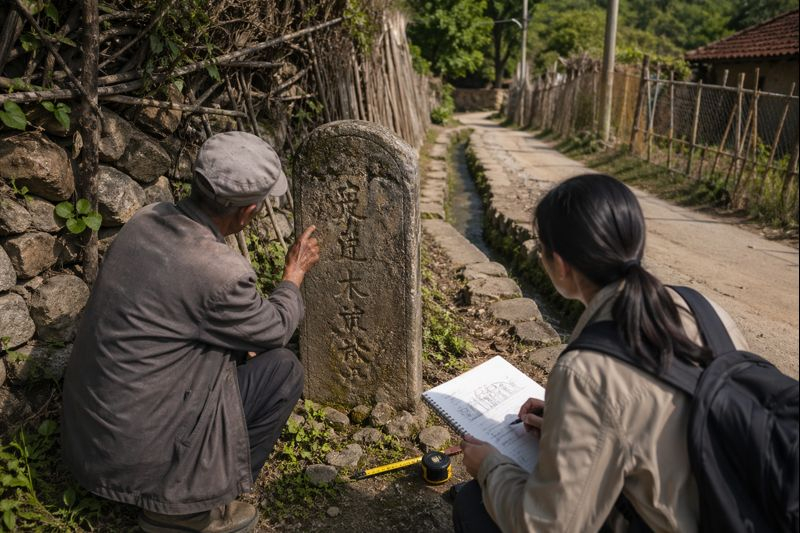
Places are made not only by spectacular events or grand institutions but by the everyday infrastructures people build, use, and maintain over generations. Roads, markets, wells, and small rituals weave durable patterns into the landscape and shape how communities interact. Paying attention to these ordinary structures reveals continuities and shifts that larger narratives often miss. This piece outlines how material networks, practices, and memory together form the long history of regions.
The Material Foundations of Regions
Material infrastructures—paths, canals, fences, and local workshops—create the skeleton of regional life. They enable trade, labor, and communication, and their placement often reflects older land uses and social orders. Over time, modest modifications accumulate and redirect flows of people and goods, producing distinct regional characters. Archaeological traces and archival maps can help reconstruct these layered networks and reveal unexpected connections.
Recognizing material foundations shifts focus from single dates to processes that unfold across decades. It encourages historians to read ordinary features as evidence of long-term adaptation and negotiation.
Everyday Practices and Local Networks
Daily routines—market bargaining, seasonal fairs, craft workshops, and communal labor—sustain local economies and social ties. These practices circulate knowledge and resources, knitting settlements into networks that transcend administrative boundaries. Oral histories and household records often preserve details about these routines that formal sources overlook. Studying these patterns highlights how ordinary people actively produce regional identity through repetition and innovation.
By tracing networks of exchange and patronage, researchers can map influence and resilience across a region. This approach brings marginalized actors and small-scale institutions into sharper historical focus.
Memory, Monuments, and Minor Sites
Collective memory attaches to both grand monuments and minor sites such as boundary stones, community wells, or old meeting places. These loci anchor narratives of belonging and contestation, and their meanings can shift with new generations. Local commemorations and informal landmarks often serve as repositories for contested histories and layered identities. Attention to small sites reveals how communities negotiate continuity amid change.
Combining material evidence with stories allows scholars to interpret how places are remembered and repurposed. Minor sites often prove surprisingly durable as carriers of regional meaning.
Methods for Studying Regional Histories
Effective regional study blends sources and scales: landscape archaeology, parish records, maps, oral testimony, and ethnographic observation. Comparative approaches across neighboring locales help locate distinctive features within broader patterns. Digital mapping and participatory research can also open new windows onto everyday infrastructures. Methodological plurality makes it possible to connect micro-histories to larger structural shifts.
Researchers should prioritize collaborative work with local communities to surface hidden archives and ensure interpretations reflect lived experience. Such partnerships enrich scholarship and public understanding alike.
Conclusion
Everyday infrastructures and routines shape regions as much as formal institutions. Attending to material networks, practices, and memory yields a richer account of place over time. This perspective invites scholars and communities to read landscapes as ongoing historical texts.