
Introduction
Regions carry complex histories that shape local identity and material culture. Traces of past settlements, trade routes, and governance systems often overlap across the same landscape. Reading these layers helps explain present-day patterns of language, architecture, and community practice. This article explores how historians and local communities interpret those evolving regional identities.
Historical Layers
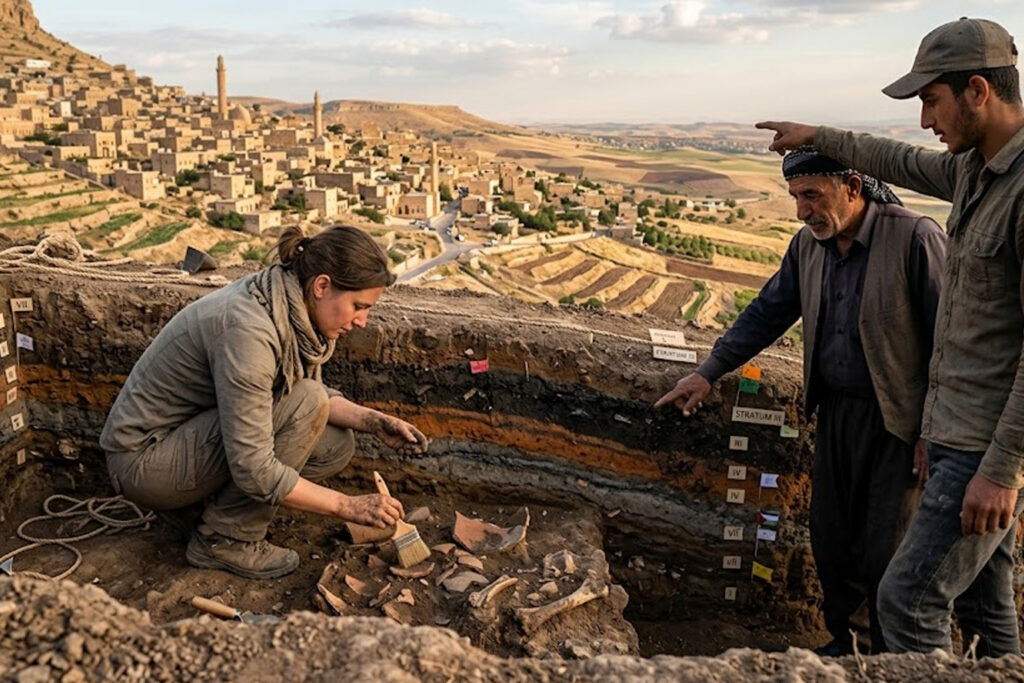
Archaeology, archival research, and oral history reveal successive layers of occupation and influence. Material remains like ceramics and road alignments mark older networks while documents record institutional changes. Recognizing palimpsests prevents simplistic narratives and highlights continuity as well as rupture. Scholars emphasize interaction zones where cultures merged rather than neat boundaries.
Interpreting layers requires cross-disciplinary evidence and a sensitivity to uneven records. This methodological attention yields a richer timeline of regional change.
Economic and Social Shifts
Economic transformations often reorganize regional life, from agrarian restructurings to industrial booms and service economies. Demographic shifts accompany those changes, altering settlement density and social stratification. Markets, transportation hubs, and resource extraction leave distinct signatures on the built and social environment. Understanding these patterns situates local histories within broader economic currents.
Analyses that link economy to everyday life reveal how people adapted institutions and traditions. These insights inform planners and cultural stewards balancing development and heritage.
Landscape and Built Environment
The physical terrain shapes human choices while human action reshapes that terrain in turn. Field systems, terracing, and urban street grids record long-term investments and environmental responses. Architectural styles and settlement layouts reflect climatic, material, and social considerations. Mapping these elements provides a tangible record of regional evolution.
Conservation efforts must account for functional history as well as aesthetic value. Recognizing layered alterations supports adaptive reuse and thoughtful preservation strategies.
Cultural Memory
Folklore, festivals, and place names encode collective memory and offer insight into past priorities and traumas. These intangible elements often survive where written archives are sparse and can guide interpretation of material evidence. Memory practices are contested and may be mobilized for identity politics or reconciliation. Studying them reveals how communities narrate continuity and change.
Engaging local voices ensures histories are not solely external constructions. Inclusive practice strengthens authenticity and community ownership of heritage.
Preserving Regional Narratives
Effective preservation balances scholarly research, community needs, and sustainable development. Digital tools and participatory mapping broaden access to regional stories and democratize interpretation. Education programs that link schools with local archives foster stewardship across generations. Policy frameworks should encourage adaptive approaches that respect both past and future uses.
Collaboration between historians, planners, and residents creates resilient narratives that can guide decision-making. Such strategies help regions navigate change without erasing meaningful layers.
Conclusion
Regions are living archives where material, social, and symbolic layers intersect. Paying attention to layered histories enriches how we value places and inform better stewardship. Thoughtful interpretation preserves complexity while supporting contemporary community aspirations.