
Introduction
Regional history reveals how places accumulate meaning over time through human activity, geography, and memory. Studying a region helps connect local stories to broader social, economic, and environmental processes. This article outlines practical ways to approach regional histories and highlights methods that illuminate local identity without losing sight of larger patterns. It is written for readers who want to explore how regions are shaped and remembered.
Historical Layers and Landscape
Every region carries visible and invisible layers: ancient land use, transportation corridors, settlement patterns, and economic infrastructures that persist or erode. Reading the landscape involves tracing those layers in maps, archives, and material remains to understand continuity and change. Geography shapes possibilities, while human choices reorder those constraints into culture and built form. Combining spatial evidence with documentary sources reveals how the environment and society co-produced regional character.
Interpreting landscape evidence requires patience and triangulation across sources to avoid simplistic conclusions. Researchers should test hypotheses against multiple kinds of data to build credible narratives about place.
Cultural Practices and Local Memory
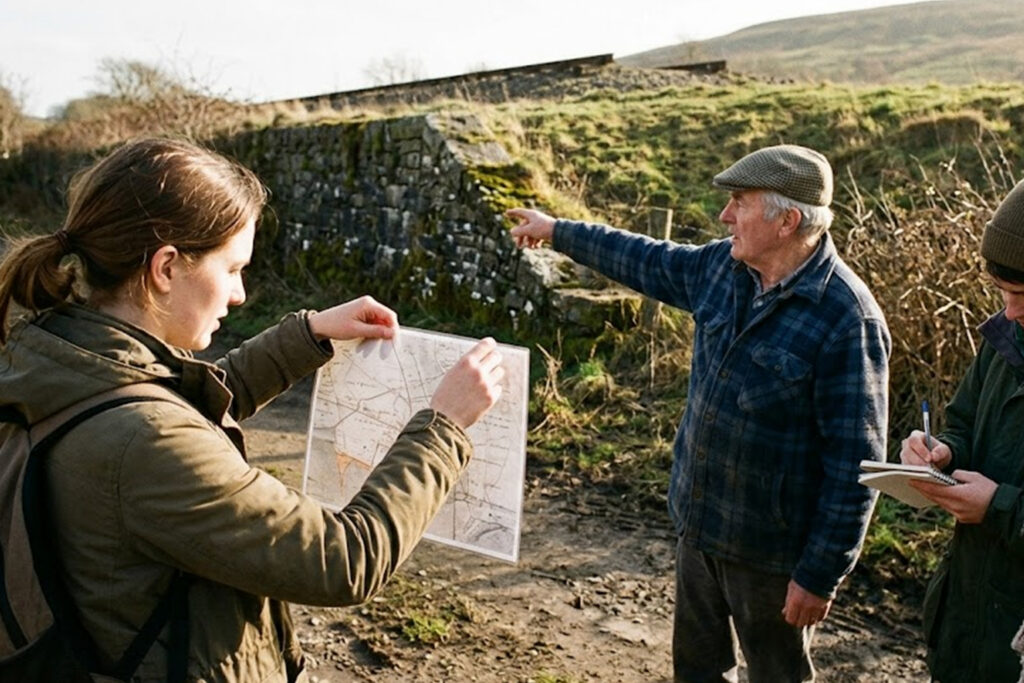
Cultural practices—festivals, dialects, craft traditions, and oral histories—are central to regional identity and often persist where formal records are scarce. Collecting oral testimony and local stories brings forward perspectives that official archives might overlook, especially those of marginalized communities. Attention to intangible heritage complements material evidence and highlights how people experience and narrate their region in everyday life. These practices show how memory is performed and transmitted across generations.
- Interview long-term residents to capture anecdotes and vernacular knowledge.
- Document rituals, foods, and crafts that mark seasonal or life-cycle events.
- Compare stories with archival records to identify shifts in meaning over time.
Working respectfully with communities is essential to preserve authenticity and avoid extracting narratives for outside agendas. Collaborative approaches produce richer, more ethical histories.
Preservation, Research Approaches, and Public Engagement
Preservation strategies for regional history balance conservation of tangible sites with stewardship of intangible traditions and archival collections. Researchers benefit from interdisciplinary methods: combining archaeology, oral history, cartography, and social history creates a fuller picture. Public engagement—through exhibitions, walking tours, and digital projects—translates research into accessible formats that invite local participation. Engaged scholarship helps ensure that regional histories remain living resources for residents and scholars alike.
Effective projects prioritize community priorities and seek sustainable ways to share knowledge. Practical collaborations can inspire policy support and broaden the audience for regional history.
Conclusion
Regional history is a layered practice that joins landscape, memory, and material culture into coherent narratives. By combining diverse methods and respecting community perspectives, researchers can reveal the complexity of place. Thoughtful preservation and public engagement ensure those histories remain meaningful and accessible.