
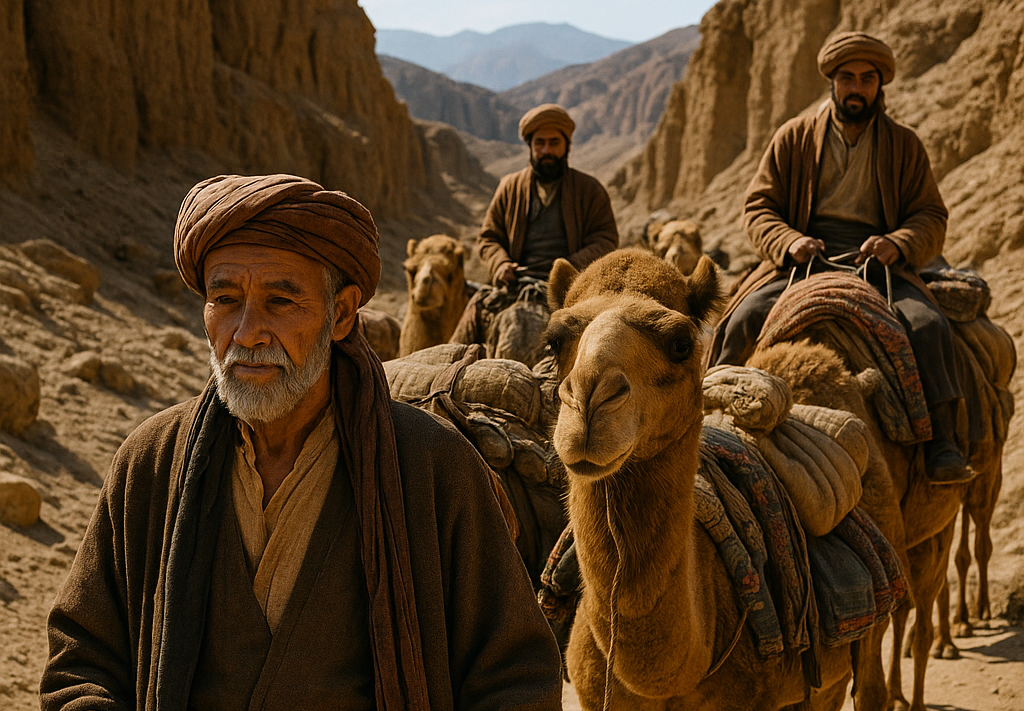
The Silk Road stands as one of the most influential trade networks in human history. Stretching thousands of miles across Asia, the Middle East, and Europe, it connected civilizations that might never have encountered one another. More than a route for exchanging goods, the Silk Road became a powerful catalyst for cultural transformation. Its legacy continues to shape global trade, diplomacy, and cultural understanding even today.
The story of the Silk Road is one of movements of ideas, beliefs, technologies, and people whose journeys changed the world.
A Network That Connected Civilizations
The Silk Road linked distant empires, from China to the Mediterranean, enabling a steady flow of silk, spices, metals, and precious stones. Traders, nomads, and travelers carried goods across deserts, mountains, and bustling caravan cities. This network did more than boost economics, fused cultures, making the world more interconnected long before the modern era.
Ideas, Knowledge, and Beliefs on the Move
Along with goods, the Silk Road transported ideas that shaped philosophy, religion, science, and art. Buddhism traveled from India into East Asia, Islamic science influenced Europe, and Chinese inventions such as paper transformed global communication. This cultural exchange made the Silk Road one of the earliest engines of globalization, showing how deeply trade and knowledge are intertwined.
Cities Transformed by Encounter and Exchange
Silk Road hubs like Samarkand, Kashgar, and Baghdad flourished as centers of learning, architecture, and innovation. Scholars, artisans, and merchants gathered in these cities, creating vibrant communities fueled by diversity. These crossroads of culture helped develop new artistic styles, culinary traditions, and scientific breakthroughs that still resonate today.
A Lasting Influence on Modern Trade and Culture
Though the original routes faded with time, the Silk Road’s impact continues. Modern trade corridors, diplomatic partnerships, and cultural festivals draw inspiration from its legacy. Its history reminds us of that openness, exchange, and cooperation that drives progress. The Silk Road stands as a timeless example of how connection can transform societies.
Conclusion
The Silk Road’s legacy is far greater than the goods it carried. It shaped civilizations, advanced knowledge, and built bridges between diverse cultures. Its history reminds us that trade is not just economic—it is a powerful force for transformation, unity, and shared human progress.