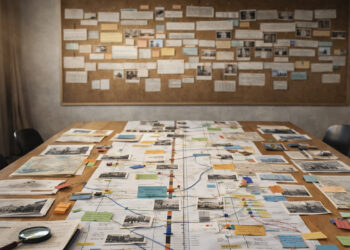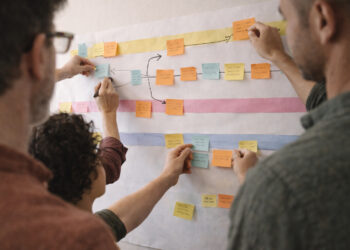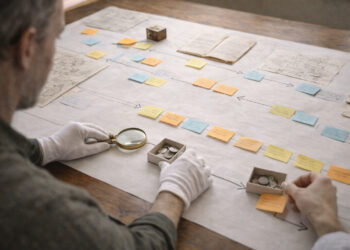

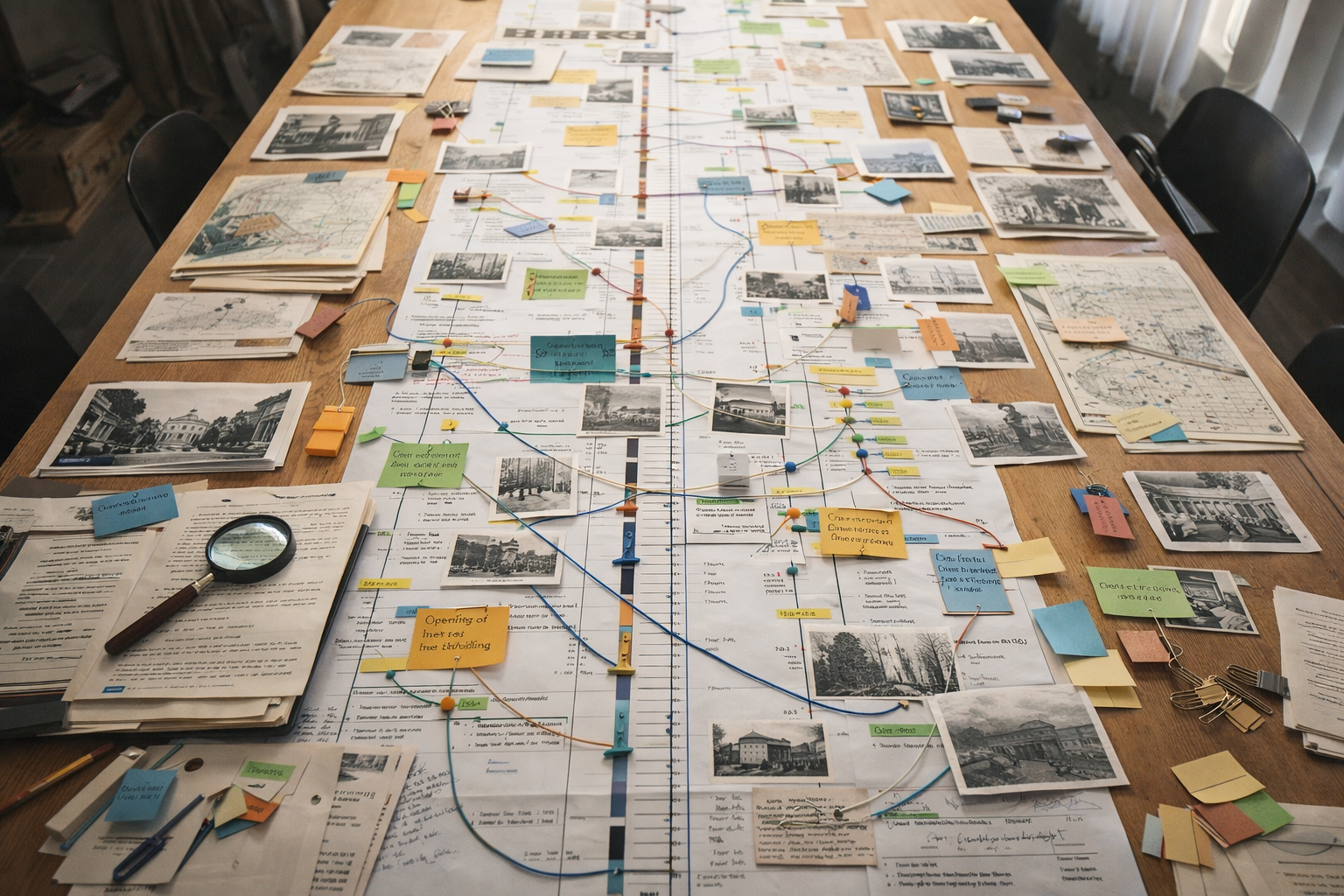
Timelines can turn complex history into clear stories for visitors.
A well-crafted timeline guides attention and invites exploration.
Design choices shape how people connect events and themes.
This article outlines practical steps to build interactive historical timelines.
Useable guidance helps curators, educators, and web teams collaborate.
Planning Principles
Start by defining the narrative scope and primary audience for a timeline. Decide whether the timeline emphasizes chronology, thematic strands, or biographical threads. Select key events that support the chosen focus and establish clear criteria for inclusion. Early decisions reduce clutter and ensure interpretive coherence. Include dates and locations to ground each event in place.
Document sources and attribution to maintain credibility. Set measurable goals for user engagement and accessibility. Share editorial guidelines with contributors to preserve consistency.
Visual Design and Accessibility
Choose a clear time scale and consistent visual language so users can read progression at a glance. Use color and typography to differentiate categories without overwhelming the narrative. Prioritize contrast, scalable text, and keyboard navigation to meet accessibility standards. Provide alternative text and simple summaries for screen reader users. Use consistent iconography to support quick scanning.
Test designs with diverse users to catch usability issues early. Iterate based on feedback and analytics. Document accessibility decisions for transparency.
Interactive Elements and Technology
Interactive features transform passive timelines into exploratory tools that reveal patterns. Include pan and zoom, filters by theme or location, and contextual pop-ups for deeper reading. Integrate media—images, audio, and short documents—to create multi-sensory connections. Ensure interactions degrade gracefully for users on slower devices. Provide narrative paths for users who prefer guided tours.
- Zoom, pan, and focus-on-demand to explore periods
- Filters, search, and linked storylines to surface relationships
Choose technologies that align with long-term maintenance capacity. Prefer modular tools and documented libraries to ease future updates. Monitor performance metrics to refine interactions.
Implementation and Maintenance
Build a content workflow that separates data, presentation, and metadata. Use structured formats like CSV or JSON for events and a lightweight CMS or version-controlled repository for updates. Establish quality-control checks, citation tracking, and a schedule for content reviews. Train staff or volunteers to add and vet entries consistently. Keep metadata fields consistent to support future analysis.
Plan for backups and exportable data to avoid lock-in. Schedule periodic usability testing and content refreshes. Review dependencies and update libraries as needed.
Conclusion
Good timelines balance narrative clarity, visual accessibility, and interactive depth.
They require upfront planning and ongoing maintenance to stay relevant.
Following practical design and technical practices will help timelines engage a broad audience.