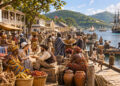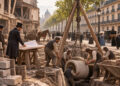

In the early 1900s Greenwood, a compact stretch of Tulsa, Oklahoma, prospered as one of the most successful Black business districts in the country. Known to contemporaries as “Black Wall Street,” its streets held banks, theaters, dentists, and bustling shops—evidence of a thriving, self-sufficient community in a segregated city.
Escalation: May 30–31, 1921
The immediate spark was an incident on May 30, 1921: a disturbance in a downtown elevator involving a 19-year-old Black man, Dick Rowland, and a white elevator operator, Sarah Page. News reports the next day inflamed a white audience and Rowland was arrested. As rumors and outrage spread, a crowd gathered at the courthouse on the afternoon of May 31. Black residents—some of them veterans—arrived to protect Rowland and to prevent a lynching. Tensions spiraled into gunfire; which side fired first remains disputed in contemporaneous accounts, but the confrontation quickly became a pretext for wider violence.
- May 30: Arrest of Dick Rowland after an elevator incident.
- May 31: Crowds confront courthouse; exchange of gunfire; violence moves toward Greenwood that evening.
- June 1: Large-scale attacks on Greenwood; fires spread; residents are driven from homes.
- Early June: Martial law imposed and National Guard stationed in Tulsa; survivors remain displaced.
Destruction and aftermath
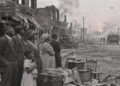
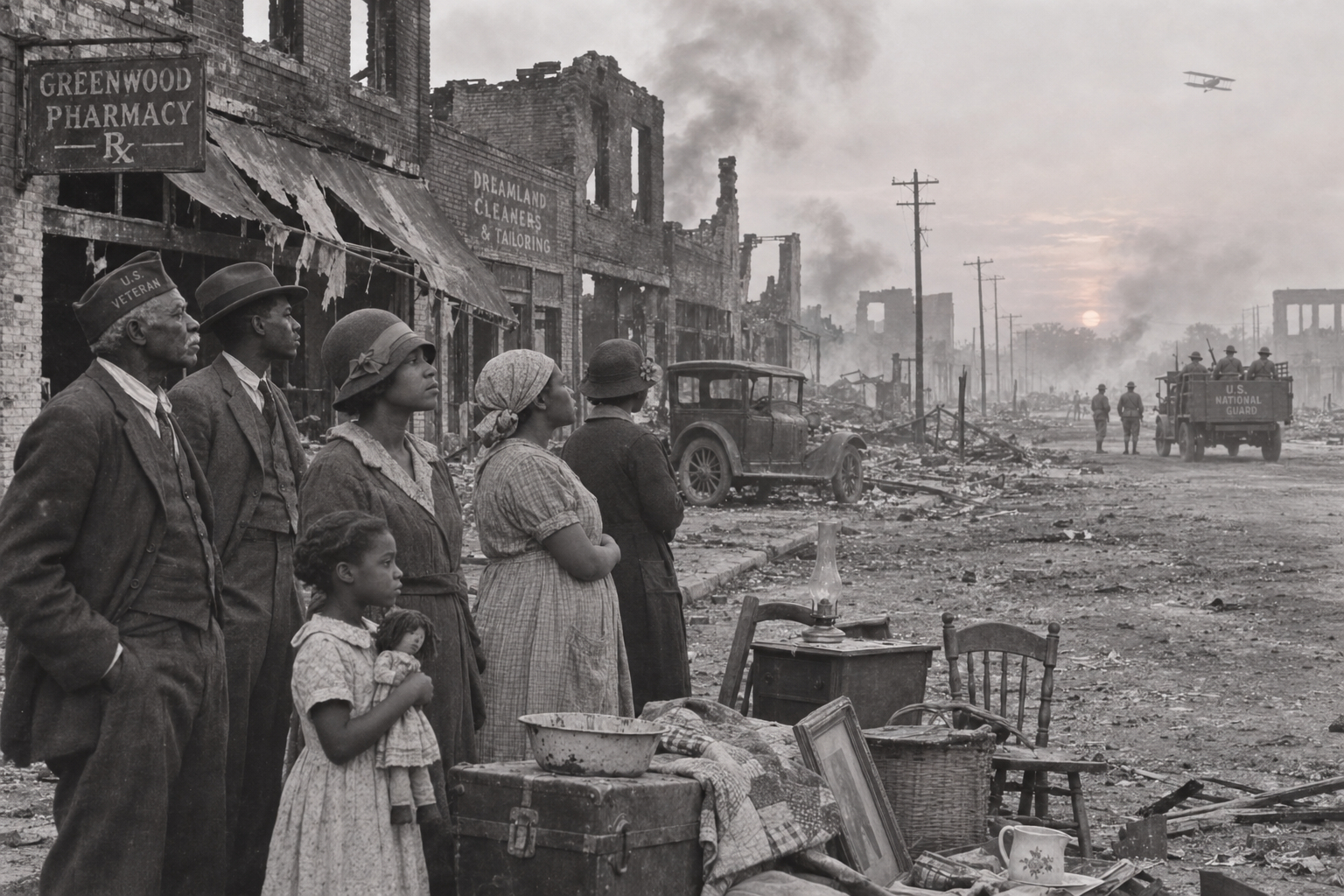
Over the night of May 31 into June 1, white mobs looted, burned, and attacked homes and businesses across Greenwood. Entire blocks were razed; survivors later described streets of ash and charred storefronts. Some eyewitnesses reported airplanes circling and firing on residents—accounts that historians treat cautiously but that underscore the scale and intensity of the assault.
Authorities eventually imposed martial law and the National Guard restored a measure of order, but by then thousands of Black Tulsans were homeless and hundreds of businesses and homes lay in ruins. Hospitals, schools, and churches were destroyed or damaged. Recovery was slow and many survivors received little official assistance.
Conclusion
For decades the massacre received scant attention in textbooks and official records. The city’s initial death toll—small and contested—stood alongside oral histories and family memories that suggested a far heavier human cost. Renewed research and a 2001 Oklahoma commission investigated the events, documenting the destruction and recommending reparative measures. In the decades since, public memorials, scholarship, and the centennial remembrance in 2021 have pushed the story into broader awareness.
The Tulsa Race Massacre remains a striking reminder of how quickly prosperity and safety can be overturned by violence, and how long societies can take to reckon with those losses. Remembering the timeline—day by day—keeps the lived experience of Greenwood’s residents in view, not just the facts of the blaze but the people who rebuilt afterward under difficult conditions.