
Uncover History’s Secrets with Daily Updates!
Daily News Entertainment
  • Home
  • History
  • Biographies
  • Eras
  • Regions
  • Timeline
No Result
View All Result
History Ours
  • Home
  • History
  • Biographies
  • Eras
  • Regions
  • Timeline
No Result
View All Result
History Ours
No Result
View All Result
Home History

How Neighborhood Stories Shape Our Shared Past

in History
How Neighborhood Stories Shape Our Shared Past

Introduction

Local history is not only about dates and famous events; it lives in the stories people tell across generations. Everyday recollections, landmarks, and rituals help communities make sense of their collective past. By paying attention to small archives and oral traditions, we can recover perspectives often absent from official records. This article explores practical ways neighborhoods keep memory alive and why that matters for a richer, more inclusive understanding of history.

Everyday Places as Memory Anchors

Streets, parks, storefronts, and houses act as physical anchors for stories that define a community. These places accumulate layers of meaning as people associate them with personal milestones, local businesses, or public gatherings. When built environments change, those associations can be lost unless actively recorded and interpreted. Recognizing the historical value of ordinary places expands what counts as heritage beyond monumental sites.

Preserving place-based memories does not require large budgets; it can start with mapping visits, photographs, and short personal accounts. Such grassroots efforts make local history visible and accessible to wider audiences.

Oral Histories and Informal Archives

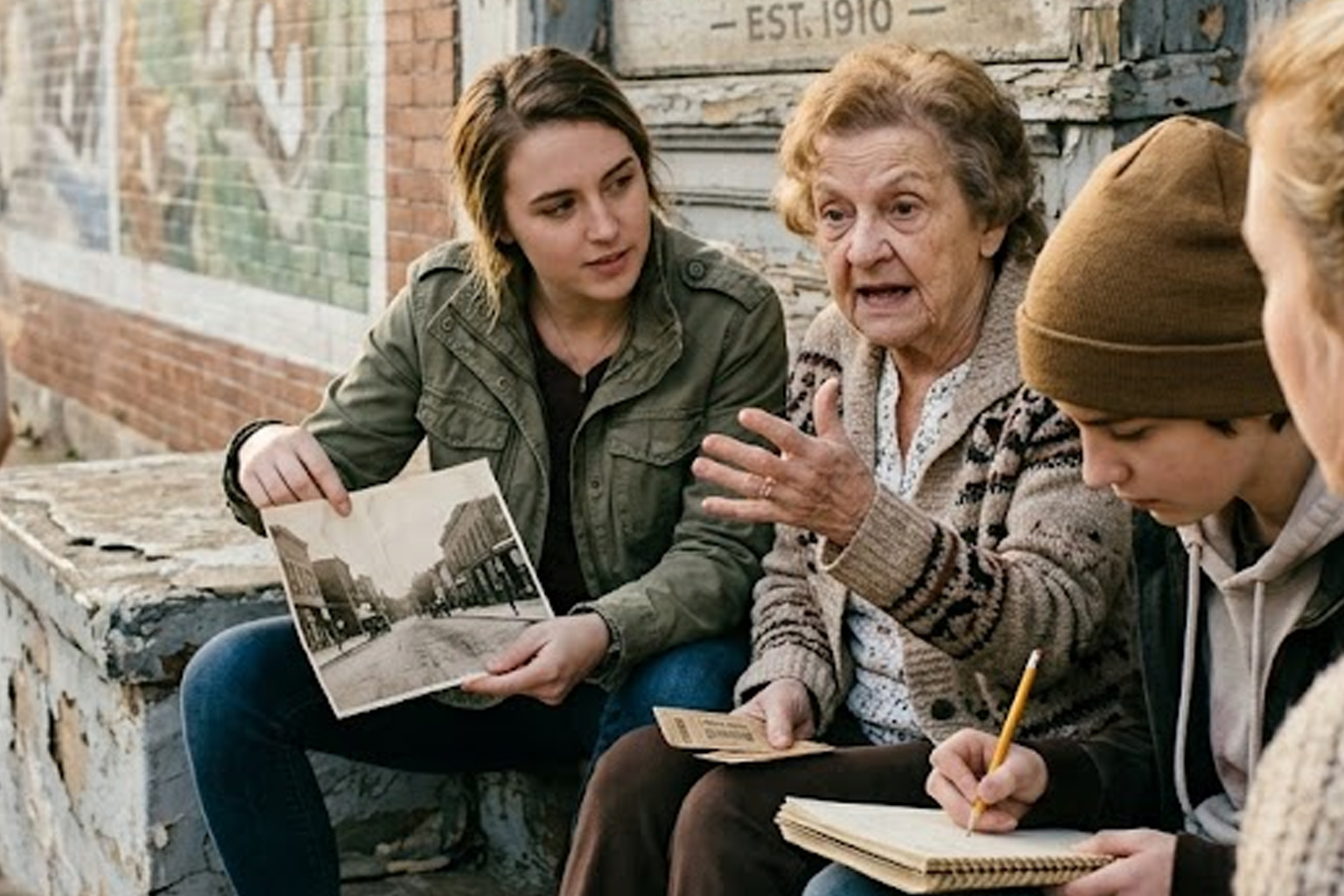
Oral histories capture nuance, emotion, and everyday detail that written records often miss. Conversations with elders, longtime residents, and community workers reveal practices, dialects, and small changes in daily life that shape broader historical trends. Recording these testimonies and organizing them into informal archives ensures that diverse voices are kept for future research and teaching. Community collections can include audio files, scanned memorabilia, or curated story summaries linked to specific places.

  • Reach out to neighbors with simple interview prompts.
  • Use free tools to digitize photos and tapes.
  • Create searchable indexes to help others find stories.

Even a modest collection offers scholars and residents a richer palette for understanding local change over time. These materials often inspire further research and collaboration within the community.

Designing Inclusive Local Memory

Creating inclusive memory projects means inviting a range of contributors and treating everyday knowledge as valuable historical evidence. Schools, libraries, and community centers can host storytelling workshops, memory-mapping events, and exhibits that highlight ordinary lives. Attention to accessibility and multilingual resources helps ensure that memory work reaches people of different ages and backgrounds. Inclusivity also requires reflecting on whose stories have been overlooked and actively seeking them out.

By centering diverse experiences, communities build shared narratives that are both honest and resilient. Inclusive memory practices strengthen civic ties and encourage ongoing stewardship of local history.

Conclusion

Every neighborhood holds layers of history embedded in places, voices, and routines that formal archives may miss. Small-scale projects like oral histories and community mapping make those layers visible and useful. Investing time in everyday memory-building enriches our collective past and fosters a more inclusive sense of belonging.

Previous Post

Hidden Threads: How Everyday Objects Tell Local Histories

Next Post

A Quiet Biographer of Institutional Change and Memory

Related Posts

Anne Bonny: The Pirate Who Broke Rules and Expectations
History

Anne Bonny: The Pirate Who Broke Rules and Expectations

September 15, 2026
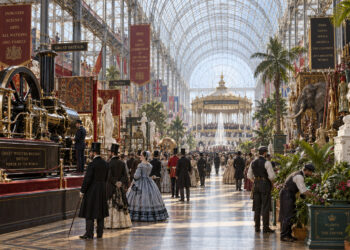
How the Crystal Palace Turned Glass and Iron into a Modern Stage
History

How the Crystal Palace Turned Glass and Iron into a Modern Stage

September 15, 2026
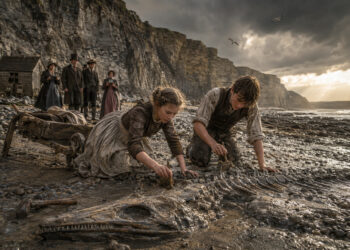
Mary Anning and the Coast That Revealed Lost Worlds
History

Mary Anning and the Coast That Revealed Lost Worlds

September 15, 2026
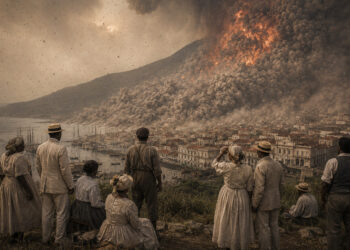
When Mount Pelée Erased Saint-Pierre, 1902
History

When Mount Pelée Erased Saint-Pierre, 1902

September 15, 2026
Next Post
A Quiet Biographer of Institutional Change and Memory

A Quiet Biographer of Institutional Change and Memory

Search..

No Result
View All Result

Recent Articles

The Disguise That Broke Chains: Ellen and William Craft

The Disguise That Broke Chains: Ellen and William Craft

September 15, 2026
Bass Reeves: The Marshal Who Hunted Outlaws in Indian Territory

Bass Reeves: The Marshal Who Hunted Outlaws in Indian Territory

September 15, 2026
How the Crystal Palace Turned Glass and Iron into a Modern Stage

How the Crystal Palace Turned Glass and Iron into a Modern Stage

September 15, 2026
Anne Bonny: The Pirate Who Broke Rules and Expectations

Anne Bonny: The Pirate Who Broke Rules and Expectations

September 15, 2026
How Haiti Broke Its Chains: A 1791–1804 Timeline

How Haiti Broke Its Chains: A 1791–1804 Timeline

September 15, 2026

Subscribe Us

By clicking submit, I authorize History Ours and its affiliated companies to: (1) use, sell, and share my information for marketing purposes, including cross-context behavioral advertising, as described in our Terms of Service and Privacy Policy, (2) supplement the information that I provide with additional information lawfully obtained from other sources, like demographic data from public sources, interests inferred from web page views, or other data relevant to what might interest me, like past purchase or location data, (3) contact me or enable others to contact me by email with offers for goods and services from any category at the email address provided, and (4) retain my information while I am engaging with marketing messages that I receive and for a reasonable amount of time thereafter. I understand I can opt out at any time through an email that I receive, or by clicking here

Subscribe To Our Newsletter

By clicking submit, I authorize History Ours and its affiliated companies to: (1) use, sell, and share my information for marketing purposes, including cross-context behavioral advertising, as described in our Terms of Service and Privacy Policy, (2) supplement the information that I provide with additional information lawfully obtained from other sources, like demographic data from public sources, interests inferred from web page views, or other data relevant to what might interest me, like past purchase or location data, (3) contact me or enable others to contact me by email with offers for goods and services from any category at the email address provided, and (4) retain my information while I am engaging with marketing messages that I receive and for a reasonable amount of time thereafter. I understand I can opt out at any time through an email that I receive, or by clicking here.

© 2026 History Ours | All Rights Reserved

  • Contact Us
  • Privacy Policy
  • Terms of Service
  • Unsubscribe
  • Privacy Choices
  • Contact Us
  • Privacy Policy
  • Terms of Service
  • Unsubscribe
  • Privacy Choices

© 2026 History Ours | All Rights Reserved

No Result
View All Result
  • Home
  • History
  • Biographies
  • Eras
  • Regions
  • Timeline

© 2026 History Ours | All Rights Reserved

Skip to content
Open toolbar Accessibility Tools

Accessibility Tools

  • Increase TextIncrease Text
  • Decrease TextDecrease Text
  • GrayscaleGrayscale
  • High ContrastHigh Contrast
  • Negative ContrastNegative Contrast
  • Light BackgroundLight Background
  • Links UnderlineLinks Underline
  • Readable FontReadable Font
  • Reset Reset