Uncover History’s Secrets with Daily Updates!
Daily News Entertainment
  • Home
  • History
  • Biographies
  • Eras
  • Regions
  • Timeline
No Result
View All Result
History Ours
  • Home
  • History
  • Biographies
  • Eras
  • Regions
  • Timeline
No Result
View All Result
History Ours
No Result
View All Result
Home Biographies

Approaching Marginal Lives: Strategies for Ethical Biography

in Biographies
Approaching Marginal Lives: Strategies for Ethical Biography

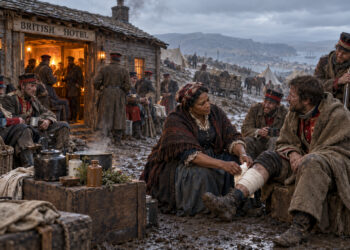
Biographers working with marginal or fragmentary sources face distinct challenges in reconstructing lives that feel both honest and vivid. The work requires careful balancing of evidence, context, and restraint to avoid speculation while still producing a readable narrative. This article outlines practical research habits, narrative techniques, and ethical considerations for short biographies drawn from limited records. The goal is to provide concrete steps that make life portraits credible, respectful, and useful to readers and researchers alike.

Researching Marginal Lives

Begin by widening the search beyond obvious documents: look for institutional records, newspaper mentions, maps, and related family files that can create a web of context around a scarce core. Use prosopographical methods to identify patterns in occupations, migration, or social networks that illuminate likely experiences. Oral histories, community archives, and material culture can supply details absent from official archives, but each must be checked and cross-referenced. Keep meticulous notes on source provenance and what each piece of evidence actually supports.

When evidence is thin, transparency about gaps increases trust. Present alternate readings and explain why some possibilities are more likely than others.

Weaving Context Without Overclaiming

Contextualization is essential: placing an individual within known social, economic, and institutional frameworks helps readers understand choices and constraints. Avoid substituting general trends for evidence of an individual’s inner life; resist psychological speculation unless supported by records. Use analogues—contemporary diaries, regulations, or similar case studies—to suggest plausible routines or pressures, while clearly separating those inferences from documented facts. Signal degrees of certainty so readers can see where narrative blends with interpretation.

Explicitly label conjecture and provide citations for context sources. This practice preserves the subject’s integrity and clarifies the historian’s role.

Ethics and Empathy in Narrative

Strive for empathy without editorializing: humane language honors subjects without imposing modern judgments or diminishing complexity. Consult descendant communities or stakeholders when dealing with sensitive material and be attentive to how publication might affect living persons. Consider the power dynamics in storytelling—who benefits from the biography and whose perspectives are missing—and address those absences candidly. Editorial choices about emphasis, omission, and headline facts shape public memory and require deliberate ethical thinking.

Respectful biographies foreground evidence and acknowledge silences. Practicing humility about conclusions fosters responsible history writing.

Conclusion

Writing lives from sparse records is a disciplined exercise in evidence, context, and ethical judgment. By documenting choices, signaling uncertainty, and engaging respectfully with sources and communities, biographers can produce work that is both credible and humane. These practices help ensure marginal lives are represented with accuracy and care.

Previous Post

Routes, Routines, and Community on Historic Market Streets

Next Post

Methods for Giving Voice to Neglected Life Stories

Related Posts

Mary Seacole: The Jamaican Nurse Who Went to War
Biographies

Mary Seacole: The Jamaican Nurse Who Went to War

October 30, 2026
Ada Lovelace: The Poet Who Helped Imagine Modern Computers
Biographies

Ada Lovelace: The Poet Who Helped Imagine Modern Computers

October 30, 2026
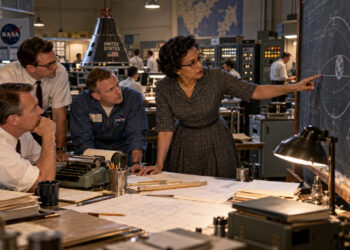
Katherine Johnson: The Numbers Behind America’s First Orbits
Biographies

Katherine Johnson: The Numbers Behind America’s First Orbits

October 25, 2026
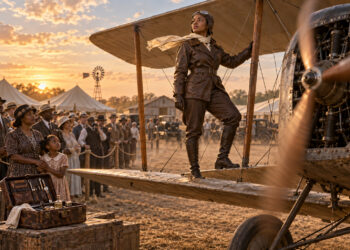
Bessie Coleman: How a Texan Manicurist Conquered the Skies
Biographies

Bessie Coleman: How a Texan Manicurist Conquered the Skies

October 25, 2026
Next Post
Methods for Giving Voice to Neglected Life Stories

Methods for Giving Voice to Neglected Life Stories

Search..

No Result
View All Result

Recent Articles

The Salon Era: How Conversation Shaped the Enlightenment

The Salon Era: How Conversation Shaped the Enlightenment

October 31, 2026
Tenement New York: Life in Vertical Slums, 1870–1910

Tenement New York: Life in Vertical Slums, 1870–1910

October 31, 2026
Mary Seacole: The Jamaican Nurse Who Went to War

Mary Seacole: The Jamaican Nurse Who Went to War

October 30, 2026
Ada Lovelace: The Poet Who Helped Imagine Modern Computers

Ada Lovelace: The Poet Who Helped Imagine Modern Computers

October 30, 2026
John Snow, the Broad Street Pump, and Cholera’s Fall

John Snow, the Broad Street Pump, and Cholera’s Fall

October 29, 2026

Subscribe Us

By clicking submit, I authorize History Ours and its affiliated companies to: (1) use, sell, and share my information for marketing purposes, including cross-context behavioral advertising, as described in our Terms of Service and Privacy Policy, (2) supplement the information that I provide with additional information lawfully obtained from other sources, like demographic data from public sources, interests inferred from web page views, or other data relevant to what might interest me, like past purchase or location data, (3) contact me or enable others to contact me by email with offers for goods and services from any category at the email address provided, and (4) retain my information while I am engaging with marketing messages that I receive and for a reasonable amount of time thereafter. I understand I can opt out at any time through an email that I receive, or by clicking here

Subscribe To Our Newsletter

By clicking submit, I authorize History Ours and its affiliated companies to: (1) use, sell, and share my information for marketing purposes, including cross-context behavioral advertising, as described in our Terms of Service and Privacy Policy, (2) supplement the information that I provide with additional information lawfully obtained from other sources, like demographic data from public sources, interests inferred from web page views, or other data relevant to what might interest me, like past purchase or location data, (3) contact me or enable others to contact me by email with offers for goods and services from any category at the email address provided, and (4) retain my information while I am engaging with marketing messages that I receive and for a reasonable amount of time thereafter. I understand I can opt out at any time through an email that I receive, or by clicking here.

© 2026 History Ours | All Rights Reserved

  • Contact Us
  • Privacy Policy
  • Terms of Service
  • Unsubscribe
  • Privacy Choices
  • Contact Us
  • Privacy Policy
  • Terms of Service
  • Unsubscribe
  • Privacy Choices

© 2026 History Ours | All Rights Reserved

No Result
View All Result
  • Home
  • History
  • Biographies
  • Eras
  • Regions
  • Timeline

© 2026 History Ours | All Rights Reserved

Skip to content
Open toolbar Accessibility Tools

Accessibility Tools

  • Increase TextIncrease Text
  • Decrease TextDecrease Text
  • GrayscaleGrayscale
  • High ContrastHigh Contrast
  • Negative ContrastNegative Contrast
  • Light BackgroundLight Background
  • Links UnderlineLinks Underline
  • Readable FontReadable Font
  • Reset Reset