Uncover History’s Secrets with Daily Updates!
Daily News Entertainment
  • Home
  • History
  • Biographies
  • Eras
  • Regions
  • Timeline
No Result
View All Result
History Ours
  • Home
  • History
  • Biographies
  • Eras
  • Regions
  • Timeline
No Result
View All Result
History Ours
No Result
View All Result
Home Biographies

Biographical Practice: Ethical Research and Narrative Techniques

in Biographies
Biographical Practice: Ethical Research and Narrative Techniques

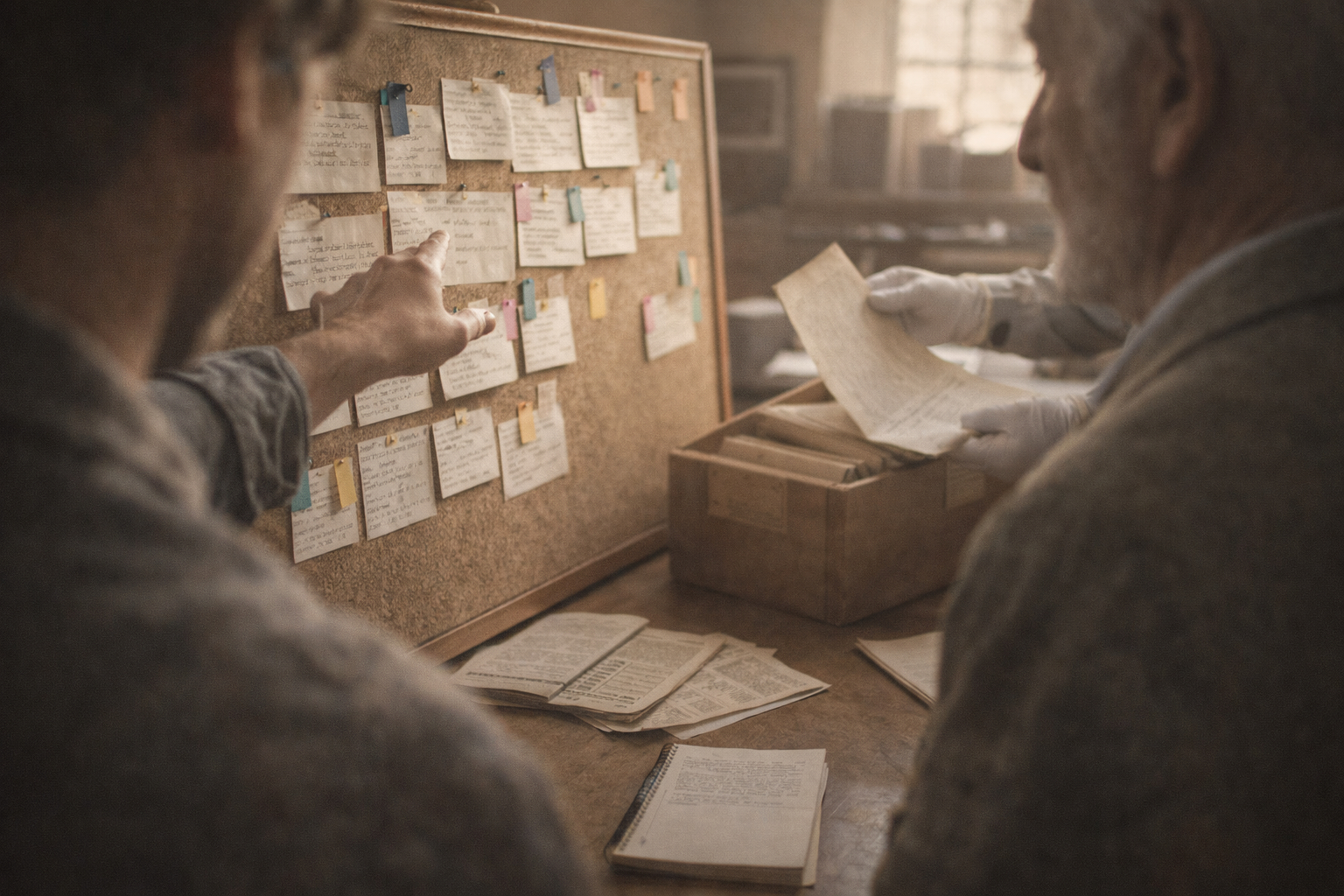
Good biographical practice begins with clear questions about purpose and audience, and a plan for ethical research.
Researchers must balance curiosity with respect for the subject and the people who survive them, acknowledging that memory and feeling shape accounts.
Careful sourcing, transparent interpretation, and humility about gaps are central to the craft and to building trust.
This article outlines practical, ethical steps and narrative techniques for biographers working with varied records and fragmentary evidence.

Foundations of Responsible Research

Begin by mapping available sources and assessing their provenance and bias. Create a chronology to anchor fragmentary facts and flag inconsistencies as you go. Establishing what you do not know is as important as cataloguing facts, because omission shapes interpretation. Where possible, seek permission or guidance from descendants and communities connected to the subject. Consent and sensitivity should inform choices about disclosure and tone.

Document your search process so readers understand derivations and gaps. Use footnotes, archives lists, and transparent apparatus to make the research replicable. Note uncertainties rather than smoothing them into false certainties.

Balancing Evidence and Story

A compelling biography conveys narrative shape without inventing detail. Use context to explain actions, citing social, economic, and institutional factors that constrained choices. Interpretations belong to the reader when they are presented with evidence and alternative readings. When interpretation is necessary, flag it clearly and discuss plausible alternatives rather than asserting single motives. Keep a compact interpretive thread so the reader can follow judgment calls you make.

Economize on drama and prioritize plausibility to sustain credibility. Balance storytelling craft with critical evidence assessment. Readers reward careful argument more than flourish.

Practical Techniques for Sparse Records

Sparse records require triangulation: combine official documents, newspapers, material culture, oral histories, and local studies to build a fuller picture. Read silences and absences as evidence in their own right and probe why records are missing. Small details—an address, a job title, a school enrollment—can open interpretive doors when handled cautiously. Use comparative biographies to show typical paths and exceptional divergences. Where quantitative data are lacking, qualitative detail and local knowledge can provide texture and meaning.

  • Cross-reference dates and places to confirm identity.
  • Use occupational and local histories for context.
  • Record degrees of certainty for each claim.

Annotate hypotheses and separate them from established facts in the text or apparatus. This discipline preserves trust, invites correction, and allows future researchers to revise narratives. Clear labels for speculation maintain ethical standards.

Conclusion

Good biographies combine rigor, empathy, and transparent argument.
They acknowledge limits while offering plausible, sourced interpretations.
Practiced respectfully, biography helps us understand individual lives within broader history.
Previous Post

Hidden Infrastructure of Market Towns and Everyday Life

Next Post

Approaching Lives: Practical Guide to Thoughtful Biography

Related Posts

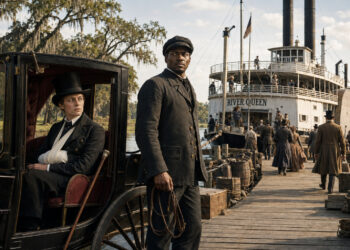
The Disguise That Broke Chains: Ellen and William Craft
Biographies

The Disguise That Broke Chains: Ellen and William Craft

September 15, 2026
Bass Reeves: The Marshal Who Hunted Outlaws in Indian Territory
Biographies

Bass Reeves: The Marshal Who Hunted Outlaws in Indian Territory

September 15, 2026
Ellen Craft: Passing as a Planter to Secure Freedom
Biographies

Ellen Craft: Passing as a Planter to Secure Freedom

September 15, 2026
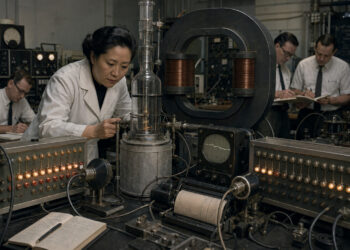
Chien‑Shiung Wu: The Physicist Who Proved Parity’s Failure
Biographies

Chien‑Shiung Wu: The Physicist Who Proved Parity’s Failure

September 15, 2026
Next Post
Approaching Lives: Practical Guide to Thoughtful Biography

Approaching Lives: Practical Guide to Thoughtful Biography

Search..

No Result
View All Result

Recent Articles

The Disguise That Broke Chains: Ellen and William Craft

The Disguise That Broke Chains: Ellen and William Craft

September 15, 2026
Bass Reeves: The Marshal Who Hunted Outlaws in Indian Territory

Bass Reeves: The Marshal Who Hunted Outlaws in Indian Territory

September 15, 2026
How the Crystal Palace Turned Glass and Iron into a Modern Stage

How the Crystal Palace Turned Glass and Iron into a Modern Stage

September 15, 2026
Anne Bonny: The Pirate Who Broke Rules and Expectations

Anne Bonny: The Pirate Who Broke Rules and Expectations

September 15, 2026
How Haiti Broke Its Chains: A 1791–1804 Timeline

How Haiti Broke Its Chains: A 1791–1804 Timeline

September 15, 2026

Subscribe Us

By clicking submit, I authorize History Ours and its affiliated companies to: (1) use, sell, and share my information for marketing purposes, including cross-context behavioral advertising, as described in our Terms of Service and Privacy Policy, (2) supplement the information that I provide with additional information lawfully obtained from other sources, like demographic data from public sources, interests inferred from web page views, or other data relevant to what might interest me, like past purchase or location data, (3) contact me or enable others to contact me by email with offers for goods and services from any category at the email address provided, and (4) retain my information while I am engaging with marketing messages that I receive and for a reasonable amount of time thereafter. I understand I can opt out at any time through an email that I receive, or by clicking here

Subscribe To Our Newsletter

By clicking submit, I authorize History Ours and its affiliated companies to: (1) use, sell, and share my information for marketing purposes, including cross-context behavioral advertising, as described in our Terms of Service and Privacy Policy, (2) supplement the information that I provide with additional information lawfully obtained from other sources, like demographic data from public sources, interests inferred from web page views, or other data relevant to what might interest me, like past purchase or location data, (3) contact me or enable others to contact me by email with offers for goods and services from any category at the email address provided, and (4) retain my information while I am engaging with marketing messages that I receive and for a reasonable amount of time thereafter. I understand I can opt out at any time through an email that I receive, or by clicking here.

© 2026 History Ours | All Rights Reserved

  • Contact Us
  • Privacy Policy
  • Terms of Service
  • Unsubscribe
  • Privacy Choices
  • Contact Us
  • Privacy Policy
  • Terms of Service
  • Unsubscribe
  • Privacy Choices

© 2026 History Ours | All Rights Reserved

No Result
View All Result
  • Home
  • History
  • Biographies
  • Eras
  • Regions
  • Timeline

© 2026 History Ours | All Rights Reserved

Skip to content
Open toolbar Accessibility Tools

Accessibility Tools

  • Increase TextIncrease Text
  • Decrease TextDecrease Text
  • GrayscaleGrayscale
  • High ContrastHigh Contrast
  • Negative ContrastNegative Contrast
  • Light BackgroundLight Background
  • Links UnderlineLinks Underline
  • Readable FontReadable Font
  • Reset Reset