
Uncover History’s Secrets with Daily Updates!
Daily News Entertainment
  • Home
  • History
  • Biographies
  • Eras
  • Regions
  • Timeline
No Result
View All Result
History Ours
  • Home
  • History
  • Biographies
  • Eras
  • Regions
  • Timeline
No Result
View All Result
History Ours
No Result
View All Result
Home Biographies

Biographical Timelines: Building Lives Through Everyday Details

in Biographies
Biographical Timelines: Building Lives Through Everyday Details

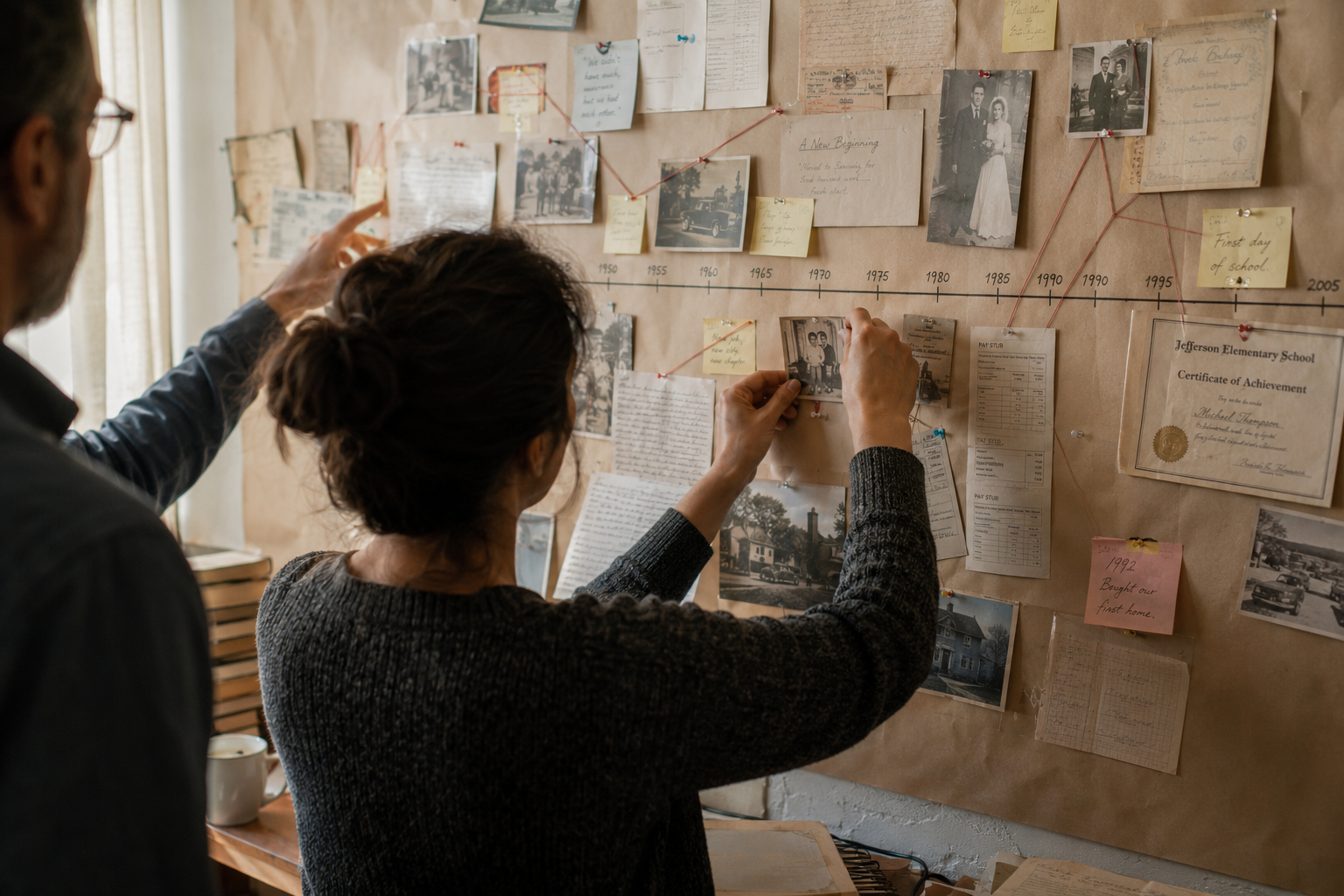
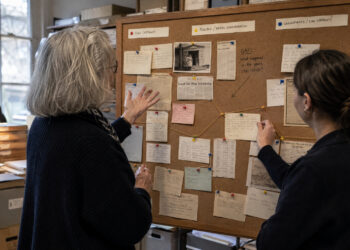
Timelines are more than dates; they are scaffolds that help readers understand how ordinary moments accumulate into a life. By focusing on everyday details—jobs, routines, relationships, and small decisions—biographers can turn sparse records into coherent narratives. A timeline organizes evidence and highlights patterns without forcing speculation where gaps remain. This approach supports clarity and invites readers to appreciate the flow of change over time.

Using timelines does not replace deep research, but it clarifies where to look next and how fragments might fit together. It also helps foreground continuities and ruptures that shaped a subject’s choices.

Why Timelines Matter

Timelines structure biographical work by arranging events in a way that reveals causality and context. They make it easier to spot periods of stability or sudden shifts that merit explanation, and they support transparent sourcing by linking claims to dates and documents. For readers, a timeline offers an intuitive map of a life and reduces the risk of conflating unrelated episodes. For writers, it serves as a checklist for missing information and a tool for prioritizing archival searches.

When rebuilt carefully, a timeline can illuminate how small events connect to larger historical currents. It also permits nuance, allowing uncertainty to be marked rather than smoothed over.

Collecting Everyday Details

Everyday details often survive where dramatic records do not, and they can include employment records, school lists, household accounts, correspondence, and oral recollections. These items may seem mundane but they anchor a timeline with texture and plausibility. Paying attention to addresses, job titles, and recurring correspondents helps you trace networks and mobility over time. Collating such data points builds a granular sense of routine and change that enriches interpretation.

  • Employment entries and payrolls
  • Local directories and censuses
  • Letters, bills, and diary fragments

Combining these elements lets you craft a timeline that supports both narrative and analysis. It also highlights where corroboration is needed.

Weaving Events into Narrative

A timeline should be a working draft for narrative, not a final product to be presented as prose. Use it to identify themes, turning points, and contextual anchors that will shape the story arc. Translate dated entries into scenes where appropriate, and intersperse contextual paragraphs that explain broader forces at play. Maintain clear attribution from timeline entry to narrative claim so readers understand the evidence base.

This method preserves fidelity to sources while allowing the biographer to craft a compelling, evidence-based account. It also helps keep interpretation proportionate to available data.

Ethical Considerations

Timelines can expose sensitive patterns, so biographers must weigh privacy and harm when deciding what to publish. Mark uncertain or disputed entries and avoid presenting speculation as fact. Be transparent about silences and gaps instead of fabricating plausibility to fill them. Respect for subjects and their communities should guide choices about emphasis and disclosure.

Ethical timeline-building enhances credibility and protects the dignity of subjects. It also promotes trust between researcher and readership.

Conclusion

Timelines grounded in everyday details create clear, humane biographies that respect evidence and complexity. They help writers organize research, reveal meaningful patterns, and guide ethical narration practices. Used thoughtfully, timelines turn fragments into persuasive life stories without overstating the facts.
Previous Post

Small Town Marketwomen and the Making of Urban Society

Next Post

Techniques for Writing Fair, Nuanced Life Portraits

Related Posts

Techniques for Writing Fair, Nuanced Life Portraits
Biographies

Techniques for Writing Fair, Nuanced Life Portraits

August 28, 2026
Portrait of an Unheralded Social Reformer and Educator
Biographies

Portrait of an Unheralded Social Reformer and Educator

August 28, 2026
The Quiet Life of a Dedicated Schoolmistress
Biographies

The Quiet Life of a Dedicated Schoolmistress

August 28, 2026
Methods for Giving Voice to Neglected Life Stories
Biographies

Methods for Giving Voice to Neglected Life Stories

August 16, 2026
Next Post
Techniques for Writing Fair, Nuanced Life Portraits

Techniques for Writing Fair, Nuanced Life Portraits

Search..

No Result
View All Result

Recent Articles

How the Rosetta Stone Broke Egypt’s Silent Code

How the Rosetta Stone Broke Egypt’s Silent Code

August 29, 2026
How the First Transatlantic Telegraph Shrunk the World

How the First Transatlantic Telegraph Shrunk the World

August 29, 2026
How Oysters Shaped the Chesapeake’s Past and Present

How Oysters Shaped the Chesapeake’s Past and Present

August 28, 2026
Corsica’s Rocky Turn: Genoese Towers, Paoli, and an Island’s Identity

Corsica’s Rocky Turn: Genoese Towers, Paoli, and an Island’s Identity

August 28, 2026
Mapping Cultural Layers Across Distinct Regional Landscapes

Mapping Cultural Layers Across Distinct Regional Landscapes

August 28, 2026

Subscribe Us

By clicking submit, I authorize History Ours and its affiliated companies to: (1) use, sell, and share my information for marketing purposes, including cross-context behavioral advertising, as described in our Terms of Service and Privacy Policy, (2) supplement the information that I provide with additional information lawfully obtained from other sources, like demographic data from public sources, interests inferred from web page views, or other data relevant to what might interest me, like past purchase or location data, (3) contact me or enable others to contact me by email with offers for goods and services from any category at the email address provided, and (4) retain my information while I am engaging with marketing messages that I receive and for a reasonable amount of time thereafter. I understand I can opt out at any time through an email that I receive, or by clicking here

Subscribe To Our Newsletter

By clicking submit, I authorize History Ours and its affiliated companies to: (1) use, sell, and share my information for marketing purposes, including cross-context behavioral advertising, as described in our Terms of Service and Privacy Policy, (2) supplement the information that I provide with additional information lawfully obtained from other sources, like demographic data from public sources, interests inferred from web page views, or other data relevant to what might interest me, like past purchase or location data, (3) contact me or enable others to contact me by email with offers for goods and services from any category at the email address provided, and (4) retain my information while I am engaging with marketing messages that I receive and for a reasonable amount of time thereafter. I understand I can opt out at any time through an email that I receive, or by clicking here.

© 2026 History Ours | All Rights Reserved

  • Contact Us
  • Privacy Policy
  • Terms of Service
  • Unsubscribe
  • Privacy Choices
  • Contact Us
  • Privacy Policy
  • Terms of Service
  • Unsubscribe
  • Privacy Choices

© 2026 History Ours | All Rights Reserved

No Result
View All Result
  • Home
  • History
  • Biographies
  • Eras
  • Regions
  • Timeline

© 2026 History Ours | All Rights Reserved

Skip to content
Open toolbar Accessibility Tools

Accessibility Tools

  • Increase TextIncrease Text
  • Decrease TextDecrease Text
  • GrayscaleGrayscale
  • High ContrastHigh Contrast
  • Negative ContrastNegative Contrast
  • Light BackgroundLight Background
  • Links UnderlineLinks Underline
  • Readable FontReadable Font
  • Reset Reset