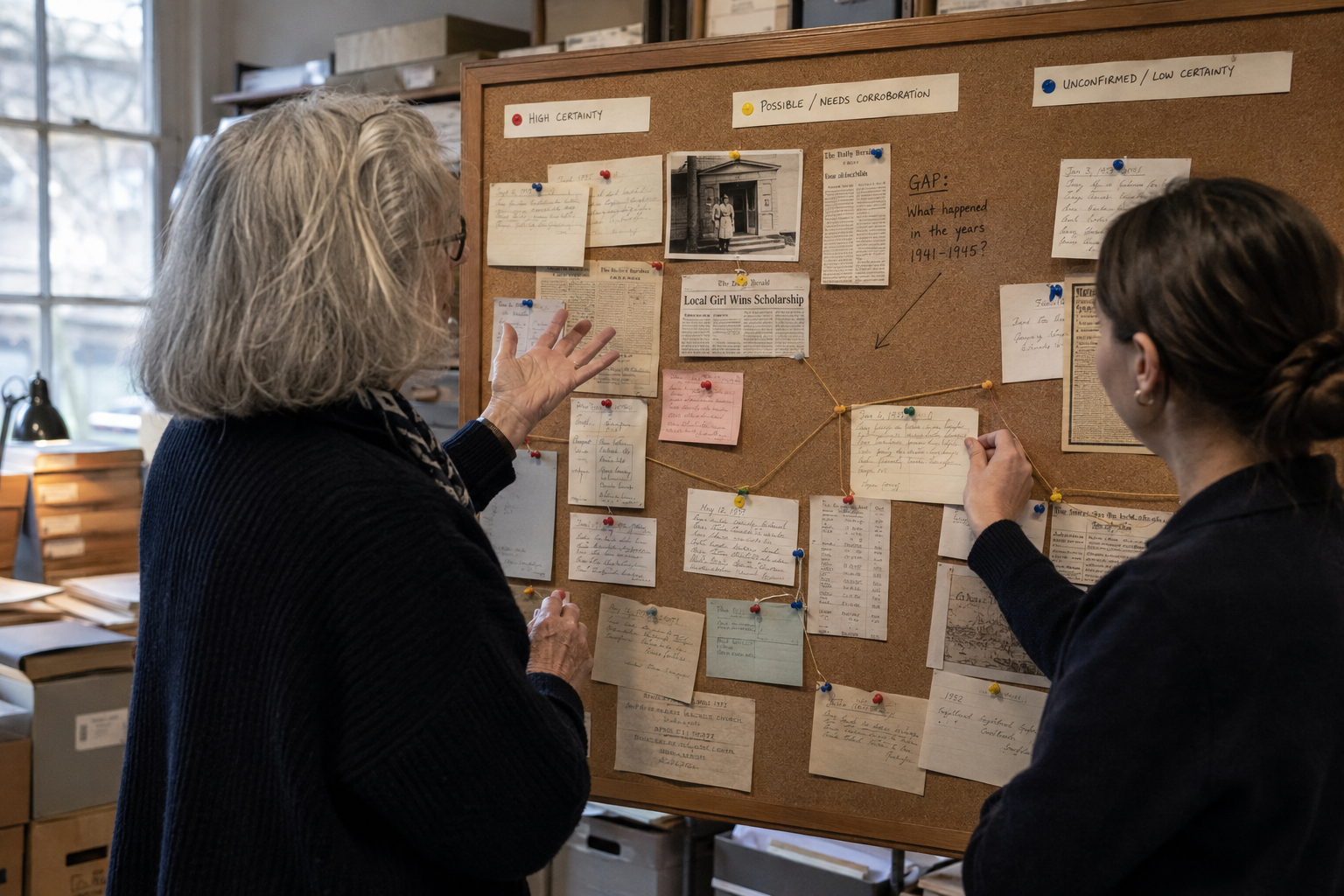
Good biographies balance evidence and interpretation to present a life that feels both accurate and human. Successful portraiture begins with meticulous research but also with a sensitivity to gaps, silences, and contradictions in the record. This piece outlines practical techniques for building balanced short biographies that respect sources and foreground individual context. It is aimed at historians, archivists, and writers seeking measured approaches to reconstructing lives, and to educators who communicate biography to wider publics.
Research Foundations
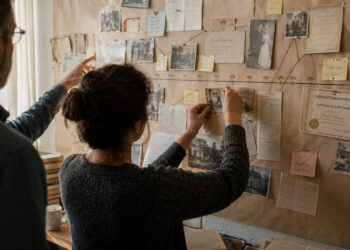
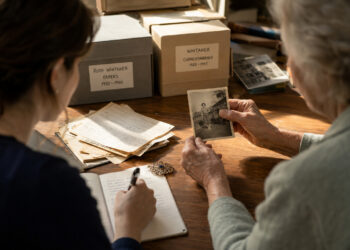
Start by mapping your sources: official records, letters, newspapers, and material culture often complement one another and expose different aspects of a life. Prioritize provenance and contemporaneous testimony, and note where later recollections may complicate certainty. When sources are sparse, look for indirect evidence—community records, occupational lists, and related biographies can reveal routines and relationships. Keep an evidence log that records both what you know and what remains speculative.
This disciplined groundwork narrows uncertainty and guides narrative choices. Clear citation habits also facilitate future corrections. Documenting uncertainties in footnotes or endnotes preserves methodological honesty and makes your limits explicit to readers.
Weaving Narrative
Translate facts into a readable arc without overstating what the sources permit. Focus scenes on moments where documentation converges: a letter, a court record, or a contemporary report can justify narrative detail. Resist filling gaps with invented psychology; instead, contextualize possibilities by explaining the broader social and economic conditions that shaped decisions. Use short, concrete episodes to suggest character while leaving interpretive room.
Narrative restraint builds credibility and invites readers to trust your interpretation. Let evidence set the limits of storytelling. Transparent framing of conjecture invites further inquiry rather than closing debate.
Ethical Considerations
Biographers handle reputations and sometimes vulnerable family histories. Explain biases in your sources and acknowledge when identities, motives, or outcomes cannot be established. Obtain permissions where living descendants are implicated, and be cautious about sensational claims that rest on thin evidence. Ethics also means crediting earlier researchers and being transparent about editorial choices.
- Cross-check archival references and public records.
- Flag speculative claims clearly for readers.
- Prioritize respectful, nonjudgmental language when uncertain.
Ethical transparency strengthens public trust and scholarly value. It turns biography into a civic practice as well as an interpretive art. These habits also protect subjects and readers alike.
Conclusion
Balanced biographies combine careful research, modest narrative, and clear ethics. Each decision—from choosing which facts to foreground to how to explain gaps—matters for how a life is understood. Practicing these techniques helps writers produce portraits that are both compelling and credible.