The Classical Age stands as one of the most influential periods in human history—a time when ideas, institutions, and innovations took shape and laid the groundwork for the world we know today. Spanning across ancient Greece, Rome, India, China, and other great civilizations, this era produced remarkable achievements in politics, philosophy, science, and culture that continue to shape modern society.
This transformative period was defined by the rise of organized states, codified legal systems, and advancements in arts and architecture. Civilizations didn’t just grow; they refined the way people lived, governed, and learned. The Classical Age was also a time of intellectual exploration, where thinkers and scholars established principles that still guide our understanding of ethics, governance, and human behavior.
From democratic experiments in Athens to the disciplined governance of Rome, from Confucian teachings in China to the vast intellectual contributions of India, the Classical Age offered a blueprint for social order and cultural flourishing. Its legacy remains visible in everything from literature and philosophy to urban planning and education.
Political Structures That Shaped Nations
The Classical Age introduced political systems that became foundational for future societies. Greece pioneered early democracy, Rome developed the republic and legal frameworks, and China established imperial governance rooted in Confucian values. These systems influenced how later civilizations approached leadership and justice.
Philosophical and Intellectual Advancements
This era was rich with thinkers whose ideas still resonate with today—Socrates, Aristotle, Confucius, and many others. Their teachings explored morality, logic, human nature, and governance. Their contributions continue to guide modern education, ethics, and intellectual discourse.
Art, Architecture, and Cultural Expression
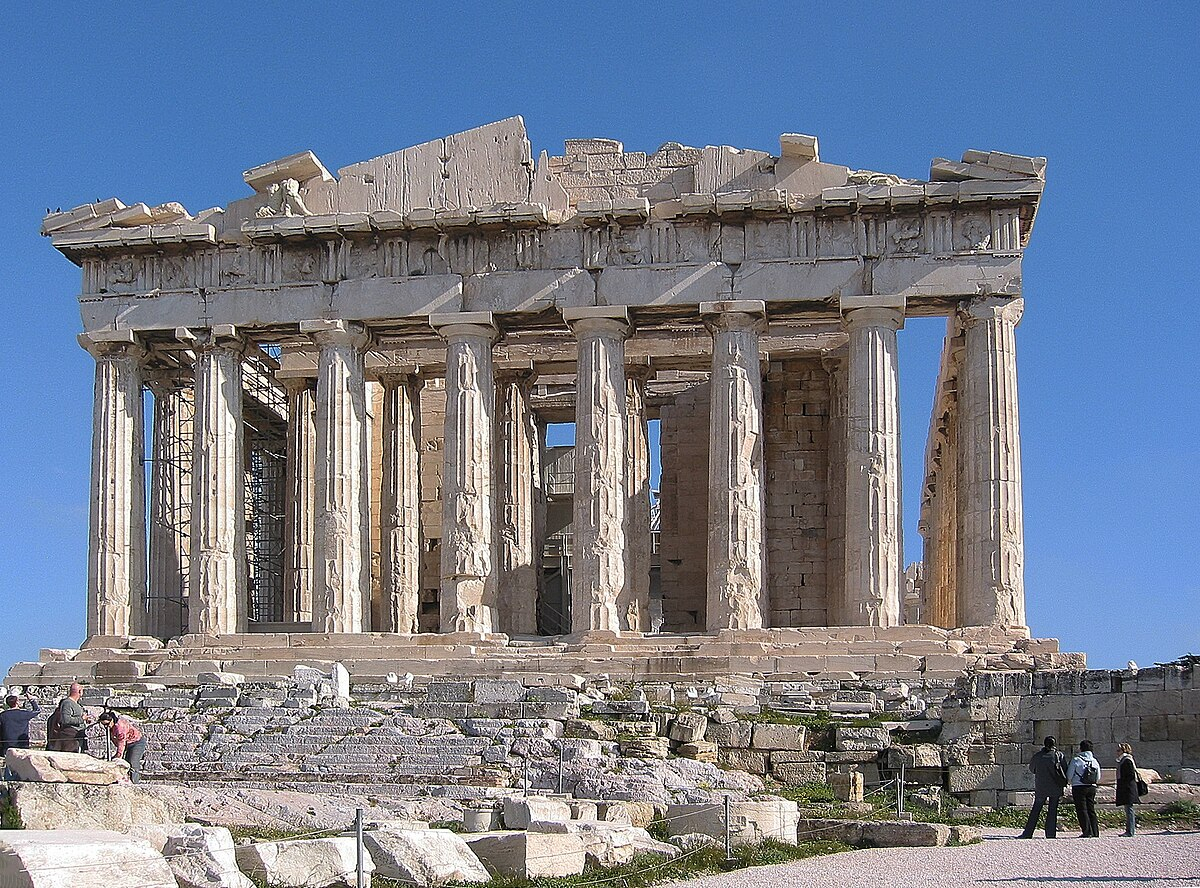
Classical civilizations produced artistic and architectural masterpieces—Greek temples, Roman engineering marvels, Indian epics, and Chinese calligraphy. These works reflected societal values and became symbols of cultural identity that have endured for centuries.
Scientific and Technological Progress
Innovations in mathematics, astronomy, medicine, and engineering were hallmarks of the Classical Age. From Roman aqueducts to early medical texts, these advancements improved quality of life and laid the scientific foundations for future discoveries.
Conclusion
The Classical Age was more than a historical period—it was the architectural blueprint of human civilization. It gave rise to systems of thought, governance, creativity, and innovation that still guide modern life. Its lessons, achievements, and cultural legacy remain central to understanding who we are and how societies evolve.