
The Iron Curtain Era shaped one of the most defining chapters in modern history, marked by political tension, cultural separation, and global realignment. As Europe split into two competing spheres of influence, nations faced new realities that reshaped their futures. This period wasn’t just about borders and ideology, it was about how people lived, how leaders negotiated, and how the world learned to navigate conflict without plunging into full-scale war. Today, the lessons of this era still influence diplomacy, global strategy, and international cooperation.
The World Divided: East vs. West
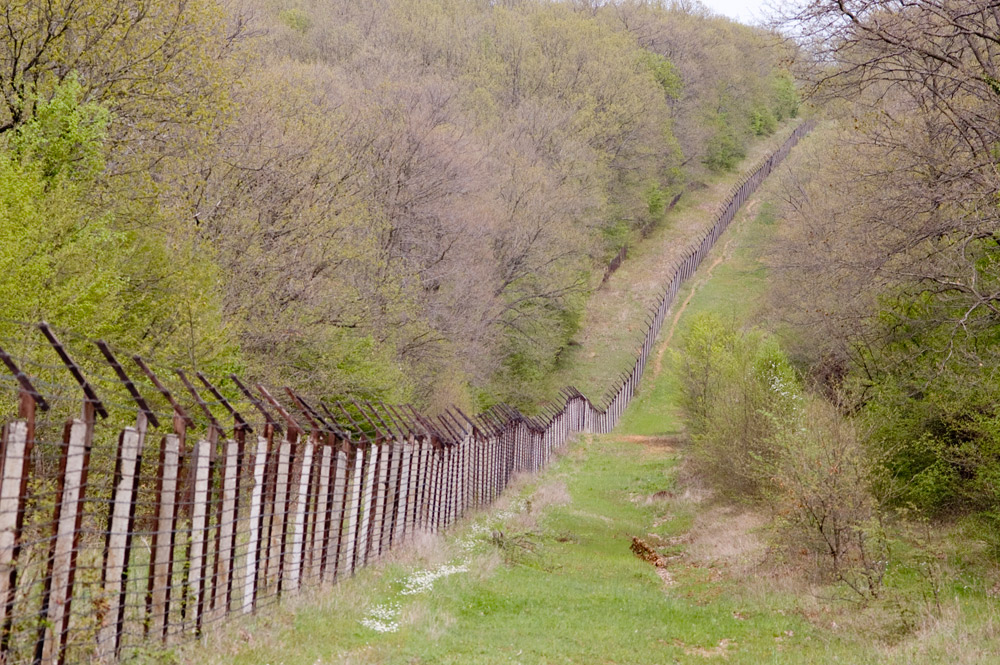
After World War II, Europe was sharply divided between the Western democracies and the Soviet-controlled Eastern bloc. This ideological divide created political, economic, and cultural barriers that ultimately formed what Winston Churchill famously described as the “Iron Curtain.” Countries aligned themselves with one side or the other, shaping alliances like NATO and the Warsaw Pact. The division led to deep mistrust and competing worldviews, setting the stage for decades of tension.
Life Behind the Curtain
For millions living in Eastern Europe, life under Soviet influence meant restricted freedoms, state-controlled economies, and limited contact with the outside world. Travel was heavily monitored, media was censored, and citizens often faced surveillance. Meanwhile, Western Europe experienced rapid economic growth, cultural openness, and broader political freedoms. This contrast became a powerful symbol of the era, influencing movements for independence and reform across the East.
Diplomacy in a Polarized World
Despite the division, diplomacy became essential to preventing conflict. The United States and Soviet Union engaged in high-stakes negotiations to avoid nuclear escalation, leading to key treaties and agreements. Diplomacy also played a major role in supporting smaller nations caught between the superpowers. In many ways, the Iron Curtain Era transformed diplomacy into a strategic tool for maintaining global stability, demonstrating the necessity of dialogue even in hostile environments.
The Curtain Falls
By the late 1980s, the world began witnessing dramatic change. Economic struggles, growing public resistance, and reform movements led to a weakening of Soviet control. The fall of the Berlin Wall in 1989 became the symbolic end of the Iron Curtain and the beginning of a new era of European integration and cooperation. This moment highlighted the power of resilience, collective action, and the human desire for freedom.
Conclusion
The Iron Curtain Era stands as a powerful reminder of the dangers of division and the importance of diplomacy. While separation defined the period, it was communication, negotiation, and the courage of people on both sides that ultimately reshaped the world. Its lessons continue to guide global leaders as they confront new challenges and strive toward a more unified future.