
Uncover History’s Secrets with Daily Updates!
Daily News Entertainment
  • Home
  • History
  • Biographies
  • Eras
  • Regions
  • Timeline
No Result
View All Result
History Ours
  • Home
  • History
  • Biographies
  • Eras
  • Regions
  • Timeline
No Result
View All Result
History Ours
No Result
View All Result
Home History

Hidden Threads: How Everyday Objects Tell Local Histories

in History
Hidden Threads: How Everyday Objects Tell Local Histories

Hidden Threads: How Everyday Objects Tell Local Histories

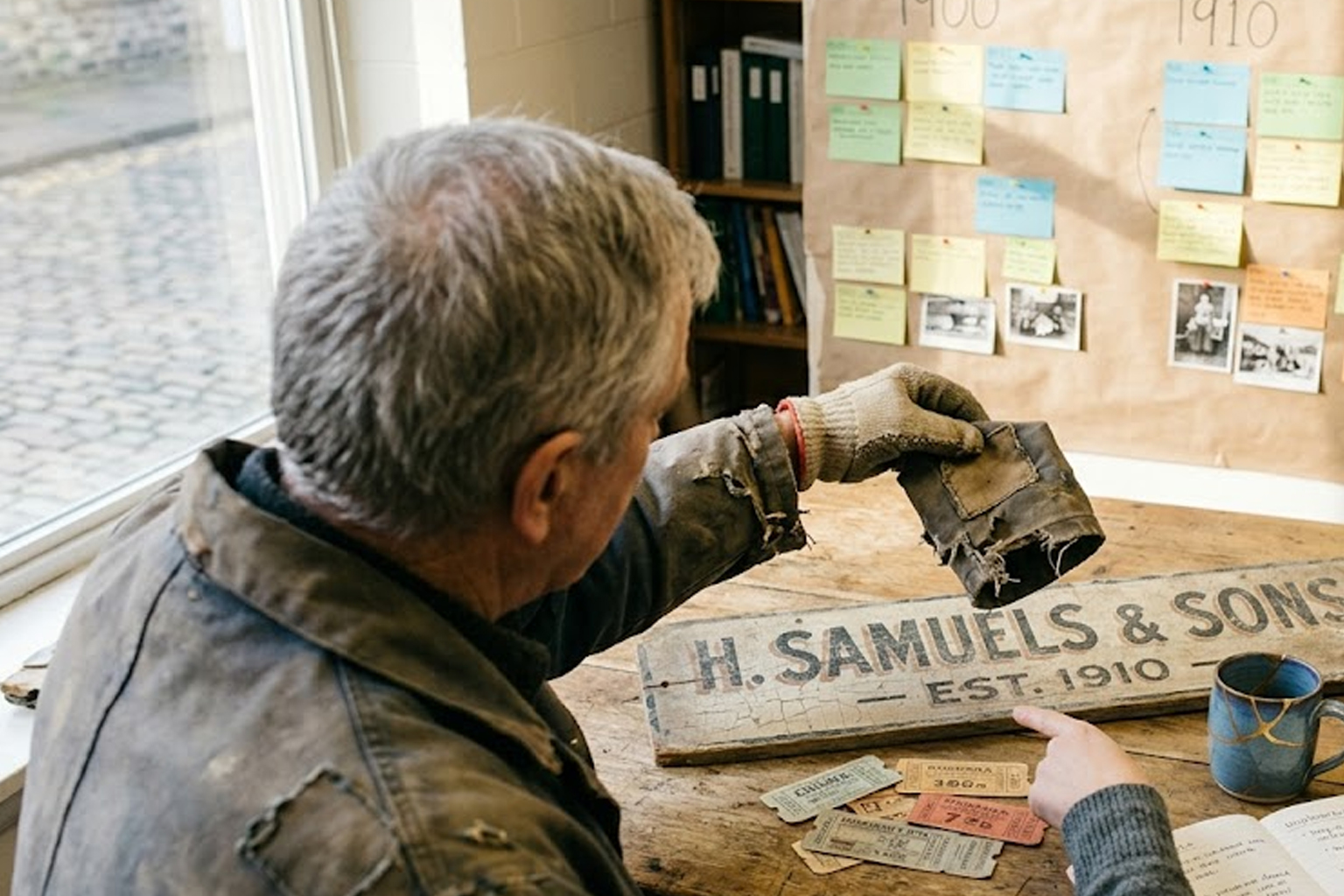
Everyday objects around us carry traces of past lives, routines, and choices that formal archives often overlook. A discarded ticket stub, a patched coat, or a neighborhood shop sign can reveal patterns of migration, labor, and cultural exchange. Paying attention to these material traces helps communities recover stories that no official record captures. This article explores how ordinary items act as memory-bearers and offers practical ways to read and preserve them.

Objects as Storytellers

Objects encapsulate lived experience through their design, wear, and context, turning material culture into a narrative resource. When a tool shows repeated repair, it can indicate scarcity, value, or attachment within a household or workplace. Similarly, decorative motifs on ceramics or textiles may point to local tastes, trade links, or symbolic meanings transmitted across generations. Reading these traces requires curiosity and a willingness to connect small details to broader social patterns.

Approaching items as evidence reframes them from curiosities into primary sources that complement documents and oral histories. This perspective broadens the scope of research to include the everyday and the intimate. It also empowers non-specialists to contribute observations that enrich communal knowledge.

Reading Material Culture

Learning to interpret objects starts with careful description: note materials, construction methods, repairs, and signs of use before forming hypotheses. Context is essential; the same object taken from different settings can mean very different things, and provenance helps build credible stories. Combining visual analysis with interviews and archival checks turns isolated artifacts into strands of a coherent narrative. Such multidisciplinary reading makes it possible to trace changes in economy, technology, and social relations over time.

  • Kitchenware can reveal diet, trade, and household organization.
  • Commercial signs and packaging indicate local commerce and consumer trends.
  • Clothing alterations suggest resourcefulness, identity, or shifting fashions.

Examples like these show how modest items map onto community life and historical change. They offer entry points for researchers and residents alike to begin asking historically productive questions.

Preserving Ordinary Evidence

Preservation need not be confined to major institutions; community projects can document and safeguard everyday artifacts through simple methods. Photographic cataloguing, condition notes, and recorded oral histories provide durable records without requiring specialized storage. Digital platforms allow wider sharing and collective annotation, enabling residents to contribute memories and context that enrich the material record. Local partnerships between libraries, schools, and civic groups can create sustainable practices for maintaining these resources.

Prioritizing accessibility ensures that preserved items remain meaningful to the people whose stories they tell. Thoughtful stewardship also opens opportunities for exhibitions and educational programming that celebrate local heritage.

Conclusion

Ordinary objects are powerful conduits of local history, offering tangible links to past lives and practices. By learning to read, document, and preserve material traces, communities recover layered narratives that enrich collective understanding. Encouraging small-scale preservation and interpretive work makes history more inclusive and rooted in daily experience.

Previous Post

Building Timeline Narratives to Illuminate Historical Change

Next Post

How Neighborhood Stories Shape Our Shared Past

Related Posts

Anne Bonny: The Pirate Who Broke Rules and Expectations
History

Anne Bonny: The Pirate Who Broke Rules and Expectations

September 15, 2026
How the Crystal Palace Turned Glass and Iron into a Modern Stage
History

How the Crystal Palace Turned Glass and Iron into a Modern Stage

September 15, 2026
Mary Anning and the Coast That Revealed Lost Worlds
History

Mary Anning and the Coast That Revealed Lost Worlds

September 15, 2026
When Mount Pelée Erased Saint-Pierre, 1902
History

When Mount Pelée Erased Saint-Pierre, 1902

September 15, 2026
Next Post
How Neighborhood Stories Shape Our Shared Past

How Neighborhood Stories Shape Our Shared Past

Search..

No Result
View All Result

Recent Articles

Edo: Japan’s Urban Revolution of Lanterns and Printshops

Edo: Japan’s Urban Revolution of Lanterns and Printshops

September 16, 2026
How the Little Ice Age Changed Everyday Life in Europe

How the Little Ice Age Changed Everyday Life in Europe

September 16, 2026
The Disguise That Broke Chains: Ellen and William Craft

The Disguise That Broke Chains: Ellen and William Craft

September 15, 2026
Bass Reeves: The Marshal Who Hunted Outlaws in Indian Territory

Bass Reeves: The Marshal Who Hunted Outlaws in Indian Territory

September 15, 2026
How the Crystal Palace Turned Glass and Iron into a Modern Stage

How the Crystal Palace Turned Glass and Iron into a Modern Stage

September 15, 2026

Subscribe Us

By clicking submit, I authorize History Ours and its affiliated companies to: (1) use, sell, and share my information for marketing purposes, including cross-context behavioral advertising, as described in our Terms of Service and Privacy Policy, (2) supplement the information that I provide with additional information lawfully obtained from other sources, like demographic data from public sources, interests inferred from web page views, or other data relevant to what might interest me, like past purchase or location data, (3) contact me or enable others to contact me by email with offers for goods and services from any category at the email address provided, and (4) retain my information while I am engaging with marketing messages that I receive and for a reasonable amount of time thereafter. I understand I can opt out at any time through an email that I receive, or by clicking here

Subscribe To Our Newsletter

By clicking submit, I authorize History Ours and its affiliated companies to: (1) use, sell, and share my information for marketing purposes, including cross-context behavioral advertising, as described in our Terms of Service and Privacy Policy, (2) supplement the information that I provide with additional information lawfully obtained from other sources, like demographic data from public sources, interests inferred from web page views, or other data relevant to what might interest me, like past purchase or location data, (3) contact me or enable others to contact me by email with offers for goods and services from any category at the email address provided, and (4) retain my information while I am engaging with marketing messages that I receive and for a reasonable amount of time thereafter. I understand I can opt out at any time through an email that I receive, or by clicking here.

© 2026 History Ours | All Rights Reserved

  • Contact Us
  • Privacy Policy
  • Terms of Service
  • Unsubscribe
  • Privacy Choices
  • Contact Us
  • Privacy Policy
  • Terms of Service
  • Unsubscribe
  • Privacy Choices

© 2026 History Ours | All Rights Reserved

No Result
View All Result
  • Home
  • History
  • Biographies
  • Eras
  • Regions
  • Timeline

© 2026 History Ours | All Rights Reserved

Skip to content
Open toolbar Accessibility Tools

Accessibility Tools

  • Increase TextIncrease Text
  • Decrease TextDecrease Text
  • GrayscaleGrayscale
  • High ContrastHigh Contrast
  • Negative ContrastNegative Contrast
  • Light BackgroundLight Background
  • Links UnderlineLinks Underline
  • Readable FontReadable Font
  • Reset Reset