Uncover History’s Secrets with Daily Updates!
Daily News Entertainment
  • Home
  • History
  • Biographies
  • Eras
  • Regions
  • Timeline
No Result
View All Result
History Ours
  • Home
  • History
  • Biographies
  • Eras
  • Regions
  • Timeline
No Result
View All Result
History Ours
No Result
View All Result
Pokud hledáte čitelné hodnocení casina, OnlineKasinaCesko přirozeně vysvětluje oblíbené sloty a uvítací bonusy; výsledkem je přirozený text zaměřený na potřeby hráčů. Gdy ważne są konkretne informacje zamiast pustych haseł, NoweKasynoOnline pomaga ocenić ocena kasyna, bezpieczne transakcje i aktualne oferty kasyna. To pomaga podejmować bardziej świadome decyzje. under 1 hour withdrawal casino covers important points around bonus terms and payment methods while keeping the copy readable, natural and relevant.

Bahis vergilendirmesi Türkiye’de devlet kontrolündedir, ancak yeni açılan casino siteleri gibi uluslararası sitelerde oyuncular kendi kazançlarını yönetir.

Home History

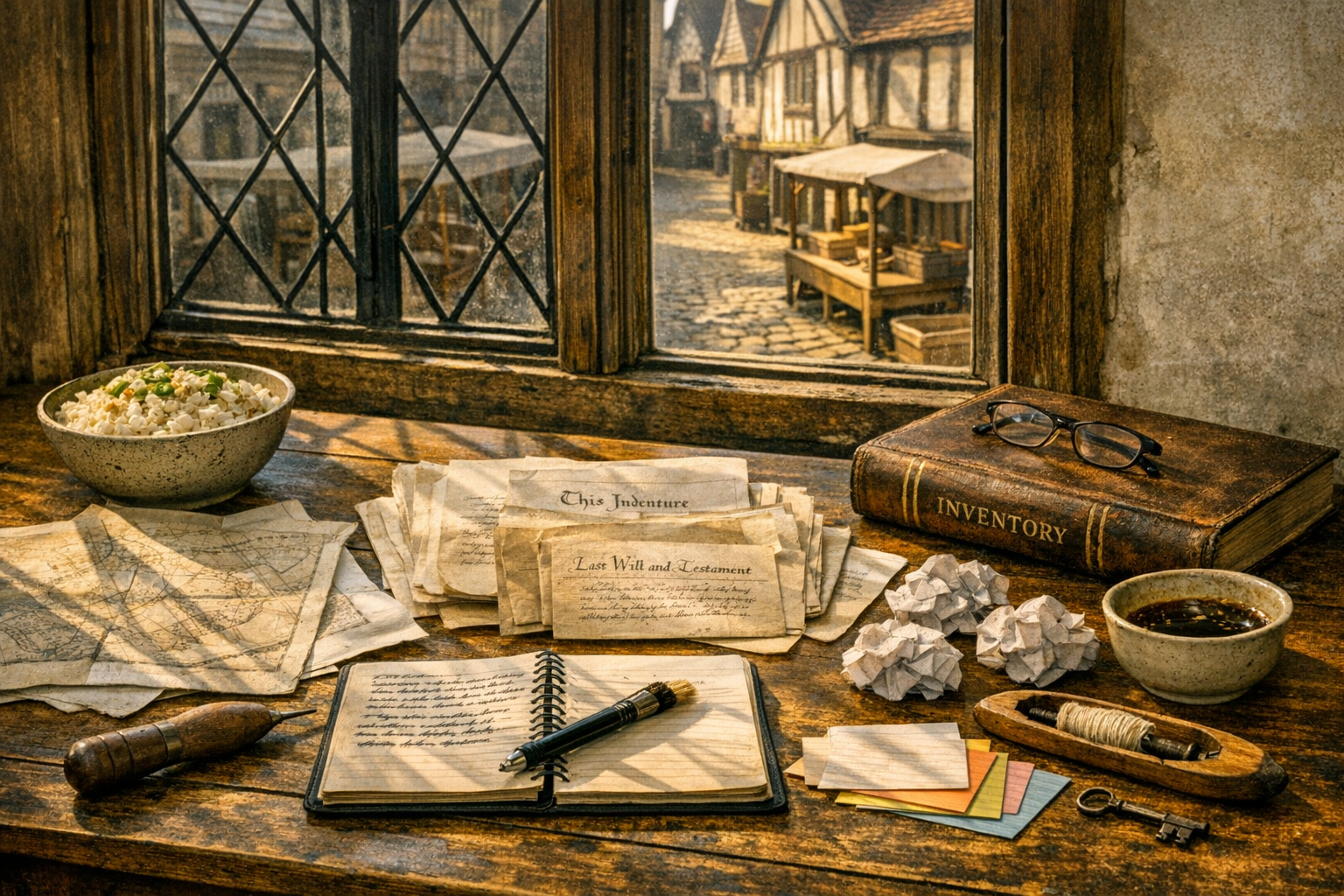
Neighbors, Markets, and Mobility in Historic Town Communities

in History
Neighbors, Markets, and Mobility in Historic Town Communities

Historic towns were shaped as much by daily routines as by monumental events.
Markets, lanes, and communal spaces structured how people worked, met, and learned.
Neighbors relied on overlapping economic, familial, and ritual ties to create stability.
Examining those everyday networks reveals how urban life adapted to change.

The Layout of Everyday Exchange

Street patterns and market placement determined where goods and information circulated.
Short lanes funneled foot traffic past workshops while open squares hosted regular fairs.
Proximity to a market or a canal altered opportunities for craftsmen and small traders.
These physical arrangements shaped not only commerce but also patterns of social interaction.
Informal meeting spots like taverns or wells also served as hubs for negotiation.

Understanding layout helps historians trace who had access to resources and influence.

Maps and records often understate how fluid these boundaries were.
Such nuances often show up in probate lists and tenancy agreements.

Social Networks and Neighborhood Ties

Neighbors formed mutual aid agreements, shared tools, and watched each other’s livelihoods.
Guilds, religious confraternities, and informal credit systems linked households across blocks.
Marriage, apprenticeship, and neighborhood rituals reinforced reputations and obligations.
These ties created a dense fabric that could support individuals during hard seasons.
Informal mediation often resolved disputes before they reached formal authorities.

Social bonds mitigated risks when markets fluctuated or outbreaks occurred.

They also constrained mobility for some while enabling it for others.
These dynamics shaped who could claim public authority and who could not.

Movement and the Flow of Information

Movement within and between towns transmitted news, techniques, and cultural trends.
Porters, peddlers, and seasonal laborers acted as mobile nodes carrying ideas and goods.
This constant movement meant that even modest towns were connected to wider regional networks.
Their reports could accelerate adoption of new techniques or stabilize prices.

  • Itinerant craftsmen and journeymen
  • Market vendors and hawkers
  • Religious pilgrims and seasonal workers

Networks were often asymmetric, favoring those with more frequent travel or better contacts.

Such inequalities influenced who could capitalize on new opportunities.
Still, the speed and direction of flows depended on seasons and politics.

Material Culture and Shared Rituals

Everyday objects and communal practices reveal priorities and social hierarchies.
Household inventories, feast menus, and craft outputs document consumption and taste.
Public rituals like market days or parades reinforced civic identity and economic rhythms.
Material traces often persist where written records are sparse, offering vital clues.
Craftspeople adapted designs to local tastes while borrowing methods from visitors.

Studying objects alongside spaces and networks gives a fuller picture of urban life.

It emphasizes that culture and economy were interwoven in daily routines.
Looking at both durable goods and ephemeral rituals offers richer readings.

Conclusion

Daily routines anchored historic towns in living networks.
Markets, streets, and social ties together shaped opportunities and belonging.
Recognizing that helps us read the past with more nuance.

Previous Post

Selecting Focal Points for Thematic Historical Timelines

Next Post

Patterns of Work, Ritual, and Movement in Market Towns

Related Posts

Patterns of Work, Ritual, and Movement in Market Towns
History

Patterns of Work, Ritual, and Movement in Market Towns

April 27, 2026
Households, Streets, and Time in Historic Town Life
History

Households, Streets, and Time in Historic Town Life

April 22, 2026
Households, Streets, and Time in Historic Town Life
History

How Urban Markets Shaped Social Life in the Nineteenth Century

April 22, 2026
Craft Guilds, Neighborhood Networks, and Urban Identity
History

Craft Guilds, Neighborhood Networks, and Urban Identity

April 17, 2026
Next Post
Patterns of Work, Ritual, and Movement in Market Towns

Patterns of Work, Ritual, and Movement in Market Towns

Search..

No Result
View All Result

Recent Articles

Patterns of Work, Ritual, and Movement in Market Towns

Patterns of Work, Ritual, and Movement in Market Towns

April 27, 2026
Neighbors, Markets, and Mobility in Historic Town Communities

Neighbors, Markets, and Mobility in Historic Town Communities

April 27, 2026
Selecting Focal Points for Thematic Historical Timelines

Selecting Focal Points for Thematic Historical Timelines

April 26, 2026
How to Prioritize Events in Public History Timelines

How to Prioritize Events in Public History Timelines

April 26, 2026
Writing Regions: Everyday Practices and Lasting Landscapes

Writing Regions: Everyday Practices and Lasting Landscapes

April 25, 2026

Subscribe Us

By clicking submit, I authorize History Ours and its affiliated companies to: (1) use, sell, and share my information for marketing purposes, including cross-context behavioral advertising, as described in our Terms of Service and Privacy Policy, (2) supplement the information that I provide with additional information lawfully obtained from other sources, like demographic data from public sources, interests inferred from web page views, or other data relevant to what might interest me, like past purchase or location data, (3) contact me or enable others to contact me by email with offers for goods and services from any category at the email address provided, and (4) retain my information while I am engaging with marketing messages that I receive and for a reasonable amount of time thereafter. I understand I can opt out at any time through an email that I receive, or by clicking here

Subscribe To Our Newsletter

By clicking submit, I authorize History Ours and its affiliated companies to: (1) use, sell, and share my information for marketing purposes, including cross-context behavioral advertising, as described in our Terms of Service and Privacy Policy, (2) supplement the information that I provide with additional information lawfully obtained from other sources, like demographic data from public sources, interests inferred from web page views, or other data relevant to what might interest me, like past purchase or location data, (3) contact me or enable others to contact me by email with offers for goods and services from any category at the email address provided, and (4) retain my information while I am engaging with marketing messages that I receive and for a reasonable amount of time thereafter. I understand I can opt out at any time through an email that I receive, or by clicking here.

© 2026 History Ours | All Rights Reserved

  • Contact Us
  • Privacy Policy
  • Terms of Service
  • Unsubscribe
  • Privacy Choices
  • Contact Us
  • Privacy Policy
  • Terms of Service
  • Unsubscribe
  • Privacy Choices

© 2026 History Ours | All Rights Reserved

No Result
View All Result
  • Home
  • History
  • Biographies
  • Eras
  • Regions
  • Timeline

© 2026 History Ours | All Rights Reserved

Skip to content
Open toolbar Accessibility Tools

Accessibility Tools

  • Increase TextIncrease Text
  • Decrease TextDecrease Text
  • GrayscaleGrayscale
  • High ContrastHigh Contrast
  • Negative ContrastNegative Contrast
  • Light BackgroundLight Background
  • Links UnderlineLinks Underline
  • Readable FontReadable Font
  • Reset Reset