

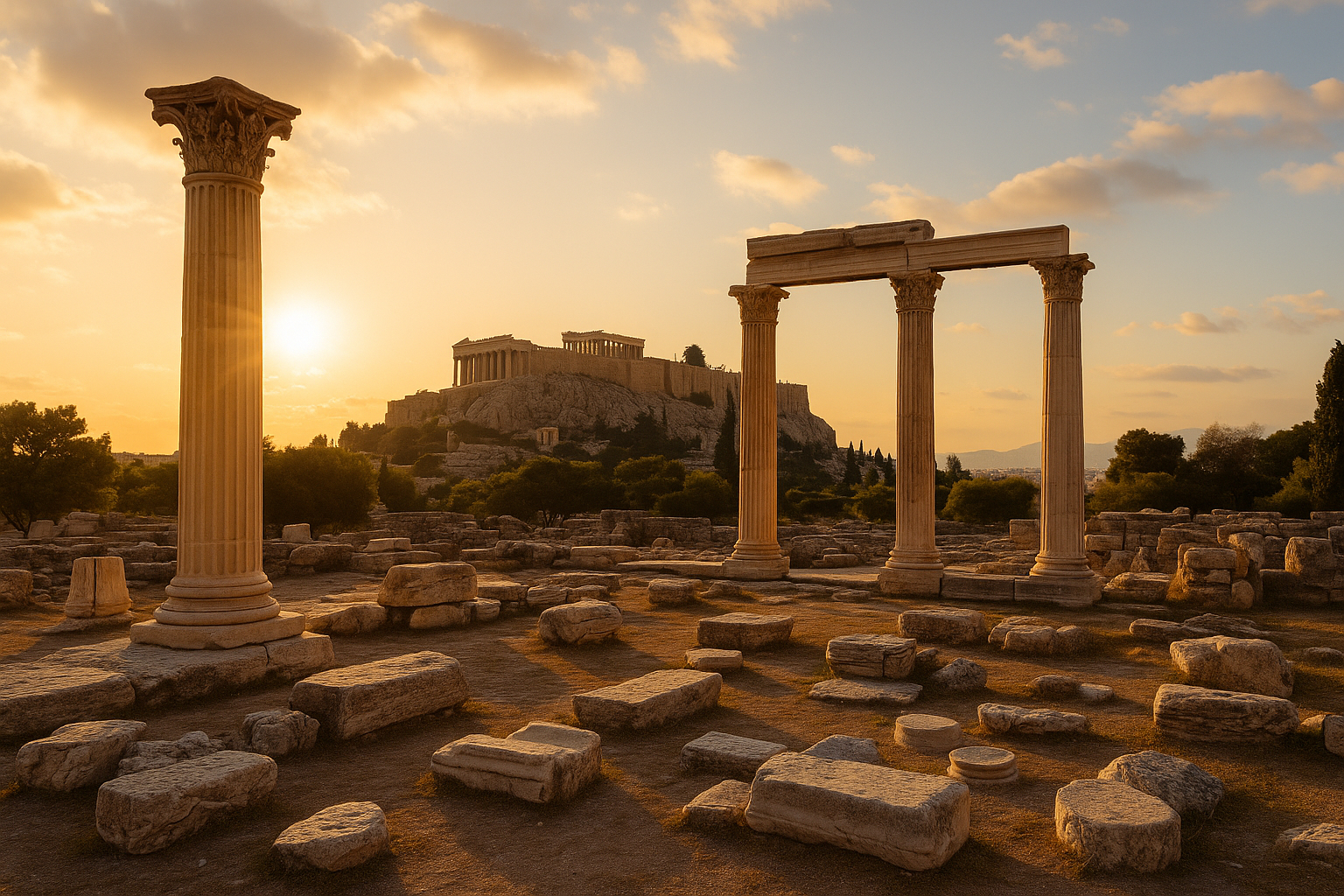
Ancient conquests reshaped civilizations in ways that still influence the modern world. As empires expanded and new territories came under their rule, cultures blended, ideas spread, and societies evolved. These periods of conquest were marked by conflict, but they also sparked innovation, exchange, and adaptation. By looking at how ancient conquests shaped language, traditions, technology, and identity, we gain insight into the forces that molded early civilizations and continue to shape global culture today.
Blending of Cultures Through Expansion
One of the most significant outcomes of ancient conquests was cultural integration. When empires absorbed new lands, they encountered unique customs, languages, and belief systems. Instead of erasing them entirely, many conquering powers incorporated local practices into their own traditions. This blending led to shared art forms, religious rituals, architectural styles, and social systems. The result was a cultural mosaic that influenced everything from daily life to long-term societal development.
Spread of Ideas, Technologies, and Knowledge
Conquests opened pathways for knowledge to travel. Scientific advancements, agricultural techniques, writing systems, and engineering methods spread quickly across conquered regions. From the road networks of Rome to the mathematical innovations carried out across ancient Persia, these exchanges expanded global understanding. Knowledge shared through conquest often laid the foundation for later discoveries, shaping fields such as astronomy, medicine, and governance.
Language and Identity Shaped by Empire
Language was one of the most enduring cultural consequences of ancient conquest. Empires often spread their dominant languages across vast territories, creating a shared mode of communication. Over time, local dialects mixed with imperial languages, forming entirely new linguistic identities. These shifts influenced trade, education, and government, leaving linguistic footprints that persist in many modern nations.
Art, Religion, and Legacy Across Civilizations
Ancient conquests also transformed artistic and religious landscapes. New symbols, gods, and creative styles were introduced as empires expanded their influence. Temples, monuments, and artifacts reflect these cultural blends, showcasing a fusion of artistic vision. The spread of religious beliefs across borders played a major role in shaping spiritual traditions that continue today. These cultural interactions enriched societies and created lasting historical legacies.
Conclusion
The cultural impact of ancient conquests extends far beyond borders and battles. Through the exchange of ideas, blending of traditions, and expansion of knowledge, empires shaped the trajectory of human civilization. Understanding these influences helps us appreciate how interconnected cultures have always been—and how the past continues to guide the evolution of global identity.