
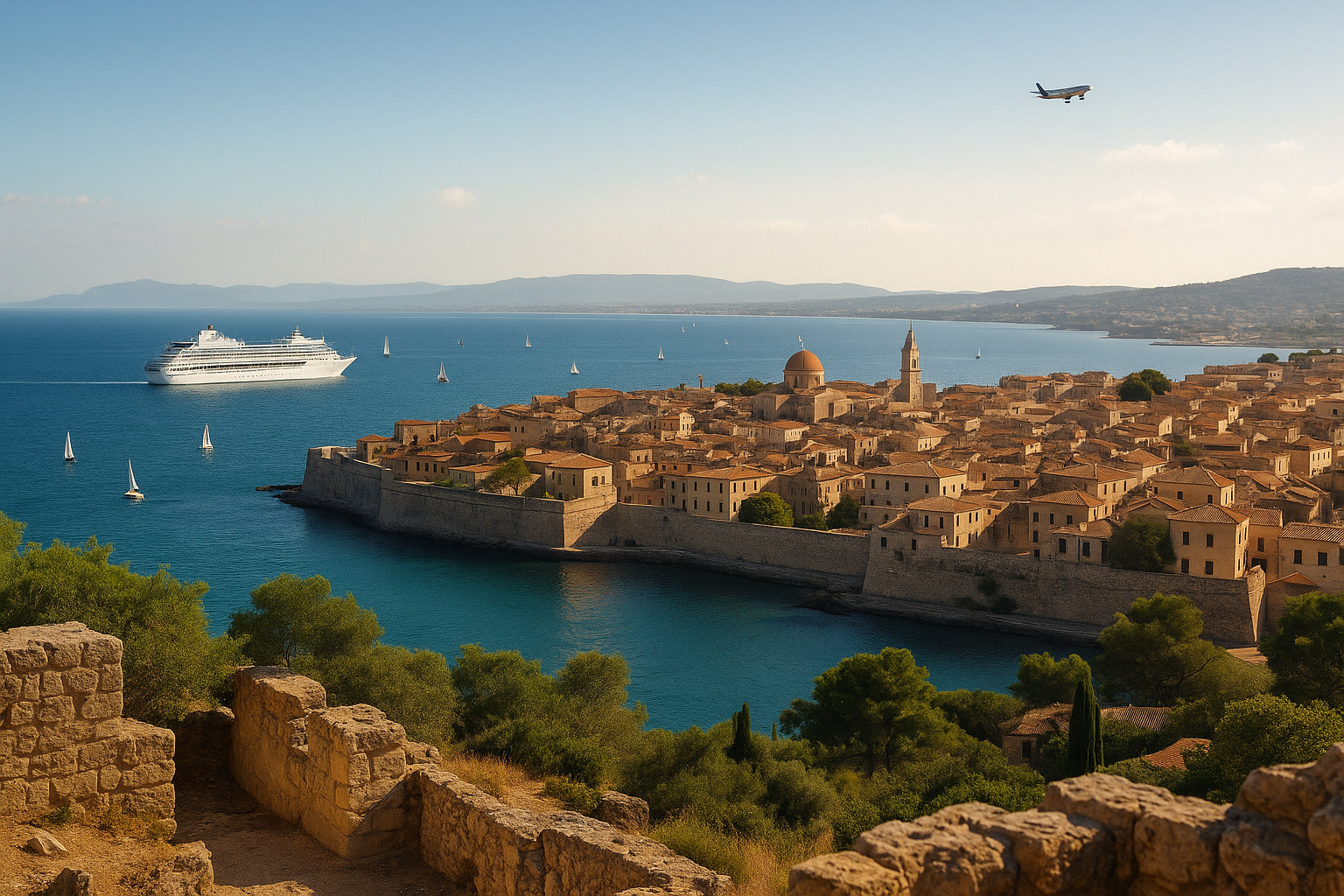
The Mediterranean has long been one of the most influential regions in the world—a place where cultures met, ideas merged, and civilizations rose and transformed humanity. Surrounded by three continents and connected through vital trade routes, this sea became a bridge between societies that shaped language, art, science, religion, and politics. Its unique geography fostered exchange and conflict, cooperation and competition, creating a legacy that still resonates today. The Mediterranean’s story is the story of human progress, carried across the waves for thousands of years.
A Meeting Point of Civilizations
From the ancient Egyptians and Phoenicians to the Greeks and Romans, many of history’s most powerful civilizations flourished along the Mediterranean coastline. These societies interacted through trade, exploration, and diplomacy, sharing innovations in architecture, agriculture, navigation, and philosophy. The region became a living network of ideas, where cultural identity was continuously enriched by the diverse people who lived along its shores.
Trade Routes That Shaped the World
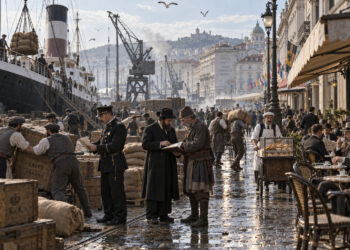
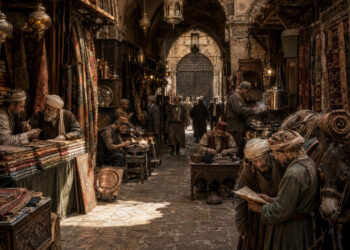
The Mediterranean served as a vital economic engine for centuries. Merchant ships transported spices, textiles, metals, wine, oils, and precious goods across the sea, connecting distant markets and building prosperous coastal cities. These trade routes encouraged competition and cooperation, fueling economic growth and creating opportunities for cultural exchange. The movement of goods also meant the movement of stories, religions, and traditions, giving the Mediterranean an unparalleled role in shaping global commerce.
Religious and Cultural Exchange
Major world religions—including Judaism, Christianity, and Islam—spread through the Mediterranean, influencing art, governance, and social structures. Cities like Alexandria, Jerusalem, and Constantinople became hubs of scholarship and spirituality. This exchange of beliefs and customs created a rich cultural tapestry that blended local traditions with broader regional influences. The Mediterranean became not just a physical space but a powerful symbol of cultural fusion.
Strategic Power and Conflict
Throughout history, control of the Mediterranean meant access to wealth, influence, and military advantage. Empires fought for dominance, from Rome’s naval supremacy to the Ottoman Empire’s expansion. These struggles shaped borders, alliances, and political systems that still impact global relations. Despite conflict, the region repeatedly rebuilt, demonstrating resilience and the enduring desire for connection and cooperation.
Conclusion
The Mediterranean stands as a testament to humanity’s ability to connect, trade, share, and evolve. Its shores have witnessed the rise and fall of powerful civilizations and the blending of cultures that shaped the modern world. Even today, the Mediterranean remains a vibrant crossroads where history continues to inspire new generations.