

Education has always evolved alongside human civilization, shifting in form as societies grew, technologies advanced, and cultures changed. From the earliest days of oral storytelling to today’s global digital classrooms, each era has reshaped how knowledge is shared. Understanding this evolution highlights how deeply learning is connected to human progress and how modern innovations continue to transform access to education around the world.
Learning Through Oral Traditions
For much of early history, knowledge was transmitted entirely through spoken word. Elders, storytellers, and skilled mentors taught through fables, rituals, songs, and face-to-face instruction. These oral traditions helped preserve cultural values, history, and practical skills, creating strong bonds across generations. Although informal by modern standards, oral learning laid the foundation for community identity and social continuity.
The Rise of Written Knowledge
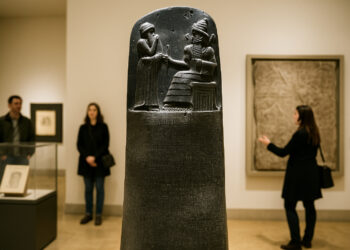
The invention of writing radically changed the nature of learning. With tablets, scrolls, and later books, knowledge could be recorded, stored, and shared across distances and generations. Ancient libraries, early schools, and academic centers emerged, allowing education to expand beyond memory and storytelling. Written language made it possible to preserve complex ideas and teach larger groups of learners in more structured ways.
Organized Education and Global Expansion
As civilizations advanced, education became more formalized. Schools, academies, and eventually universities shaped how societies approached learning. Subjects were standardized, teachers specialized, and knowledge became organized into disciplines. Over time, public education systems expanded, giving more people access to literacy and academic training. Global communication and industrialization further accelerated the spread of educational opportunities.
The Digital Revolution and Online Learning
The introduction of computers and the internet reshaped education once again. Modern learners can attend virtual classes, watch video lectures, complete interactive lessons, and access vast online libraries from anywhere in the world. Digital platforms reduce barriers of geography, cost, and time, making learning more flexible and accessible. Online education supports lifelong learning, allowing people of all ages to gain new skills in a rapidly changing world.
Conclusion
Education has traveled a long path—from oral stories to written records, formal institutions, and now digital platforms. Each transformation reflects humanity’s drive to share knowledge and create opportunity. As technology continues to evolve, education will keep expanding, offering new ways for people everywhere to learn, connect, and grow.