Uncover History’s Secrets with Daily Updates!
Daily News Entertainment
  • Home
  • History
  • Biographies
  • Eras
  • Regions
  • Timeline
No Result
View All Result
History Ours
  • Home
  • History
  • Biographies
  • Eras
  • Regions
  • Timeline
No Result
View All Result
History Ours
No Result
View All Result
Home Timeline

The Rise of Cities: Urbanization Through the Ages

in Timeline
The Rise of Cities: Urbanization Through the Ages

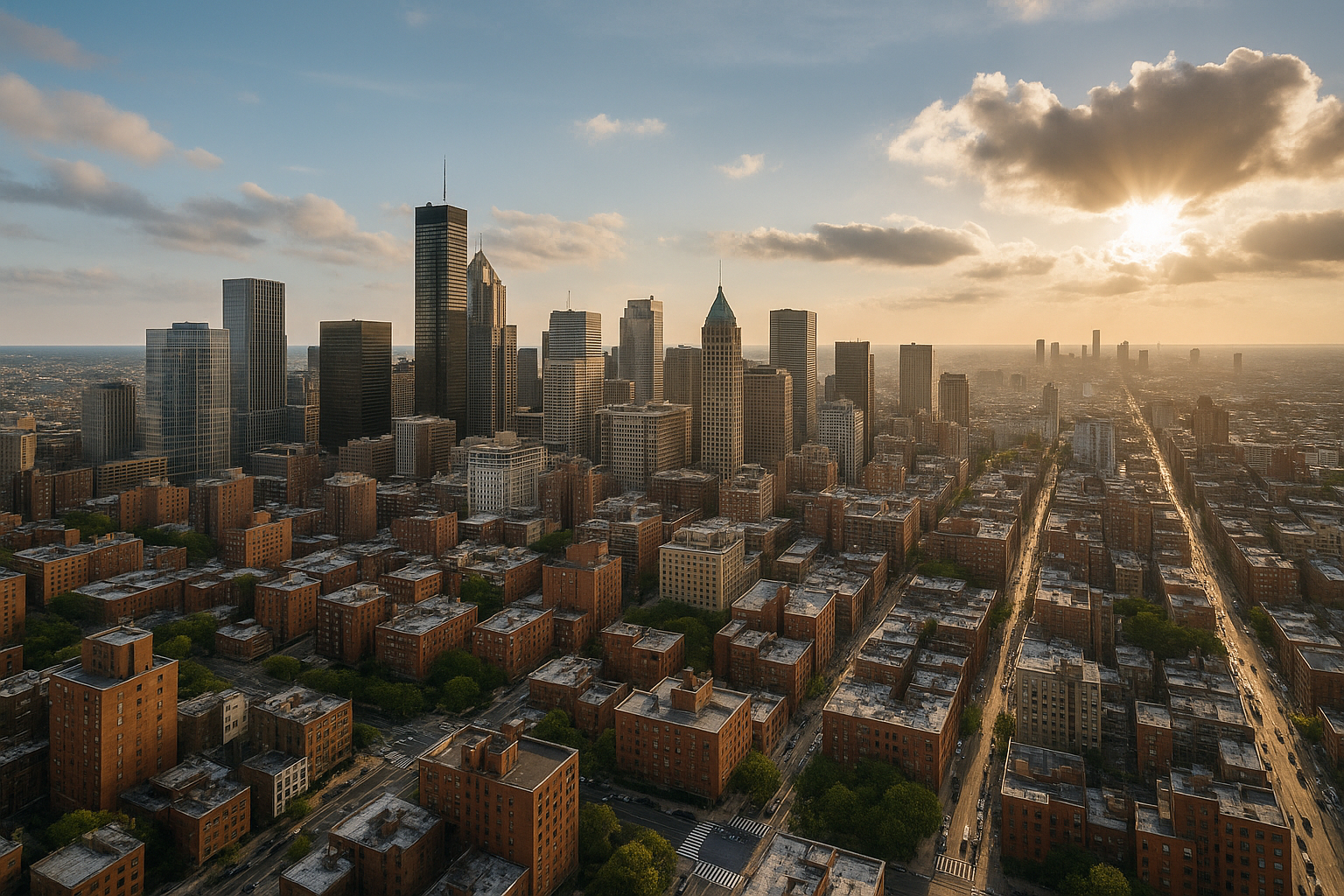
Cities have always been at the heart of human progress, serving as centers of trade, culture, innovation, and community. The journey from early settlements to the complex urban environments we see today reflects how societies have adapted to changing needs, technologies, and opportunities. Urbanization didn’t happen overnight—it evolved over thousands of years, shaping the way people live, work, and connect with one another. Exploring this evolution reveals the influence cities have had on civilization itself.

Early Settlements and the Birth of Community

The origins of cities can be traced back to early agricultural societies, where people first began settling in one place. As farming advanced, communities grew larger, and small villages slowly transformed into organized towns. These early centers allowed people to exchange goods, share ideas, and form social structures that created the foundation of urban life. The development of writing, trade routes, and shared governance often began in these early hubs.

Cities as Centers of Power and Culture

As civilizations expanded, cities became symbols of power and innovation. Ancient urban centers like Babylon, Rome, and Athens thrived as political, cultural, and economic capitals. They introduced concepts such as structured governance, marketplaces, and public infrastructure—ideas that continue to influence modern cities. Urban life encouraged creativity, leading to advancements in art, architecture, education, and technology. These achievements made cities essential to the growth of societies around the world.

Industrialization and Rapid Urban Growth

The Industrial Revolution dramatically changed the pace of urbanization. Factories, transportation systems, and new technologies drew people from rural areas into rapidly growing cities. This period marked a shift toward economic opportunity and mass production, reshaping how people lived and worked. While cities expanded quickly, they also faced challenges such as overcrowding, pollution, and infrastructure shortages. These issues pushed governments and planners to rethink design and improve living conditions.

Modern Urbanization and the Future of Cities

Today, cities are more interconnected and technologically advanced than ever before. Urban areas drive economic growth, foster innovation, and serve as cultural melting pots. Smart technology, improved transportation, and sustainable design are transforming cities into more efficient and livable spaces. As populations continue shifting toward urban life, modern cities must balance growth with environmental responsibility, community needs, and long-term planning.

Conclusion

The rise of cities is a story of human ingenuity and adaptation. From small settlements to global megacities, urbanization has shaped how societies evolve, interact, and thrive. As cities continue to innovate and confront new challenges, they will remain essential to building a connected and forward-looking future.


Previous Post

A Timeline of Great Human Achievements

Next Post

The History of Education: From Oral Tradition to Online Learning

Related Posts

How Haiti Broke Its Chains: A 1791–1804 Timeline
Timeline

How Haiti Broke Its Chains: A 1791–1804 Timeline

September 15, 2026
From Horses to Wires: How the Pony Express Met the Telegraph
Timeline

From Horses to Wires: How the Pony Express Met the Telegraph

September 15, 2026
From Swamps to Shortcut: A Timeline of the Panama Canal
Timeline

From Swamps to Shortcut: A Timeline of the Panama Canal

September 15, 2026
1815–1818: The Tambora Eruption and the Year Without a Summer
Timeline

1815–1818: The Tambora Eruption and the Year Without a Summer

September 15, 2026
Next Post
The History of Education: From Oral Tradition to Online Learning

The History of Education: From Oral Tradition to Online Learning

Search..

No Result
View All Result

Recent Articles

The Disguise That Broke Chains: Ellen and William Craft

The Disguise That Broke Chains: Ellen and William Craft

September 15, 2026
Bass Reeves: The Marshal Who Hunted Outlaws in Indian Territory

Bass Reeves: The Marshal Who Hunted Outlaws in Indian Territory

September 15, 2026
How the Crystal Palace Turned Glass and Iron into a Modern Stage

How the Crystal Palace Turned Glass and Iron into a Modern Stage

September 15, 2026
Anne Bonny: The Pirate Who Broke Rules and Expectations

Anne Bonny: The Pirate Who Broke Rules and Expectations

September 15, 2026
How Haiti Broke Its Chains: A 1791–1804 Timeline

How Haiti Broke Its Chains: A 1791–1804 Timeline

September 15, 2026

Subscribe Us

By clicking submit, I authorize History Ours and its affiliated companies to: (1) use, sell, and share my information for marketing purposes, including cross-context behavioral advertising, as described in our Terms of Service and Privacy Policy, (2) supplement the information that I provide with additional information lawfully obtained from other sources, like demographic data from public sources, interests inferred from web page views, or other data relevant to what might interest me, like past purchase or location data, (3) contact me or enable others to contact me by email with offers for goods and services from any category at the email address provided, and (4) retain my information while I am engaging with marketing messages that I receive and for a reasonable amount of time thereafter. I understand I can opt out at any time through an email that I receive, or by clicking here

Subscribe To Our Newsletter

By clicking submit, I authorize History Ours and its affiliated companies to: (1) use, sell, and share my information for marketing purposes, including cross-context behavioral advertising, as described in our Terms of Service and Privacy Policy, (2) supplement the information that I provide with additional information lawfully obtained from other sources, like demographic data from public sources, interests inferred from web page views, or other data relevant to what might interest me, like past purchase or location data, (3) contact me or enable others to contact me by email with offers for goods and services from any category at the email address provided, and (4) retain my information while I am engaging with marketing messages that I receive and for a reasonable amount of time thereafter. I understand I can opt out at any time through an email that I receive, or by clicking here.

© 2026 History Ours | All Rights Reserved

  • Contact Us
  • Privacy Policy
  • Terms of Service
  • Unsubscribe
  • Privacy Choices
  • Contact Us
  • Privacy Policy
  • Terms of Service
  • Unsubscribe
  • Privacy Choices

© 2026 History Ours | All Rights Reserved

No Result
View All Result
  • Home
  • History
  • Biographies
  • Eras
  • Regions
  • Timeline

© 2026 History Ours | All Rights Reserved

Skip to content
Open toolbar Accessibility Tools

Accessibility Tools

  • Increase TextIncrease Text
  • Decrease TextDecrease Text
  • GrayscaleGrayscale
  • High ContrastHigh Contrast
  • Negative ContrastNegative Contrast
  • Light BackgroundLight Background
  • Links UnderlineLinks Underline
  • Readable FontReadable Font
  • Reset Reset