Uncover History’s Secrets with Daily Updates!
Daily News Entertainment
  • Home
  • History
  • Biographies
  • Eras
  • Regions
  • Timeline
No Result
View All Result
History Ours
  • Home
  • History
  • Biographies
  • Eras
  • Regions
  • Timeline
No Result
View All Result
History Ours
No Result
View All Result
Home History

The Influence of Migration on Culture and Power

in History
The Influence of Migration on Culture and Power

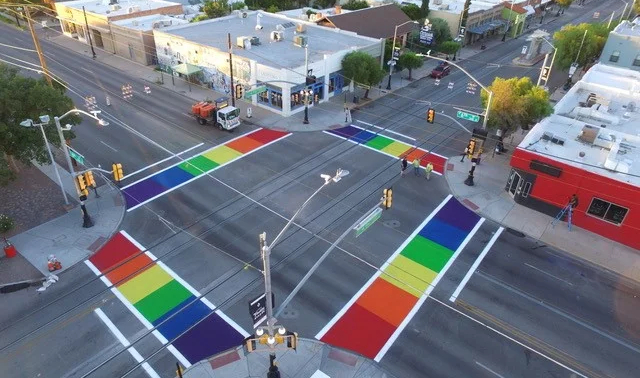
Migration has been one of the most powerful forces shaping human history, quietly redefining cultures, economies, and political systems across centuries. As people move—by choice or necessity—they carry languages, beliefs, skills, and traditions with them. These movements don’t just change where people live; they reshape who holds influence and how societies evolve. From ancient settlements to modern cities, migration has continually altered the balance of cultural identity and power. Understanding this influence reveals how deeply movement and transformation are woven into human progress.

Migration as a Cultural Catalyst

When groups migrate, cultures rarely remain unchanged. Traditions blend, cuisines evolve, languages borrow from one another, and new forms of art and expression emerge. Migrant communities often adapt their customs to new environments while influencing the host culture in return. Over time, this exchange creates hybrid identities that reflect shared experiences rather than single origins. Many of the world’s most vibrant cultural centers grew precisely because they were shaped by waves of migration.

Shifting Power Through Population Movement

Migration has long influenced who holds economic and political power. Labor migration can strengthen economies by filling skill gaps and driving innovation, while population shifts can alter voting patterns, leadership structures, and social priorities. Historically, migration helped build empires, expand trade networks, and populate strategic regions. In modern contexts, it continues to reshape urban power centers, influencing markets, policy debates, and international relationships.

Migration, Identity, and Social Tension

While migration often enriches societies, it can also generate tension when rapid change challenges existing identities or resource distribution. Questions around belonging, representation, and equity frequently arise during periods of significant migration. These moments test social institutions and political leadership, pushing societies to redefine inclusion and citizenship. How cultures respond to migration often determines whether diversity becomes a source of strength or division.

Knowledge, Innovation, and Influence

Migrants have historically played a crucial role in spreading knowledge and innovation. Skills, technologies, and ideas move with people, accelerating development across regions. Many scientific, artistic, and entrepreneurial breakthroughs emerged where diverse populations intersected. This flow of talent reinforces the idea that power is not static—it shifts toward places that attract and integrate people effectively.

Conclusion

Migration has continuously reshaped culture and power by driving exchange, innovation, and social change. It influences who we are, how societies function, and where influence concentrates. By understanding migration’s historical and cultural impact, we gain clearer insight into how movement continues to shape the world today.

Previous Post

How Globalization Began Long Before Modern Times

Next Post

Sigmund Freud: The Man Who Mapped the Mind

Related Posts

John Snow, the Broad Street Pump, and Cholera’s Fall
History

John Snow, the Broad Street Pump, and Cholera’s Fall

October 29, 2026
The Vasa: Sweden’s Giant Ship That Couldn’t Sail
History

The Vasa: Sweden’s Giant Ship That Couldn’t Sail

October 29, 2026
The Ghost Army: How Artists Fooled Hitler’s Front
History

The Ghost Army: How Artists Fooled Hitler’s Front

October 24, 2026
How Iceland’s 1783 Laki Fissure Eruption Chilled an Age
History

How Iceland’s 1783 Laki Fissure Eruption Chilled an Age

October 24, 2026
Next Post
Sigmund Freud: The Man Who Mapped the Mind

Sigmund Freud: The Man Who Mapped the Mind

Search..

No Result
View All Result

Recent Articles

The Salon Era: How Conversation Shaped the Enlightenment

The Salon Era: How Conversation Shaped the Enlightenment

October 31, 2026
Tenement New York: Life in Vertical Slums, 1870–1910

Tenement New York: Life in Vertical Slums, 1870–1910

October 31, 2026
Mary Seacole: The Jamaican Nurse Who Went to War

Mary Seacole: The Jamaican Nurse Who Went to War

October 30, 2026
Ada Lovelace: The Poet Who Helped Imagine Modern Computers

Ada Lovelace: The Poet Who Helped Imagine Modern Computers

October 30, 2026
John Snow, the Broad Street Pump, and Cholera’s Fall

John Snow, the Broad Street Pump, and Cholera’s Fall

October 29, 2026

Subscribe Us

By clicking submit, I authorize History Ours and its affiliated companies to: (1) use, sell, and share my information for marketing purposes, including cross-context behavioral advertising, as described in our Terms of Service and Privacy Policy, (2) supplement the information that I provide with additional information lawfully obtained from other sources, like demographic data from public sources, interests inferred from web page views, or other data relevant to what might interest me, like past purchase or location data, (3) contact me or enable others to contact me by email with offers for goods and services from any category at the email address provided, and (4) retain my information while I am engaging with marketing messages that I receive and for a reasonable amount of time thereafter. I understand I can opt out at any time through an email that I receive, or by clicking here

Subscribe To Our Newsletter

By clicking submit, I authorize History Ours and its affiliated companies to: (1) use, sell, and share my information for marketing purposes, including cross-context behavioral advertising, as described in our Terms of Service and Privacy Policy, (2) supplement the information that I provide with additional information lawfully obtained from other sources, like demographic data from public sources, interests inferred from web page views, or other data relevant to what might interest me, like past purchase or location data, (3) contact me or enable others to contact me by email with offers for goods and services from any category at the email address provided, and (4) retain my information while I am engaging with marketing messages that I receive and for a reasonable amount of time thereafter. I understand I can opt out at any time through an email that I receive, or by clicking here.

© 2026 History Ours | All Rights Reserved

  • Contact Us
  • Privacy Policy
  • Terms of Service
  • Unsubscribe
  • Privacy Choices
  • Contact Us
  • Privacy Policy
  • Terms of Service
  • Unsubscribe
  • Privacy Choices

© 2026 History Ours | All Rights Reserved

No Result
View All Result
  • Home
  • History
  • Biographies
  • Eras
  • Regions
  • Timeline

© 2026 History Ours | All Rights Reserved

Skip to content
Open toolbar Accessibility Tools

Accessibility Tools

  • Increase TextIncrease Text
  • Decrease TextDecrease Text
  • GrayscaleGrayscale
  • High ContrastHigh Contrast
  • Negative ContrastNegative Contrast
  • Light BackgroundLight Background
  • Links UnderlineLinks Underline
  • Readable FontReadable Font
  • Reset Reset