

Globalization is often viewed as a modern phenomenon driven by technology, trade agreements, and instant communication. In reality, the foundations of globalization were laid thousands of years ago, long before the modern world took shape. Ancient societies were deeply interconnected through trade, migration, and cultural exchange, creating early global networks. These connections shaped economies, belief systems, and political power across vast distances. Understanding early globalization reveals that human history has always been defined by movement and exchange.
Ancient Trade Routes Connected the World
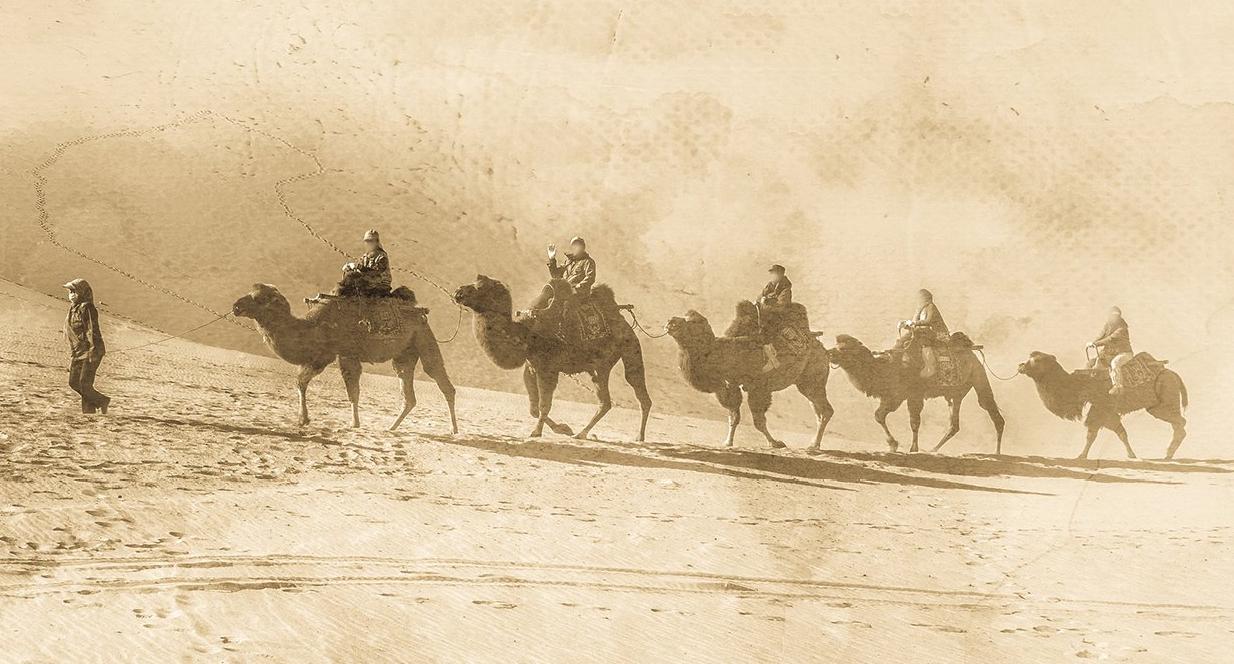
Long before airplanes and shipping containers, trade routes linked distant civilizations. Networks such as the Silk Road connected East Asia with the Mediterranean, enabling the exchange of silk, spices, metals, and ideas. Maritime routes across the Indian Ocean allowed merchants to travel between Africa, the Middle East, and South Asia using seasonal winds. These trade systems weren’t just economic—they facilitated the spread of languages, technologies, and customs, creating early global interdependence.
Migration and Cultural Exchange
Human migration played a crucial role in early globalization. As people moved in search of resources, safety, or opportunity, they carried traditions, skills, and beliefs with them. Over time, this movement blended cultures and reshaped societies. Cities became multicultural hubs where diverse populations lived and worked together. These interactions influenced art, cuisine, governance, and social norms, leaving lasting cultural legacies.
Empires as Engines of Global Connection
Large empires accelerated globalization by uniting vast territories under shared administrative systems. Roads, ports, and standardized currencies made trade and communication more efficient. Empires also encouraged the exchange of knowledge, from scientific discoveries to legal frameworks. While often built through conquest, these political structures created stability that allowed long-distance interaction to flourish.
The Spread of Ideas and Technologies
Globalization wasn’t limited to goods and people—it also involved ideas. Religious beliefs, philosophical thought, and technological innovations traveled along the same routes as merchants and migrants. Innovations such as writing systems, mathematics, and navigation techniques crossed borders and transformed societies. These shared advancements helped civilizations learn from one another and progress collectively.
Conclusion
Globalization began long before modern times through trade, migration, empire-building, and the exchange of ideas. These early connections shaped the world in profound ways, proving that globalization is a deeply human process. Long before modern technology, societies were already building a connected world through curiosity, cooperation, and exchange.