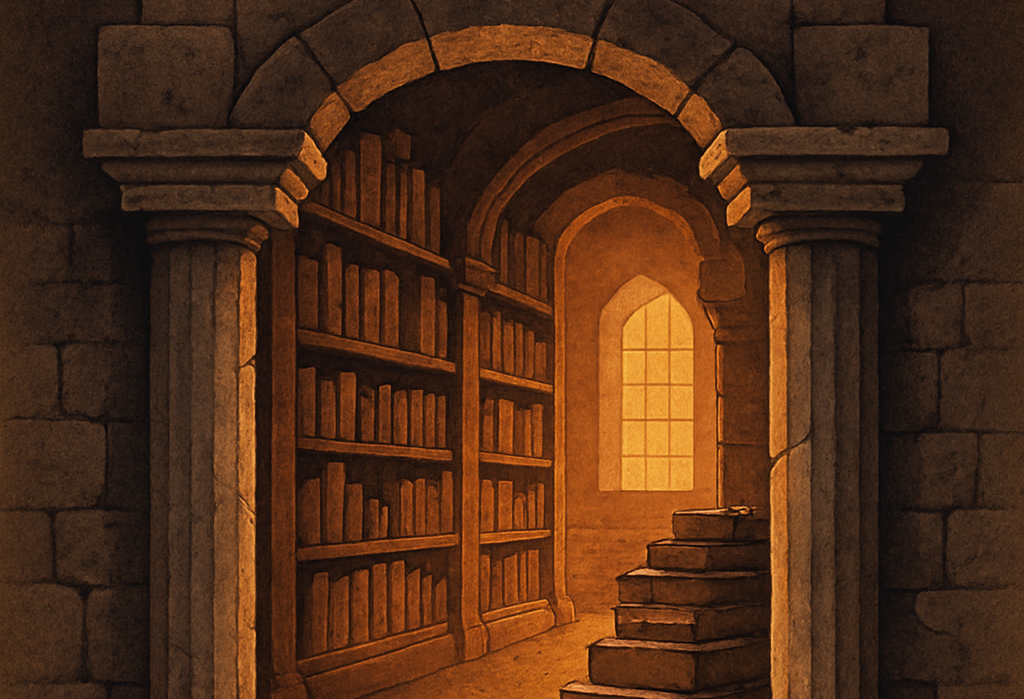
Ancient libraries once stood as the heart of human learning, preserving the wisdom, discoveries, and stories of entire civilizations. From Alexandria to Nineveh to Nalanda, these centers of knowledge shaped the intellectual foundations of the world. Even though many of these libraries were destroyed or lost over time, their legacy continues to influence how societies value education, preservation, and the pursuit of truth. Their stories remind us of both the fragility of knowledge and the enduring human desire to understand the world.
Guardians of Early Human Wisdom
Ancient libraries were more than book collections—they were vibrant hubs where scholars gathered to study philosophy, science, medicine, mathematics, and literature. They preserved texts written on papyrus, clay tablets, or palm leaves, safeguarding information that would shape future generations. These institutions represented the collective achievements of entire cultures and were essential to the spread of early ideas and technologies.
What a Lost Knowledge Shaped History
The destruction of famous libraries, such as the Library of Alexandria or the Library of Nalanda, resulted in the loss of countless texts that could have advanced human understanding. Wars, fires, and political upheavals erased works on astronomy, engineering, botany, and more. These gaps in historical knowledge remind us how easily progress can be halted when information is not protected. The losses have become symbols of both tragedy and the urgency of preservation.
The Influence of Ancient Libraries on Modern Learning
Many features of today’s educational and archival systems trace back to ancient centers of knowledge. Cataloging systems, public access to learning, and scholarly collaboration all have roots in early libraries. Their emphasis on inquiry, debate, and shared knowledge helped shape the foundations of modern universities and research institutions.
Why Preserving Knowledge Still Matters
In an age of digital information, the lessons of ancient libraries are more relevant than ever. Knowledge can be lost through neglect, misinformation, or the rapid decay of digital data. Preserving accurate records, supporting libraries, and valuing education ensures that future generations can continue to learn from the past rather than repeat its mistakes.
Conclusion
The legacy of ancient libraries lives on through the ideas they preserved and the lessons they inspired. Their rise and loss highlight the power of human curiosity and the necessity of protecting knowledge. Even today, their stories remind us that safeguarding information is essential to the progress of civilization.