Uncover History’s Secrets with Daily Updates!
Daily News Entertainment
  • Home
  • History
  • Biographies
  • Eras
  • Regions
  • Timeline
No Result
View All Result
History Ours
  • Home
  • History
  • Biographies
  • Eras
  • Regions
  • Timeline
No Result
View All Result
History Ours
No Result
View All Result
Home History

The Role of Innovation in the Fall of Great Empires

in History
The Role of Innovation in the Fall of Great Empires

Innovation is often seen as the force that propels societies forward, but history shows that it can also contribute to their downfall when mismanaged or misunderstood. Many great empires rose to prominence through groundbreaking advancements in technology, governance, or warfare, yet the same momentum that made them powerful sometimes created vulnerabilities they failed to anticipate. Understanding how innovation can both strengthen and destabilize a civilization offers valuable insight into how complex societies rise, peak, and ultimately collapse.

Innovation as a Catalyst for Rapid Expansion

Great empires often leveraged innovation to achieve dominance, whether through superior military technology, strategic infrastructure, or administrative breakthroughs. These advancements allowed them to expand territory, enhance trade networks, and strengthen political control. However, rapid expansion brought increasingly complex systems that demanded continuous adaptation. When innovation slowed or failed to keep up with growing administrative and military needs, cracks began to form within the structure that once seemed unshakeable.

The Burden of Technological Overreach

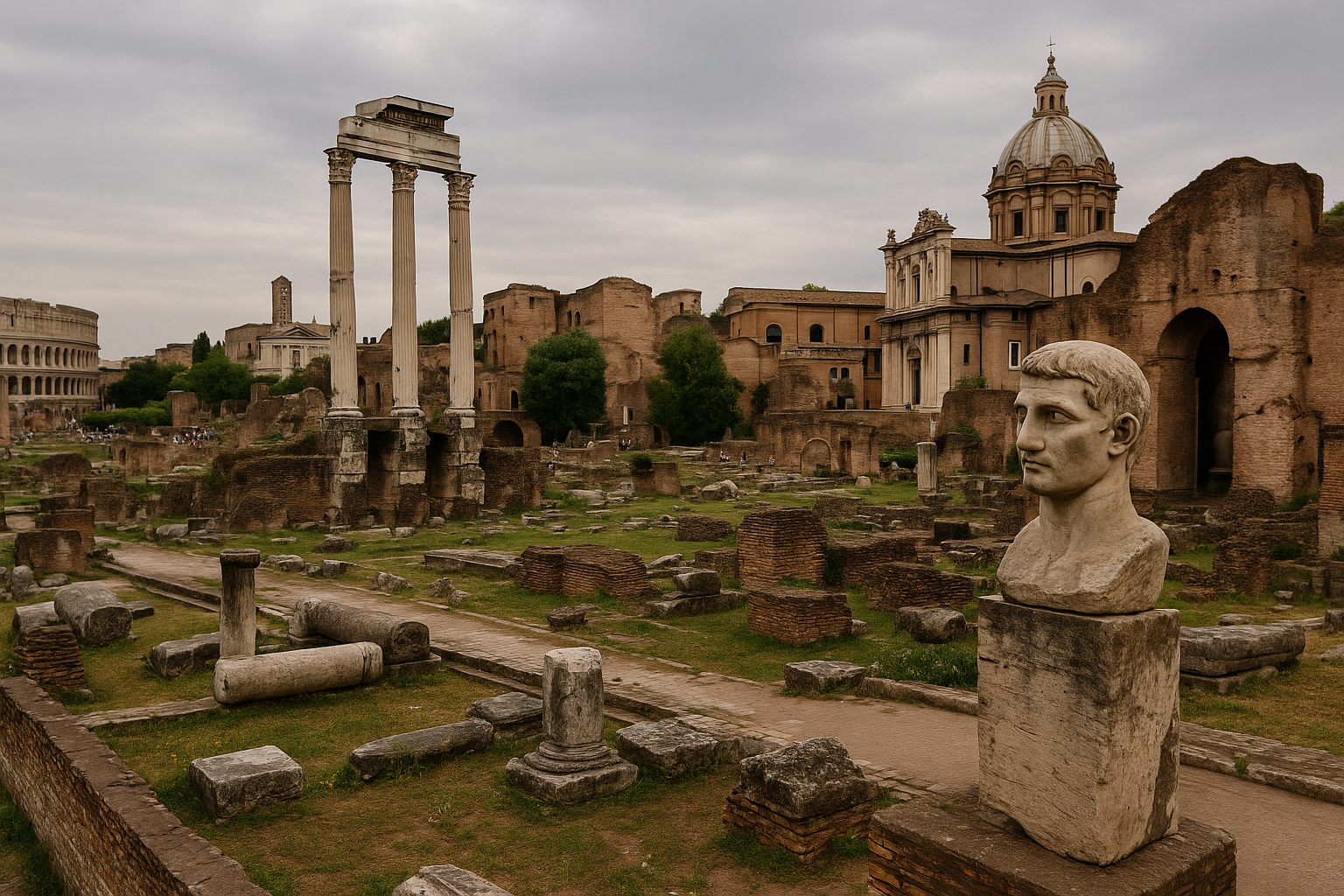
As empires grew, the tools and systems that fueled their success occasionally became burdensome. Highly specialized technologies often required skilled labor, expensive resources, or constant upgrades. The Roman Empire, for example, relied on vast engineering networks that became difficult to maintain as political stability declined. When innovation no longer matched the scale of the empire’s infrastructure, the systems that once signaled power became liabilities, draining resources and weakening resilience.

Cultural Stagnation and Resistance to Change

Innovation thrives in environments that welcome experimentation and adaptation. Many empires fell when their cultural or political institutions resisted change, believing their dominance would endure without further evolution. This rigidity allowed rivals to surpass them with more efficient technologies or modernized strategies. When innovation shifted outside their borders, once-great powers found themselves unable to compete, leading to gradual decline and eventual collapse.

Disruption Triggered by Uneven Advancement

Not all innovations strengthen a society; some create internal imbalances that destabilize it. Economic disruptions, shifting class dynamics, or the concentration of technological power in the hands of a few often contributed to widening inequalities. These internal tensions weakened social cohesion and made empires more vulnerable to external challenges. When innovation benefited only select groups, widespread dissatisfaction and unrest often followed.

Conclusion

Innovation can be the engine of progress or the spark that reveals hidden weaknesses. The fall of great empires throughout history shows that the rise and decline of civilizations depend not just on the creation of new ideas, but on the ability to manage them wisely. When innovation outpaces stability—or when societies fail to evolve alongside their own advancements—the foundations that once seemed strong can begin to crumble.

Previous Post

How Warfare Evolved from Spears to Cyberweapons

Next Post

How Ancient Laws Built the Foundations of Modern Justice

Related Posts

Anne Bonny: The Pirate Who Broke Rules and Expectations
History

Anne Bonny: The Pirate Who Broke Rules and Expectations

September 15, 2026
How the Crystal Palace Turned Glass and Iron into a Modern Stage
History

How the Crystal Palace Turned Glass and Iron into a Modern Stage

September 15, 2026
Mary Anning and the Coast That Revealed Lost Worlds
History

Mary Anning and the Coast That Revealed Lost Worlds

September 15, 2026
When Mount Pelée Erased Saint-Pierre, 1902
History

When Mount Pelée Erased Saint-Pierre, 1902

September 15, 2026
Next Post
How Ancient Laws Built the Foundations of Modern Justice

How Ancient Laws Built the Foundations of Modern Justice

Search..

No Result
View All Result

Recent Articles

The Disguise That Broke Chains: Ellen and William Craft

The Disguise That Broke Chains: Ellen and William Craft

September 15, 2026
Bass Reeves: The Marshal Who Hunted Outlaws in Indian Territory

Bass Reeves: The Marshal Who Hunted Outlaws in Indian Territory

September 15, 2026
How the Crystal Palace Turned Glass and Iron into a Modern Stage

How the Crystal Palace Turned Glass and Iron into a Modern Stage

September 15, 2026
Anne Bonny: The Pirate Who Broke Rules and Expectations

Anne Bonny: The Pirate Who Broke Rules and Expectations

September 15, 2026
How Haiti Broke Its Chains: A 1791–1804 Timeline

How Haiti Broke Its Chains: A 1791–1804 Timeline

September 15, 2026

Subscribe Us

By clicking submit, I authorize History Ours and its affiliated companies to: (1) use, sell, and share my information for marketing purposes, including cross-context behavioral advertising, as described in our Terms of Service and Privacy Policy, (2) supplement the information that I provide with additional information lawfully obtained from other sources, like demographic data from public sources, interests inferred from web page views, or other data relevant to what might interest me, like past purchase or location data, (3) contact me or enable others to contact me by email with offers for goods and services from any category at the email address provided, and (4) retain my information while I am engaging with marketing messages that I receive and for a reasonable amount of time thereafter. I understand I can opt out at any time through an email that I receive, or by clicking here

Subscribe To Our Newsletter

By clicking submit, I authorize History Ours and its affiliated companies to: (1) use, sell, and share my information for marketing purposes, including cross-context behavioral advertising, as described in our Terms of Service and Privacy Policy, (2) supplement the information that I provide with additional information lawfully obtained from other sources, like demographic data from public sources, interests inferred from web page views, or other data relevant to what might interest me, like past purchase or location data, (3) contact me or enable others to contact me by email with offers for goods and services from any category at the email address provided, and (4) retain my information while I am engaging with marketing messages that I receive and for a reasonable amount of time thereafter. I understand I can opt out at any time through an email that I receive, or by clicking here.

© 2026 History Ours | All Rights Reserved

  • Contact Us
  • Privacy Policy
  • Terms of Service
  • Unsubscribe
  • Privacy Choices
  • Contact Us
  • Privacy Policy
  • Terms of Service
  • Unsubscribe
  • Privacy Choices

© 2026 History Ours | All Rights Reserved

No Result
View All Result
  • Home
  • History
  • Biographies
  • Eras
  • Regions
  • Timeline

© 2026 History Ours | All Rights Reserved

Skip to content
Open toolbar Accessibility Tools

Accessibility Tools

  • Increase TextIncrease Text
  • Decrease TextDecrease Text
  • GrayscaleGrayscale
  • High ContrastHigh Contrast
  • Negative ContrastNegative Contrast
  • Light BackgroundLight Background
  • Links UnderlineLinks Underline
  • Readable FontReadable Font
  • Reset Reset