Uncover History’s Secrets with Daily Updates!
Daily News Entertainment
  • Home
  • History
  • Biographies
  • Eras
  • Regions
  • Timeline
No Result
View All Result
History Ours
  • Home
  • History
  • Biographies
  • Eras
  • Regions
  • Timeline
No Result
View All Result
History Ours
No Result
View All Result
Home History

The Role of Storytelling in Preserving History

in History
The Role of Storytelling in Preserving History

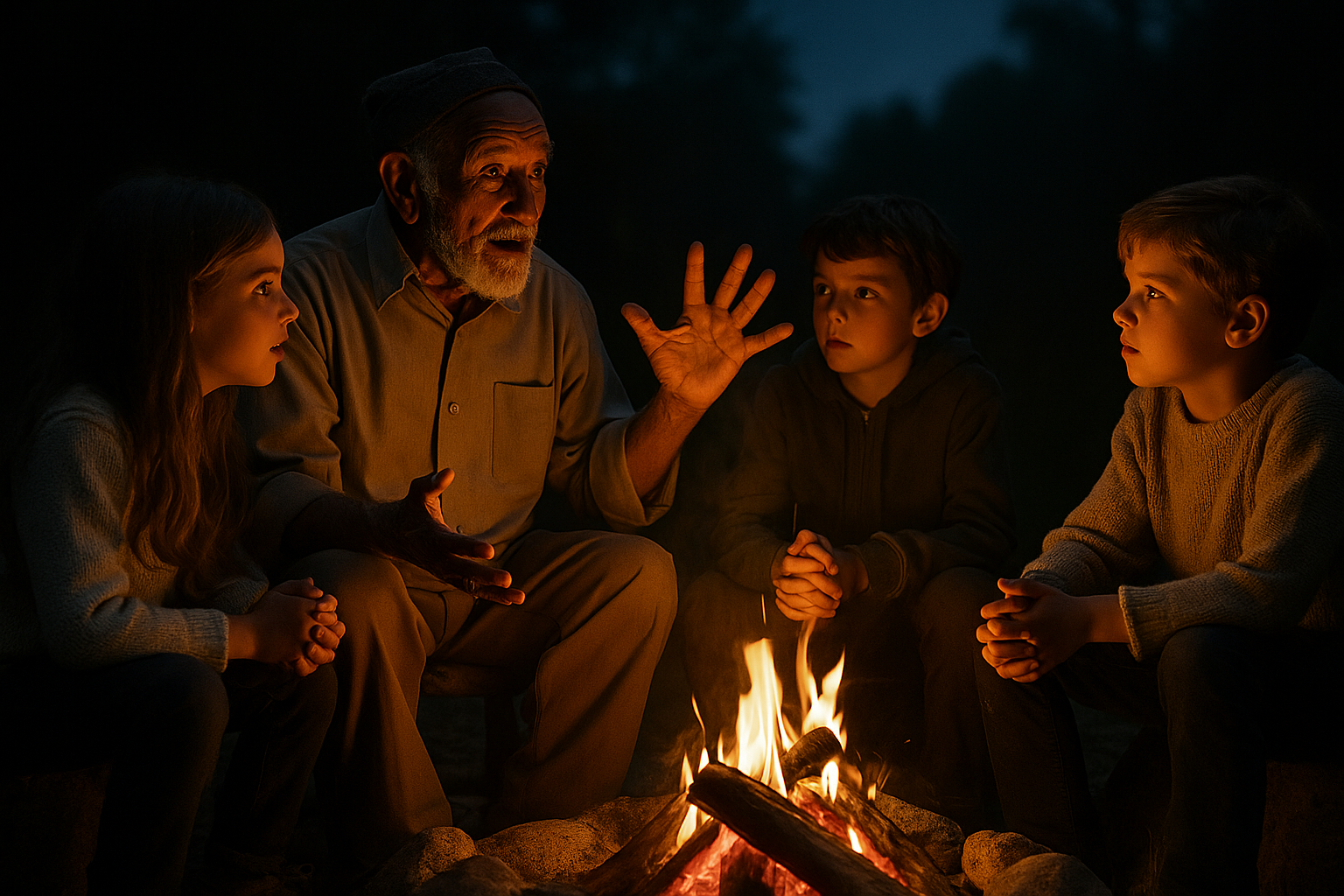
Long before written records, history lived in the spoken word. Around campfires, in temples, and through generations, stories carried the wisdom, triumphs, and struggles of humanity. Storytelling is one of the oldest and most enduring tools for preserving the past — a bridge that connects memory to meaning. It doesn’t just document events; it brings them to life, ensuring that the lessons of history remain vibrant, personal, and deeply human.

From Oral Tradition to Written Record

Before books, libraries, or archives existed, oral storytelling was the world’s living memory. Elders, bards, and poets were the keepers of culture, passing down knowledge through tales that combined fact with myth. These stories taught moral lessons, reinforced values, and recorded major events — from battles and migrations to the origins of communities. Over time, oral narratives evolved into written texts, but their essence remained the same: to make history memorable, relatable, and alive.

The Power of Narrative Memory

What sets storytelling apart from simple record-keeping is its emotional depth. Stories transform facts into experiences. They give history a heartbeat by framing events through human perspective — who felt, feared, and hoped. Through storytelling, listeners don’t just learn what happened; they understand why it mattered. That emotional connection ensures that even when details fade, meaning endures. It’s why ancient myths, folklore, and family tales remain powerful centuries later — because they connect us to shared humanity.

Storytelling as Cultural Identity

Every culture tells its story differently, but the purpose is universal: to define who we are. Storytelling preserves languages, traditions, and beliefs that might otherwise disappear. Indigenous communities around the world, for example, continue to use oral histories to protect ancestral knowledge and environmental wisdom. Family stories, too, keep personal histories alive — teaching future generations where they come from and what values shaped their journey. In this way, storytelling is both a cultural anchor and a map for the future.

Modern Storytellers: Keeping the Past Alive

Today, the role of storyteller has expanded beyond oral tradition. Filmmakers, authors, historians, and digital creators all play a part in preserving the past. Documentaries, podcasts, and interactive archives blend technology with narrative to bring history to wider audiences. Through digital storytelling, voices once silenced or forgotten can now be heard globally. Modern platforms don’t replace ancient traditions — they extend them, ensuring that the collective memory of humanity continues to grow and diversify.

The Responsibility of the Storyteller

With great power comes great responsibility. Storytellers shape how history is remembered — and sometimes, how it’s misunderstood. The way a story is told can influence identity, politics, and belief. This is why accuracy, empathy, and inclusivity matter in every retelling. By giving space to multiple perspectives, storytelling ensures that history reflects not just the powerful, but also the voices of those who endured, resisted, and dreamed.

Conclusion
Storytelling is more than art — it’s a form of preservation. It captures the soul of history, transforming memory into meaning and fact into feeling. Whether spoken, written, or recorded, stories remind us where we’ve been and guide us toward where we’re going. In keeping history alive through narrative, we keep humanity connected — one story, one voice, one memory at a time.

Previous Post

Historical Myths That Turned Out to Be True

Next Post

Mother Teresa: Compassion Beyond Borders

Related Posts

How the Crystal Palace Turned Glass and Iron into a Modern Stage
History

How the Crystal Palace Turned Glass and Iron into a Modern Stage

September 15, 2026
Anne Bonny: The Pirate Who Broke Rules and Expectations
History

Anne Bonny: The Pirate Who Broke Rules and Expectations

September 15, 2026
Mary Anning and the Coast That Revealed Lost Worlds
History

Mary Anning and the Coast That Revealed Lost Worlds

September 15, 2026
When Mount Pelée Erased Saint-Pierre, 1902
History

When Mount Pelée Erased Saint-Pierre, 1902

September 15, 2026
Next Post
Mother Teresa: Compassion Beyond Borders

Mother Teresa: Compassion Beyond Borders

Search..

No Result
View All Result

Recent Articles

The Disguise That Broke Chains: Ellen and William Craft

The Disguise That Broke Chains: Ellen and William Craft

September 15, 2026
Bass Reeves: The Marshal Who Hunted Outlaws in Indian Territory

Bass Reeves: The Marshal Who Hunted Outlaws in Indian Territory

September 15, 2026
How the Crystal Palace Turned Glass and Iron into a Modern Stage

How the Crystal Palace Turned Glass and Iron into a Modern Stage

September 15, 2026
Anne Bonny: The Pirate Who Broke Rules and Expectations

Anne Bonny: The Pirate Who Broke Rules and Expectations

September 15, 2026
How Haiti Broke Its Chains: A 1791–1804 Timeline

How Haiti Broke Its Chains: A 1791–1804 Timeline

September 15, 2026

Subscribe Us

By clicking submit, I authorize History Ours and its affiliated companies to: (1) use, sell, and share my information for marketing purposes, including cross-context behavioral advertising, as described in our Terms of Service and Privacy Policy, (2) supplement the information that I provide with additional information lawfully obtained from other sources, like demographic data from public sources, interests inferred from web page views, or other data relevant to what might interest me, like past purchase or location data, (3) contact me or enable others to contact me by email with offers for goods and services from any category at the email address provided, and (4) retain my information while I am engaging with marketing messages that I receive and for a reasonable amount of time thereafter. I understand I can opt out at any time through an email that I receive, or by clicking here

Subscribe To Our Newsletter

By clicking submit, I authorize History Ours and its affiliated companies to: (1) use, sell, and share my information for marketing purposes, including cross-context behavioral advertising, as described in our Terms of Service and Privacy Policy, (2) supplement the information that I provide with additional information lawfully obtained from other sources, like demographic data from public sources, interests inferred from web page views, or other data relevant to what might interest me, like past purchase or location data, (3) contact me or enable others to contact me by email with offers for goods and services from any category at the email address provided, and (4) retain my information while I am engaging with marketing messages that I receive and for a reasonable amount of time thereafter. I understand I can opt out at any time through an email that I receive, or by clicking here.

© 2026 History Ours | All Rights Reserved

  • Contact Us
  • Privacy Policy
  • Terms of Service
  • Unsubscribe
  • Privacy Choices
  • Contact Us
  • Privacy Policy
  • Terms of Service
  • Unsubscribe
  • Privacy Choices

© 2026 History Ours | All Rights Reserved

No Result
View All Result
  • Home
  • History
  • Biographies
  • Eras
  • Regions
  • Timeline

© 2026 History Ours | All Rights Reserved

Skip to content
Open toolbar Accessibility Tools

Accessibility Tools

  • Increase TextIncrease Text
  • Decrease TextDecrease Text
  • GrayscaleGrayscale
  • High ContrastHigh Contrast
  • Negative ContrastNegative Contrast
  • Light BackgroundLight Background
  • Links UnderlineLinks Underline
  • Readable FontReadable Font
  • Reset Reset