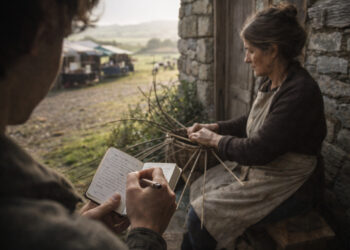
Regional heritage is shaped as much by daily rhythms as by landmark events.
Communities preserve meaning in routines, stories, and the built environment around them.
Focusing on everyday heritage reveals how identity is negotiated over time.
This perspective helps communities value small practices alongside monuments.
Historical Context
Understanding regional identity requires tracing layers of change in place, language, migration, and occupation.
Local archives, oral histories, and material culture each contribute pieces of that layered story across time.
Everyday objects like tools, markets, and domestic spaces illustrate continuity, adaptation, and creative reuse.
Landscape features and infrastructure investments reveal economic shifts and social priorities historically.
Interpreting these traces offers a textured account that complements and complicates formal political narratives.
Historic context grounds efforts to document and share local heritage effectively.
It enables practitioners to weigh which features to preserve and why.
Such grounding fosters respectful storytelling that honors lived experiences.
Regional Practices and Memory
Rituals, seasonal work, culinary habits, and neighborhood gatherings carry memory across generations and anchor belonging.
These practices encode practical knowledge about resource management, kinship networks, and local values that are otherwise invisible.
Recording how communities perform these traditions helps reveal what residents prioritize, resist, or reinvent.
Paying attention to variation within a region prevents flattening diverse experiences into a single, simplistic story.
Mapping these practices alongside demographic and environmental changes helps explain why some traditions persist while others fade.
Ethnographic methods and participatory projects are especially useful for capturing living traditions in situ.
Engaging residents as partners ensures the narratives reflect local perspectives rather than outside assumptions.
This approach also builds capacity for communities to steward their own heritage long-term.
Preserving Local Narratives
Preservation strategies should be flexible, combining physical conservation with digital documentation and interpretive programming.
Small museums, community archives, oral recording programs, and open-access databases create complementary repositories.
Education initiatives that integrate local histories into school curricula and public programming strengthen intergenerational ties.
Funding models that prioritize grassroots projects and technical support make stewardship feasible for smaller communities.
Policy frameworks should recognize intangible practices as worthy of support alongside material monuments.
Collaboration between institutions and communities builds trust, relevance, and practical solutions.
Simple actions—story nights, photo projects, map-making, and walking tours—can have outsized impact on awareness.
Over time those practices form durable cultural infrastructure that supports regional identity.
Conclusion
Embracing everyday heritage deepens understanding of how regions live, adapt, and change over time.
Practical preservation blends documentation, education, community leadership, and responsive policy.
Supporting local stories ensures more inclusive, resilient regional identities that can guide future planning.