Uncover History’s Secrets with Daily Updates!
Daily News Entertainment
  • Home
  • History
  • Biographies
  • Eras
  • Regions
  • Timeline
No Result
View All Result
History Ours
  • Home
  • History
  • Biographies
  • Eras
  • Regions
  • Timeline
No Result
View All Result
History Ours
No Result
View All Result
Home History

Unearthing Everyday Sources for Local Historical Research

in History
Unearthing Everyday Sources for Local Historical Research

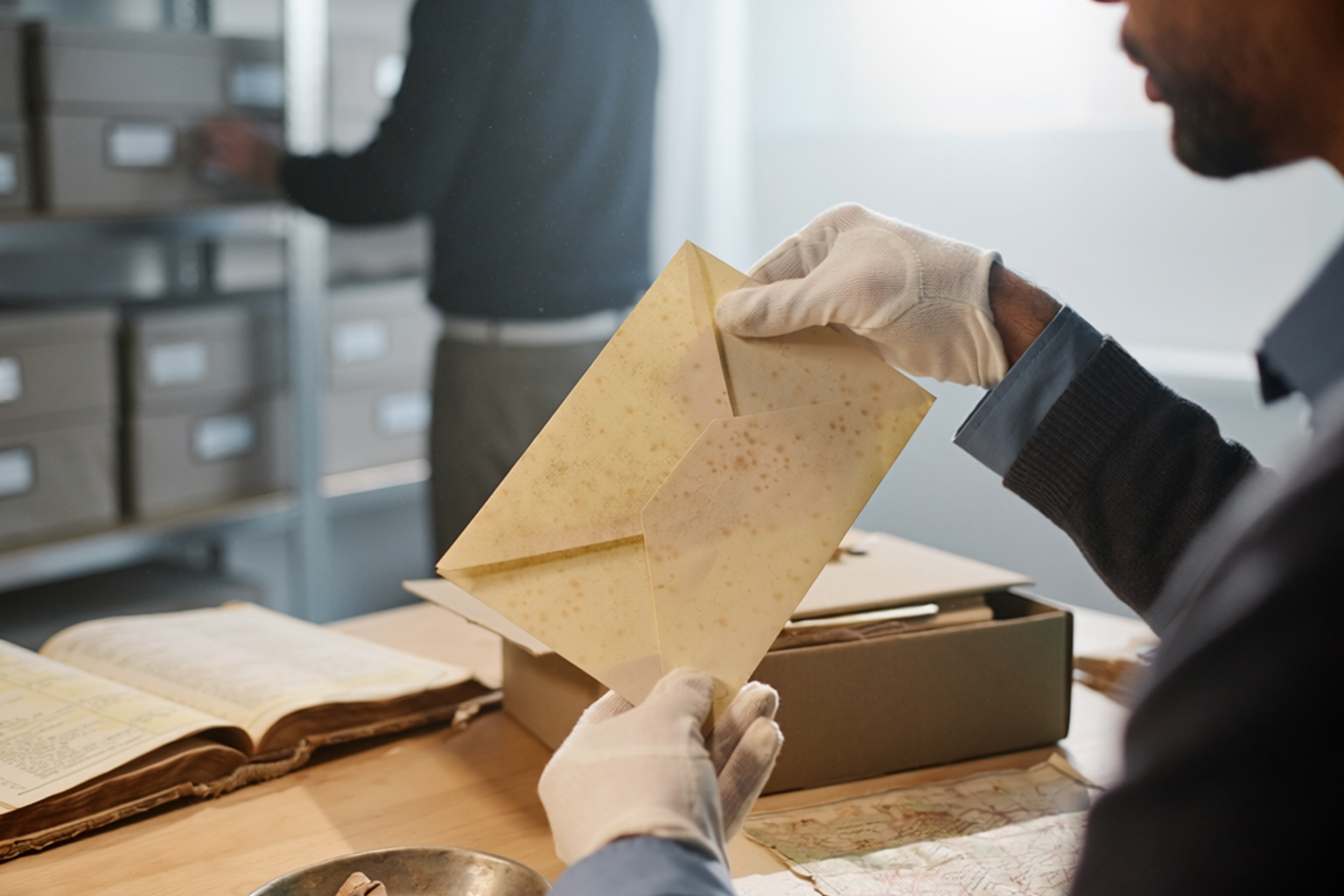
Local history thrives on sources that are often overlooked: letters tucked in attics, routine municipal logs, or neighborhood newspapers. These materials reveal daily life, social networks, and small-scale change in ways monumental archives cannot. Working with everyday sources requires attention to context, provenance, and gaps in the record. This approach offers richer, more inclusive narratives about communities and their pasts.

Reading Local Records

Municipal records, such as property deeds, council minutes, and tax lists, are foundational for reconstructing neighborhoods and occupations. They can track migration patterns, land use shifts, or the emergence of civic institutions over decades. Interpreting these documents demands patience; entries were often procedural and omit the human stories behind decisions. Cross-referencing them with newspapers or directories can illuminate the people who appear only as names on a ledger. Local archives sometimes hold unexpected personal annotations that reveal attitudes and routines.

These records are most valuable when treated as part of a network of sources rather than standalone proof. They often point researchers toward personal collections or oral traditions that complete the picture.

Oral Histories and Material Culture

Oral history captures emotions, customs, and meanings that written sources rarely record, making it indispensable for community histories. Interviews must be conducted ethically, with attention to memory’s limits and the interviewee’s perspective. Material culture—household items, signage, clothing—adds tangible evidence of everyday life and can validate or complicate spoken accounts. Together, these sources enrich narratives with texture and nuance. When paired with maps or family trees, interviews can reorient timelines and relationships.

Careful documentation and proper archiving of interviews and objects ensure future access and interpretation. Community partnerships often facilitate this process and build local stewardship of history.

Digital Tools and Community Engagement

Digital tools, from mapping platforms to crowd-sourced transcription projects, have expanded access to small-scale sources and enabled new forms of analysis. Community volunteers can transcribe diaries, tag photographs, or contribute memories that transform isolated items into searchable datasets. Digital platforms also invite collaborative curation, letting residents shape how their stories are presented. Still, digital efforts require thoughtful metadata and preservation plans to remain useful long term. Open-source standards and clear licensing also matter for reuse.

Balancing accessibility with accuracy is crucial when launching public digital projects. Sustainable practices help ensure that community contributions endure beyond initial enthusiasm.

Conclusion

Everyday sources foreground the ordinary people who shape local histories and offer pathways to more inclusive research. Combining municipal records, oral testimony, material culture, and digital collaboration produces layered, resilient narratives. Scholars and communities both benefit when these sources are collected thoughtfully and shared responsibly.


Previous Post

Designing Effective Historical Timelines for Better Understanding

Next Post

Conserving Forgotten Voices: Everyday Sources for Local History

Related Posts

How the Crystal Palace Turned Glass and Iron into a Modern Stage
History

How the Crystal Palace Turned Glass and Iron into a Modern Stage

September 15, 2026
Anne Bonny: The Pirate Who Broke Rules and Expectations
History

Anne Bonny: The Pirate Who Broke Rules and Expectations

September 15, 2026
Mary Anning and the Coast That Revealed Lost Worlds
History

Mary Anning and the Coast That Revealed Lost Worlds

September 15, 2026
When Mount Pelée Erased Saint-Pierre, 1902
History

When Mount Pelée Erased Saint-Pierre, 1902

September 15, 2026
Next Post
Conserving Forgotten Voices: Everyday Sources for Local History

Conserving Forgotten Voices: Everyday Sources for Local History

Search..

No Result
View All Result

Recent Articles

Edo: Japan’s Urban Revolution of Lanterns and Printshops

Edo: Japan’s Urban Revolution of Lanterns and Printshops

September 16, 2026
How the Little Ice Age Changed Everyday Life in Europe

How the Little Ice Age Changed Everyday Life in Europe

September 16, 2026
The Disguise That Broke Chains: Ellen and William Craft

The Disguise That Broke Chains: Ellen and William Craft

September 15, 2026
Bass Reeves: The Marshal Who Hunted Outlaws in Indian Territory

Bass Reeves: The Marshal Who Hunted Outlaws in Indian Territory

September 15, 2026
How the Crystal Palace Turned Glass and Iron into a Modern Stage

How the Crystal Palace Turned Glass and Iron into a Modern Stage

September 15, 2026

Subscribe Us

By clicking submit, I authorize History Ours and its affiliated companies to: (1) use, sell, and share my information for marketing purposes, including cross-context behavioral advertising, as described in our Terms of Service and Privacy Policy, (2) supplement the information that I provide with additional information lawfully obtained from other sources, like demographic data from public sources, interests inferred from web page views, or other data relevant to what might interest me, like past purchase or location data, (3) contact me or enable others to contact me by email with offers for goods and services from any category at the email address provided, and (4) retain my information while I am engaging with marketing messages that I receive and for a reasonable amount of time thereafter. I understand I can opt out at any time through an email that I receive, or by clicking here

Subscribe To Our Newsletter

By clicking submit, I authorize History Ours and its affiliated companies to: (1) use, sell, and share my information for marketing purposes, including cross-context behavioral advertising, as described in our Terms of Service and Privacy Policy, (2) supplement the information that I provide with additional information lawfully obtained from other sources, like demographic data from public sources, interests inferred from web page views, or other data relevant to what might interest me, like past purchase or location data, (3) contact me or enable others to contact me by email with offers for goods and services from any category at the email address provided, and (4) retain my information while I am engaging with marketing messages that I receive and for a reasonable amount of time thereafter. I understand I can opt out at any time through an email that I receive, or by clicking here.

© 2026 History Ours | All Rights Reserved

  • Contact Us
  • Privacy Policy
  • Terms of Service
  • Unsubscribe
  • Privacy Choices
  • Contact Us
  • Privacy Policy
  • Terms of Service
  • Unsubscribe
  • Privacy Choices

© 2026 History Ours | All Rights Reserved

No Result
View All Result
  • Home
  • History
  • Biographies
  • Eras
  • Regions
  • Timeline

© 2026 History Ours | All Rights Reserved

Skip to content
Open toolbar Accessibility Tools

Accessibility Tools

  • Increase TextIncrease Text
  • Decrease TextDecrease Text
  • GrayscaleGrayscale
  • High ContrastHigh Contrast
  • Negative ContrastNegative Contrast
  • Light BackgroundLight Background
  • Links UnderlineLinks Underline
  • Readable FontReadable Font
  • Reset Reset