
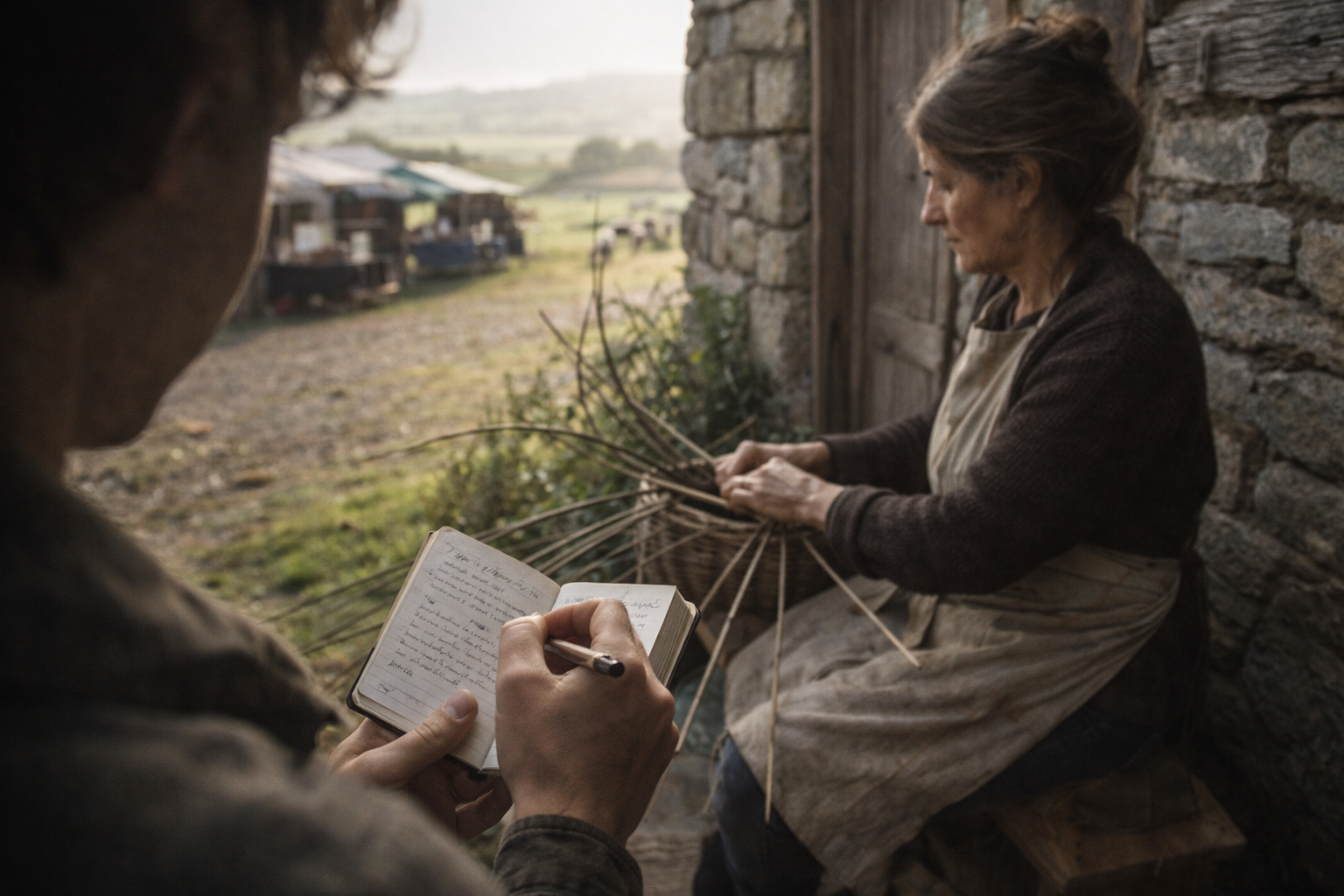
Regions are shaped as much by routine actions as by formal events, and their histories often live in commonplace places. Scholars and communities who study regions discover meaning in fields, markets, streets, and domestic spaces. Paying attention to everyday landscapes reveals how identities are formed, contested, and sustained across generations. This approach brings together material traces, oral accounts, and habitual practices to map a region’s layered past.
Layers of Local Memory
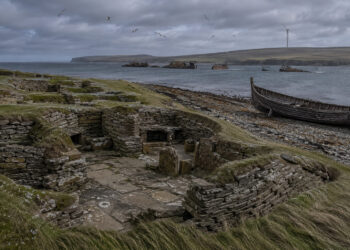
Local memory accumulates in visible and invisible ways, from reused building materials to place names and seasonal rhythms. Physical features like hedgerows, road alignments, and market squares can preserve earlier land uses and social arrangements. Equally important are practices that leave no monument: patterns of speech, craft techniques, and ritual timings carry stories about migration, exchange, and adaptation. Reading these layers requires attention to continuity and change, and to the actors—families, guilds, institutions—who shaped them.
Interpreting layered memory benefits from combining close observation with broader contextual research. Fieldwork can reveal traces overlooked by conventional archives, while documentary sources help situate those traces in time. Together they create a richer, more nuanced regional narrative.
Everyday Practices and Regional Identity
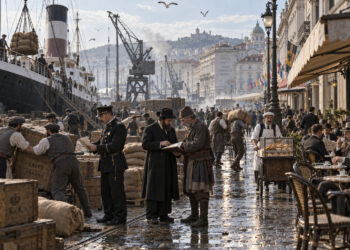
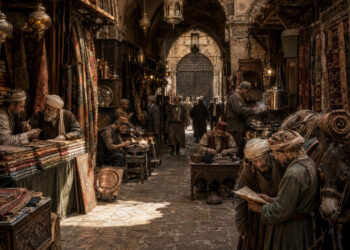
Daily routines anchor people to place and reproduce regional identity across ordinary life. Foodways, markets, labor patterns, and seasonal festivals embed social relations into the landscape, reinforcing a sense of belonging. When practices persist, they become reference points for communal memory; when they change, they signal social and economic shifts. Paying attention to practice highlights how people actively make region rather than passively inherit it.
- Market cycles that organize rural and urban exchange.
- Craft and skill transmission across generations.
- Spatial habits like walking routes or common grazing.
These everyday elements show how culture is lived and negotiated. They also point researchers to micro-histories that illuminate larger processes of regional change.
Sources and Methods for Studying Regions
Studying regions calls for methodological variety: oral histories capture memory and emotion, material culture reveals use and modification, and maps track shifting boundaries and networks. Combining interviews, artifact analysis, and spatial data allows researchers to cross-check narratives and detect incongruities. Participatory methods that engage local communities also surface knowledge otherwise absent from official records. This collaborative stance enhances both the ethical and evidentiary basis of regional studies.
Methodological pluralism helps recover neglected voices and everyday practices. It also equips scholars to produce regionally grounded histories that speak to present-day concerns.
Conclusion
Focusing on everyday landscapes and practices makes regions legible in new ways. It connects material traces with lived experience to form layered, dynamic histories. This orientation enriches understanding and invites inclusive, place-based inquiry.