Uncover History’s Secrets with Daily Updates!
Daily News Entertainment
  • Home
  • History
  • Biographies
  • Eras
  • Regions
  • Timeline
No Result
View All Result
History Ours
  • Home
  • History
  • Biographies
  • Eras
  • Regions
  • Timeline
No Result
View All Result
History Ours
No Result
View All Result
Home Regions

Mapping Community Memory: Regions and Everyday Heritage

in Regions
Mapping Community Memory: Regions and Everyday Heritage

Regional history is more than a timeline of major events; it is woven from everyday places, practices, and relationships. Attending to the ordinary — markets, schools, lanes, family stories — reveals how communities shape and are shaped by their surroundings. This piece outlines methods for researching regional life with attention to both material and living sources. It aims to help local historians, educators, and curious readers connect research practices to the rhythms of place.

Understanding Regional Identity

Regional identity develops through overlapping layers: landscape, economic patterns, linguistic habits, and institutional life. A region might be defined by a valley, a trade route, a dialect, or shared forms of labour, and these elements interact to produce a sense of belonging. Looking for continuities and ruptures across generations helps reveal how identities adapt to broader social and environmental changes. Comparative thinking — placing one locality beside another — can clarify what is distinctive and what is shared.

Begin by mapping landmarks and institutions that recur in records and memories, then trace changes over time. This grounded approach keeps research anchored in place while remaining attentive to wider connections.

Local Sources and Everyday Life

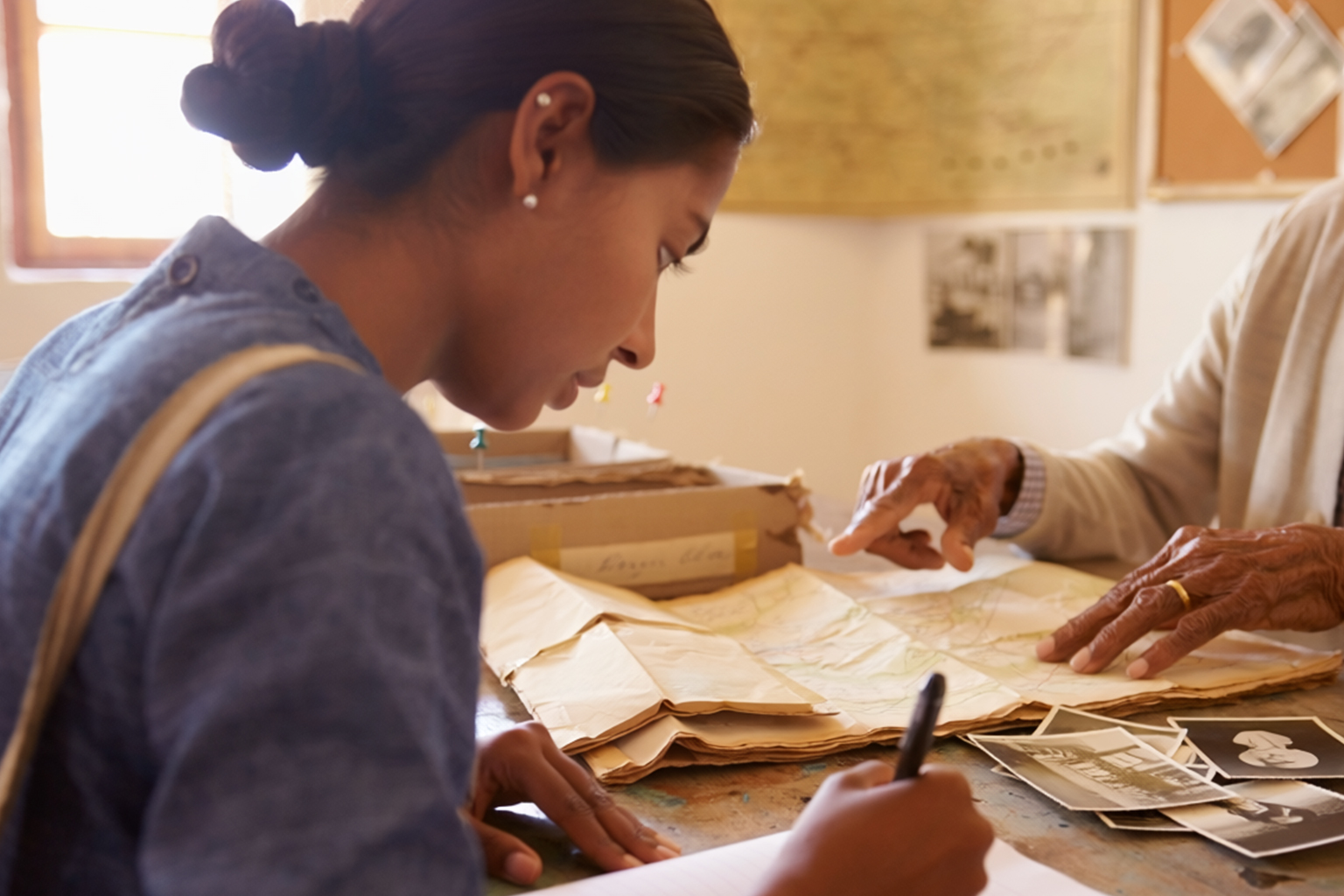
Everyday life is best recovered through a mix of written, oral, and material sources that speak to routine activities. Parish registers, school logbooks, estate records, and municipal minutes often record mundane transactions that expose social networks and economic rhythms. Oral histories capture practices and meanings that do not appear on paper, while photographs and objects offer tangible traces of domestic and public life. Combining these sources produces a textured picture of how people lived and experienced change.

  • Archival documents: tax rolls, maps, and local newspapers for institutional context.
  • Oral interviews: life histories and community memories collected with care.
  • Material culture: buildings, tools, garments, and photographed scenes that show everyday practice.

Prioritize sources that illuminate ordinary routines and everyday landscapes, and document provenance carefully. Ethical listening and transparent methodology strengthen the credibility of community-centered histories.

Preserving and Sharing Regional Stories

Effective preservation mixes conservation, access, and interpretation so that stories remain available to the community and researchers. Digitization projects, small exhibitions, and local publications can extend reach, while workshops and school partnerships foster intergenerational exchange. Interpretation should foreground diverse voices and avoid simplifying complex pasts into single narratives. Collaborative projects that involve residents from the start produce more inclusive and sustainable outcomes.

Plan for long-term stewardship by documenting processes and creating clear access guidelines. Sharing results in multiple formats — talks, online galleries, walking guides — helps regional history remain alive and useful.

Conclusion

Researching regional history through everyday life reveals how people create meaning in specific places. Combining archival, oral, and material evidence produces richer, more humane narratives. Careful preservation and community collaboration ensure these stories inform present and future life.
Previous Post

Cultivating Regional Identity Through Everyday Heritage

Next Post

Mapping Time: Building Clear Historical Timelines for Learning

Related Posts

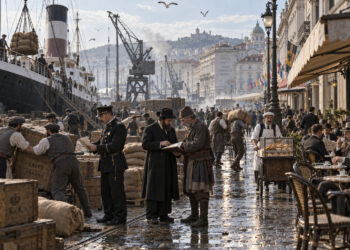
Trieste: A Port at the Edge of Empires
Regions

Trieste: A Port at the Edge of Empires

September 15, 2026
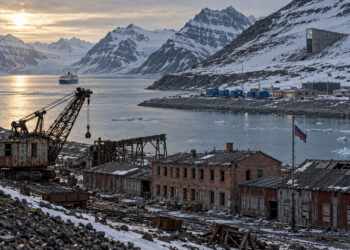
Svalbard: How a Frozen Archipelago Became an International Outpost
Regions

Svalbard: How a Frozen Archipelago Became an International Outpost

September 15, 2026
Orkney: Where Norse Law and Scottish Life Intertwined
Regions

Orkney: Where Norse Law and Scottish Life Intertwined

September 15, 2026
Inside the Covered Streets: The Grand Bazaar and Istanbul’s Life
Regions

Inside the Covered Streets: The Grand Bazaar and Istanbul’s Life

September 15, 2026
Next Post
Mapping Time: Building Clear Historical Timelines for Learning

Mapping Time: Building Clear Historical Timelines for Learning

Search..

No Result
View All Result

Recent Articles

The Disguise That Broke Chains: Ellen and William Craft

The Disguise That Broke Chains: Ellen and William Craft

September 15, 2026
Bass Reeves: The Marshal Who Hunted Outlaws in Indian Territory

Bass Reeves: The Marshal Who Hunted Outlaws in Indian Territory

September 15, 2026
How the Crystal Palace Turned Glass and Iron into a Modern Stage

How the Crystal Palace Turned Glass and Iron into a Modern Stage

September 15, 2026
Anne Bonny: The Pirate Who Broke Rules and Expectations

Anne Bonny: The Pirate Who Broke Rules and Expectations

September 15, 2026
How Haiti Broke Its Chains: A 1791–1804 Timeline

How Haiti Broke Its Chains: A 1791–1804 Timeline

September 15, 2026

Subscribe Us

By clicking submit, I authorize History Ours and its affiliated companies to: (1) use, sell, and share my information for marketing purposes, including cross-context behavioral advertising, as described in our Terms of Service and Privacy Policy, (2) supplement the information that I provide with additional information lawfully obtained from other sources, like demographic data from public sources, interests inferred from web page views, or other data relevant to what might interest me, like past purchase or location data, (3) contact me or enable others to contact me by email with offers for goods and services from any category at the email address provided, and (4) retain my information while I am engaging with marketing messages that I receive and for a reasonable amount of time thereafter. I understand I can opt out at any time through an email that I receive, or by clicking here

Subscribe To Our Newsletter

By clicking submit, I authorize History Ours and its affiliated companies to: (1) use, sell, and share my information for marketing purposes, including cross-context behavioral advertising, as described in our Terms of Service and Privacy Policy, (2) supplement the information that I provide with additional information lawfully obtained from other sources, like demographic data from public sources, interests inferred from web page views, or other data relevant to what might interest me, like past purchase or location data, (3) contact me or enable others to contact me by email with offers for goods and services from any category at the email address provided, and (4) retain my information while I am engaging with marketing messages that I receive and for a reasonable amount of time thereafter. I understand I can opt out at any time through an email that I receive, or by clicking here.

© 2026 History Ours | All Rights Reserved

  • Contact Us
  • Privacy Policy
  • Terms of Service
  • Unsubscribe
  • Privacy Choices
  • Contact Us
  • Privacy Policy
  • Terms of Service
  • Unsubscribe
  • Privacy Choices

© 2026 History Ours | All Rights Reserved

No Result
View All Result
  • Home
  • History
  • Biographies
  • Eras
  • Regions
  • Timeline

© 2026 History Ours | All Rights Reserved

Skip to content
Open toolbar Accessibility Tools

Accessibility Tools

  • Increase TextIncrease Text
  • Decrease TextDecrease Text
  • GrayscaleGrayscale
  • High ContrastHigh Contrast
  • Negative ContrastNegative Contrast
  • Light BackgroundLight Background
  • Links UnderlineLinks Underline
  • Readable FontReadable Font
  • Reset Reset