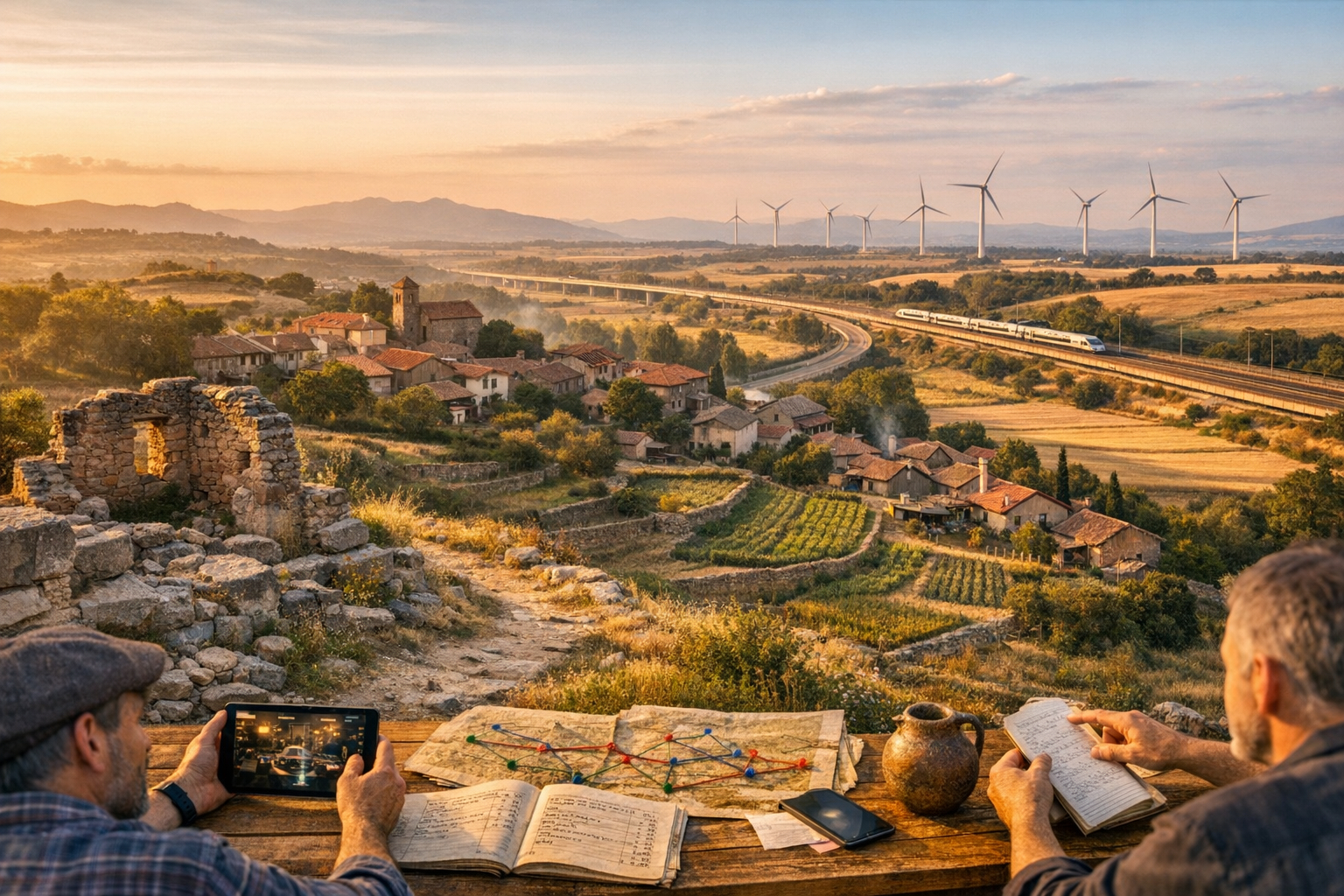
Regions carry traces of many eras: settlements, trade routes, administrative changes, and cultural exchanges that shaped local identity. Studying a region means reading layers left on the land and in local practices, architecture, and language. This article explores how historical forces interact to form enduring regional characteristics. Understanding that process helps clarify why places still matter culturally and politically. It outlines methods for reading those layers across time.
Historical Foundations
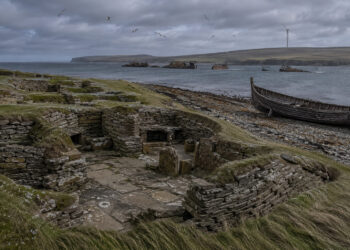
Early settlement patterns and natural geography establish the first durable layer of a region’s identity. Rivers, mountains, and soil types guided where communities formed and what economies developed, anchoring cultural habits over centuries. Archaeological sites, old maps, and tax records reveal how initial infrastructural choices had long-term effects. Those foundations persist even when political borders shift.
Recognizing these roots prevents overemphasis on recent events alone. It frames later developments as part of a longer story.
Cultural Interactions
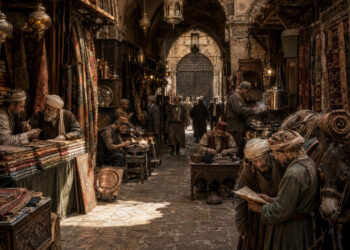
Trade, migration, and religious exchange create a second layer of influence that often blurs neat regional categories. Markets and pilgrimage routes introduced new technologies, crafts, and vocabulary that local populations adapted. Folk traditions frequently hybridized incoming elements with existing customs, producing unique local expressions. Cultural landmarks thus reflect both continuity and adaptation.
These hybrid forms can become defining features of a region. They also offer clues to past connections beyond present boundaries.
Economic and Political Shifts
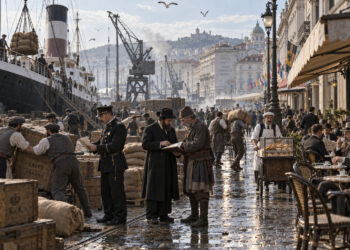
Economic transformations and administrative reforms can accelerate change or reinforce existing patterns. Industrialization, land reform, and new transport networks redistribute population and reshape urban hierarchies. Political decisions such as resource allocation, legal codes, and schooling influence which local practices survive or fade. These shifts are often visible in demographic records and built environments.
Analyzing fiscal and policy changes uncovers how power shaped daily life. It also helps explain disparities within and between neighboring areas.
Landscape and Memory
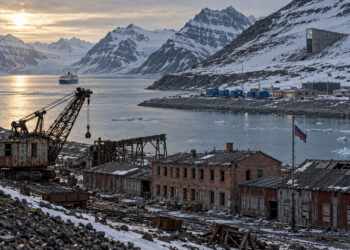
Physical landscapes carry memorials, ruins, and reused structures that anchor communal memory. Place names, cemeteries, and preserved routes encode stories about notable events and migrations. Public commemorations and heritage efforts selectively emphasize certain narratives, influencing how residents and visitors perceive the past. Memory work therefore shapes contemporary identity as much as material remnants do.
Balancing tangible and intangible evidence gives a fuller picture of regional character. It also helps planners and educators make decisions that respect complexity.
Conclusion
Regions are the product of layered processes that combine geography, culture, economy, and memory. Appreciating those layers encourages nuanced approaches to preservation and development. A long-view perspective reveals why local identities persist and adapt.