Regions are made as much by routine activity as by dramatic events, and understanding that quiet work helps historians see how collective memory forms. Ordinary places — markets, lanes, fields, workshops — accumulate meaning through repeated use, speech, and practice. Paying attention to these small-scale processes reveals how communities anchor identity and navigate change. This introduction sets out why everyday landscapes and practices matter for regional history.
Everyday Practices as Historical Threads
Daily routines, from seasonal labor to ritual observance, provide continuity across generations and shape the narratives communities tell about themselves. These practices embed knowledge in places: paths wear down where people travel, toponyms recall past uses, and local crafts carry techniques that record long-term adaptations. By tracing recurring actions, historians can reconstruct networks of obligation, exchange, and belonging that formal records often overlook. This focus shifts emphasis from rare events to durable patterns that sustain regional life.
Recognizing practice as evidence means listening for repetition and variation in sources such as oral testimony, household inventories, and diaries. It also requires situating behaviors within changing economic and environmental contexts. Together these approaches make everyday life legible as a form of historical memory.
Reading Landscapes and Built Environments
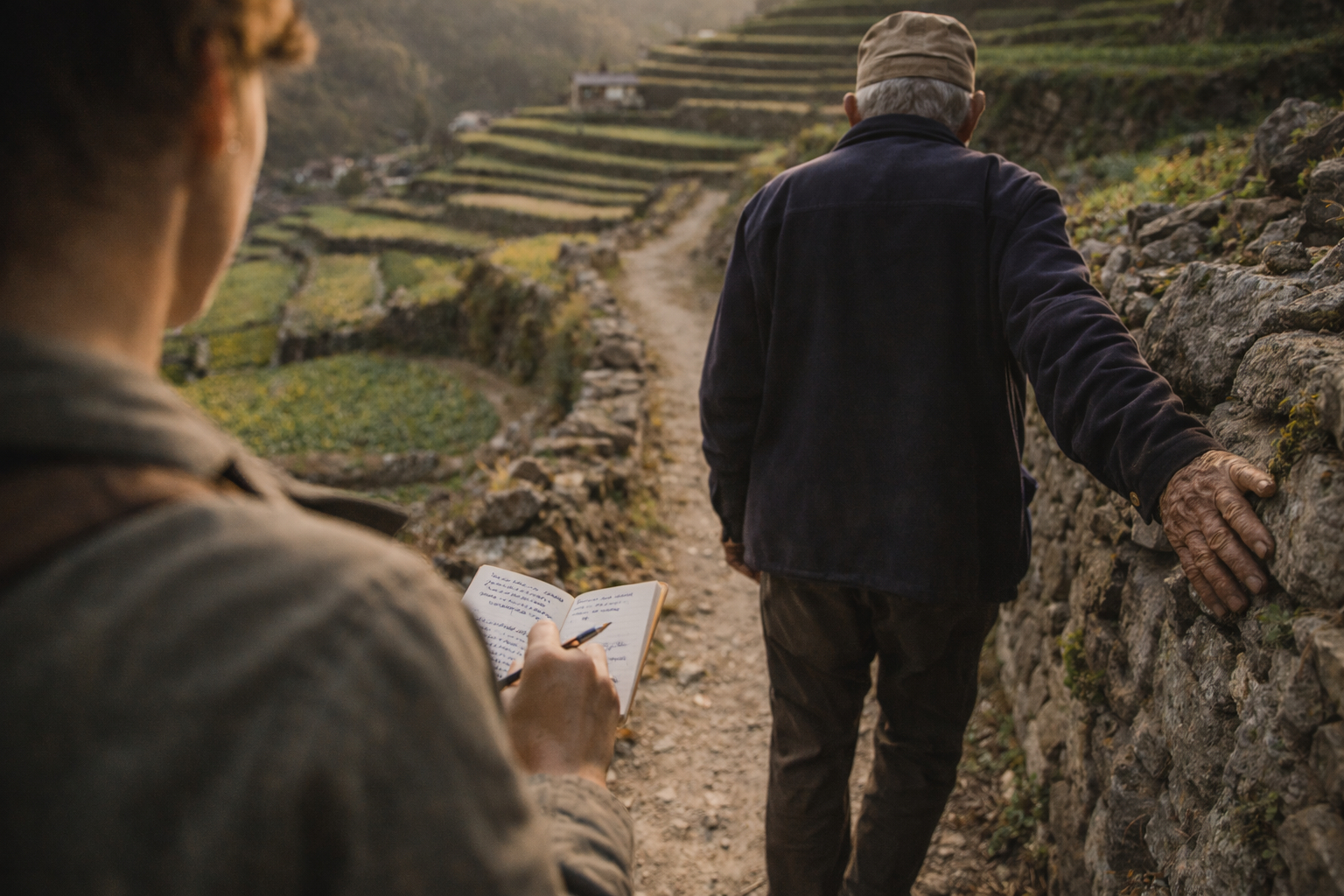
Built and natural landscapes are archives of use: terraces, waterworks, and road alignments reveal choices made to manage resources and mobility. Material traces record conflicts, cooperation, and innovation at a scale that maps and legislation cannot always capture. Landscape reading combines field observation with archival mapping and photographic comparison to uncover layered histories of modification and repair. This interdisciplinary method connects tangible remains with intangible meanings assigned by local communities.
Interpreting the built environment also highlights power relations embedded in space, from who controlled access to routes to which places were invested with symbolic value. Paying attention to these dynamics offers a fuller account of how regions were organized socially and culturally.
Local Networks and Material Traces
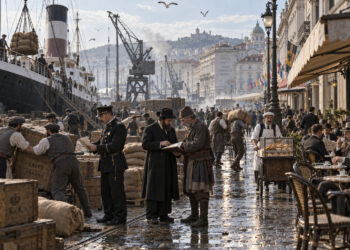
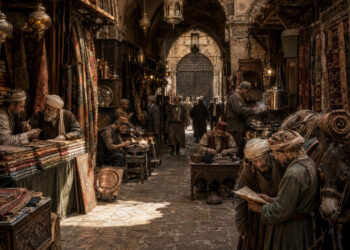
Markets, craft networks, pilgrimage routes, and kin ties form the conduits through which knowledge and goods circulate, knitting together distinctive regional worlds. Material culture — tools, vernacular buildings, and household objects — preserves skills and preferences that illuminate longer-term connections. Studying these networks reveals how peripheral places participated in wider exchange while maintaining particular local rhythms. It also shows how memory is transmitted through objects as well as stories.
Combining network analysis with close readings of material remains allows historians to map relationships that survive beyond formal institutions. Such work uncovers the subtle scaffolding of regional identity.
Conclusion
Understanding regions requires attending to the small, repeated acts that create lasting patterns and meanings. Everyday landscapes and practices offer a rich archive for interpreting how communities remember and organize themselves. Focusing on these elements produces a nuanced, enduring picture of regional history.