
Communities form histories through everyday connections, shared labor, and recurring rituals that often go unrecorded in official archives. By tracing local networks — markets, kinship ties, religious practices, and craft exchanges — historians can recover the practices that sustained regional life. These micro-level links reveal how people adapted to change while maintaining continuity in identities and obligations. Attending to small-scale evidence helps bridge personal memory and broader historical narratives.
Connections and Everyday Exchange
Interactions at marketplaces, work sites, and domestic settings create durable patterns that define a region’s character over generations. Goods, skills, and information circulated along personal networks long before formal institutions documented them, and those flows shaped local economies and social norms. Paying attention to letters, account books, and oral testimonies illuminates how reciprocity and obligation structured daily life. Such sources show the interplay between material needs and cultural expectations in forming community bonds.
Understanding these exchanges highlights the informal structures that guided behavior and decision-making. These patterns often persisted even as political boundaries shifted, sustaining a sense of place and mutual dependency.
Institutions, Rituals, and Collective Memory
Local institutions — guilds, religious confraternities, schools, and councils — anchored communal identity through ritual and governance. Festivals, mourning practices, and legal customs encoded shared values and transmitted them across generations, producing a common memory. Examining records of ceremonies, minutes of meetings, and liturgical changes reveals how communities negotiated continuity and change. Rituals both stabilized social order and provided occasions for reinterpreting the past.
Institutions also mediated between individual experiences and larger political forces, creating spaces where local stories were formalized and preserved. This process shaped what communities remembered and what they let fade.
Archives, Maps, and Microhistorical Methods
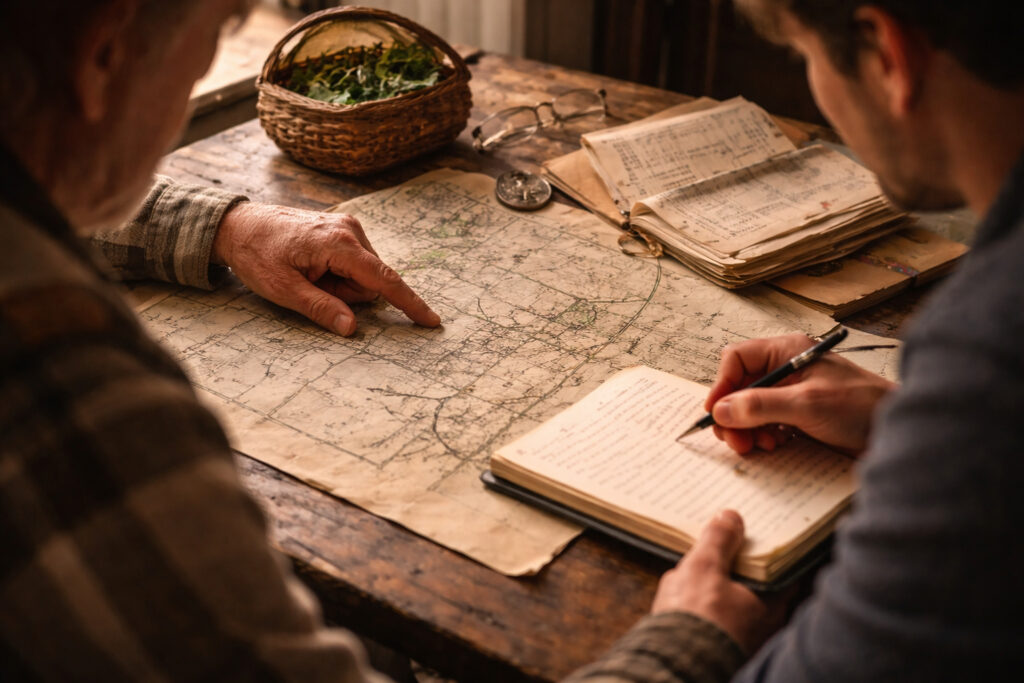
Microhistory and local mapping offer tools to reconstruct networks that standard narratives overlook. Combining cadastral maps, probate inventories, and spatial analysis with personal documents can reveal patterns of landholding, migration, and labour. These small-scale studies make visible the contingencies that produced long-term outcomes and demonstrate how ordinary actors influenced regional change. Researchers benefit from interdisciplinary sources that connect material culture to written traces.
- Use maps to trace household proximity and trade routes.
- Consult inventories to understand consumption and production.
Such methods recover voices and practices that broaden our understanding of how communities made history together. They emphasize process over grand events.
Conclusion
Local networks shape collective histories through everyday practices, institutions, and shared memories. Focusing on micro-level evidence uncovers the mechanics of community life and resilience. These approaches enrich regional history by reconnecting people’s lived experiences with broader historical change.