Uncover History’s Secrets with Daily Updates!
Daily News Entertainment
  • Home
  • History
  • Biographies
  • Eras
  • Regions
  • Timeline
No Result
View All Result
History Ours
  • Home
  • History
  • Biographies
  • Eras
  • Regions
  • Timeline
No Result
View All Result
History Ours
No Result
View All Result
Home Regions

How Landscapes and Memory Shape Regional Histories

in Regions
How Landscapes and Memory Shape Regional Histories

Regions are not only political outlines on a map but living combinations of environment, material traces, and remembered experience.
Studying regional history means attending to the physical contours that shaped livelihoods and movement, and to the stories people pass down about place.
This article outlines practical ways to read landscapes, local memory, and archival practice together to understand how regions emerge over time.
It emphasizes methods that historians, community researchers, and educators can use to reveal layered identities without simplifying complex pasts.

Landscape and Material Traces

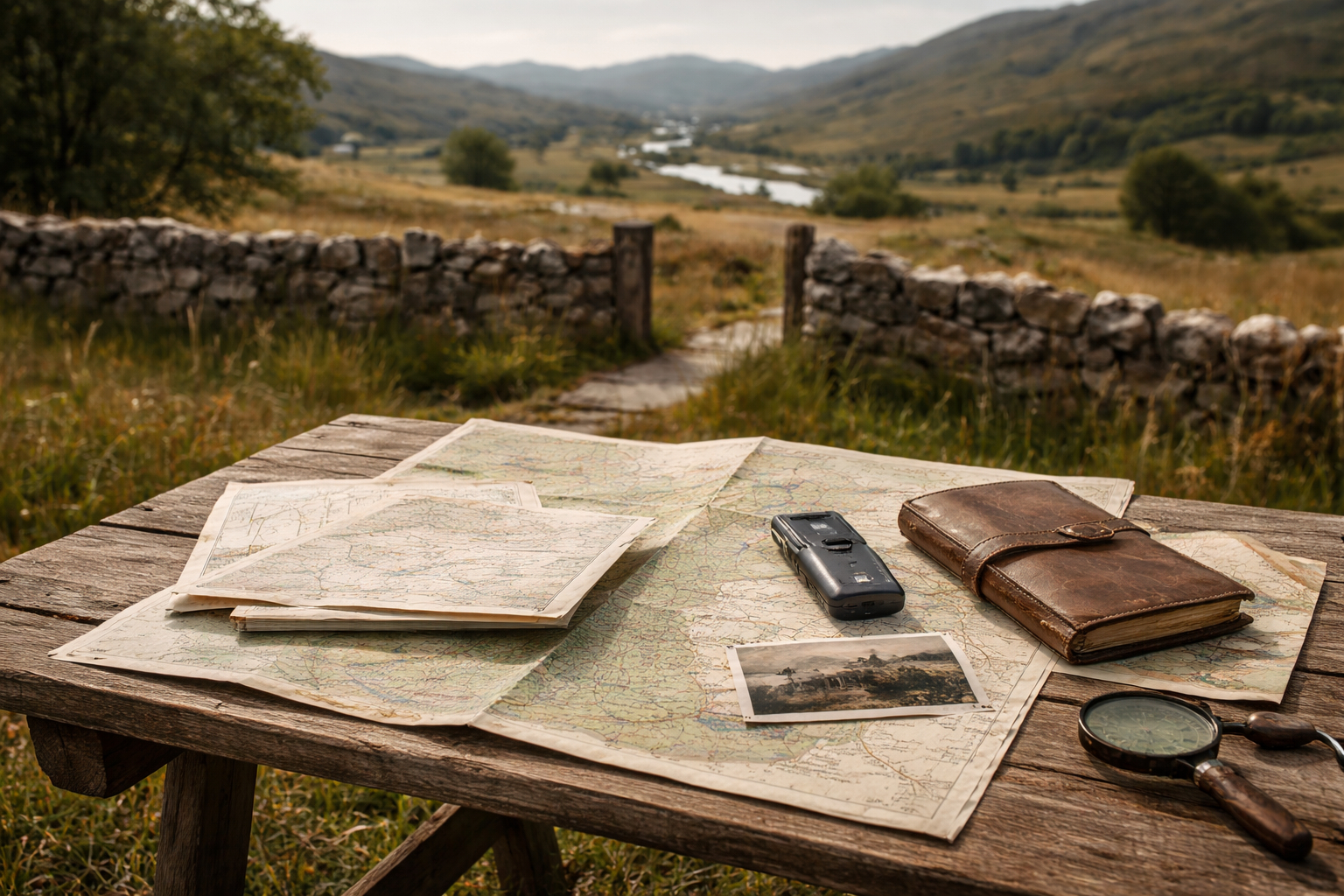
Landforms, waterways, soil types, and built environments leave persistent effects on settlement, economy, and culture. Archaeological sites, old roads, and surviving architecture provide material anchors for narratives about community origins and change. Paying attention to these traces helps explain why particular towns grew, why routes became important, and how resources shaped social relations. Scholars should combine field observation with maps and oral testimony to connect physical evidence to human choices.

Reading the landscape is an interpretive act that requires attention to scale and time. It also requires humility about gaps in the record.

Memory, Stories, and Local Identity

Memories and stories circulate in families, festivals, and local institutions, shaping how residents understand place and past. Oral histories can reveal everyday practices, contested events, and shifting meanings attached to landmarks and borders. However, communal memory is selective and often layered with legend, politics, and forgetting, so triangulation with other sources is essential. Listening to multiple voices prevents a single narrative from dominating regional history.

Working with community memory fosters trust and often brings previously hidden perspectives to light. It also demands ethical attention to representation and consent.

Archives, Institutions, and Changing Boundaries

Official records, cadastral maps, and institutional papers record administrative changes and disputes that reshape regions. These sources reveal how legal frameworks, taxation, and governance redraw lines and create new regional attachments. Yet archives carry biases: they privilege literate elites, certain institutions, and episodic events over everyday experiences. Combining institutional records with material and oral evidence offers a fuller account of regional transformation.

Researchers should critically assess archival silences and seek community archives and nonwritten sources. That practice broadens the narrative and corrects institutional distortions.

Collaborative Methods and Public Engagement

Working with local communities from project design through dissemination produces richer, more accountable histories. Participatory mapping, community-curated exhibitions, and co-authored oral histories return agency to residents and reveal priorities researchers might overlook. Digital tools can help preserve and share testimony, but they require thoughtful curation and long-term stewardship commitments. Collaborative projects also open paths for educational programming and local decision-making.

Ethical collaboration involves transparent goals, fair credit, and shared access to outcomes. These practices deepen relevance and sustain ongoing regional knowledge.

Conclusion

Regional histories emerge where landscape, memory, and institutions meet.
A layered, evidence-driven approach reveals complexity without erasing contingency.
Attentive research practices help communities and scholars craft more inclusive stories of place.
Previous Post

How Local Landscapes Shape Regional Memory and Identity

Next Post

Designing Effective Historical Timelines for Public Spaces

Related Posts

Trieste: A Port at the Edge of Empires
Regions

Trieste: A Port at the Edge of Empires

September 15, 2026
Svalbard: How a Frozen Archipelago Became an International Outpost
Regions

Svalbard: How a Frozen Archipelago Became an International Outpost

September 15, 2026
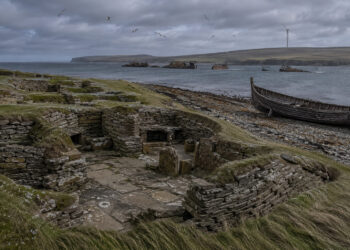
Orkney: Where Norse Law and Scottish Life Intertwined
Regions

Orkney: Where Norse Law and Scottish Life Intertwined

September 15, 2026
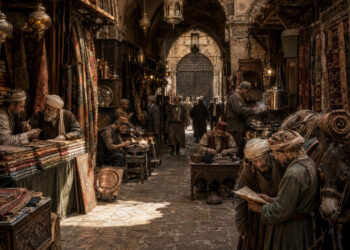
Inside the Covered Streets: The Grand Bazaar and Istanbul’s Life
Regions

Inside the Covered Streets: The Grand Bazaar and Istanbul’s Life

September 15, 2026
Next Post
Designing Accessible Timelines for Community History

Designing Accessible Timelines for Community History

Search..

No Result
View All Result

Recent Articles

The Disguise That Broke Chains: Ellen and William Craft

The Disguise That Broke Chains: Ellen and William Craft

September 15, 2026
Bass Reeves: The Marshal Who Hunted Outlaws in Indian Territory

Bass Reeves: The Marshal Who Hunted Outlaws in Indian Territory

September 15, 2026
How the Crystal Palace Turned Glass and Iron into a Modern Stage

How the Crystal Palace Turned Glass and Iron into a Modern Stage

September 15, 2026
Anne Bonny: The Pirate Who Broke Rules and Expectations

Anne Bonny: The Pirate Who Broke Rules and Expectations

September 15, 2026
How Haiti Broke Its Chains: A 1791–1804 Timeline

How Haiti Broke Its Chains: A 1791–1804 Timeline

September 15, 2026

Subscribe Us

By clicking submit, I authorize History Ours and its affiliated companies to: (1) use, sell, and share my information for marketing purposes, including cross-context behavioral advertising, as described in our Terms of Service and Privacy Policy, (2) supplement the information that I provide with additional information lawfully obtained from other sources, like demographic data from public sources, interests inferred from web page views, or other data relevant to what might interest me, like past purchase or location data, (3) contact me or enable others to contact me by email with offers for goods and services from any category at the email address provided, and (4) retain my information while I am engaging with marketing messages that I receive and for a reasonable amount of time thereafter. I understand I can opt out at any time through an email that I receive, or by clicking here

Subscribe To Our Newsletter

By clicking submit, I authorize History Ours and its affiliated companies to: (1) use, sell, and share my information for marketing purposes, including cross-context behavioral advertising, as described in our Terms of Service and Privacy Policy, (2) supplement the information that I provide with additional information lawfully obtained from other sources, like demographic data from public sources, interests inferred from web page views, or other data relevant to what might interest me, like past purchase or location data, (3) contact me or enable others to contact me by email with offers for goods and services from any category at the email address provided, and (4) retain my information while I am engaging with marketing messages that I receive and for a reasonable amount of time thereafter. I understand I can opt out at any time through an email that I receive, or by clicking here.

© 2026 History Ours | All Rights Reserved

  • Contact Us
  • Privacy Policy
  • Terms of Service
  • Unsubscribe
  • Privacy Choices
  • Contact Us
  • Privacy Policy
  • Terms of Service
  • Unsubscribe
  • Privacy Choices

© 2026 History Ours | All Rights Reserved

No Result
View All Result
  • Home
  • History
  • Biographies
  • Eras
  • Regions
  • Timeline

© 2026 History Ours | All Rights Reserved

Skip to content
Open toolbar Accessibility Tools

Accessibility Tools

  • Increase TextIncrease Text
  • Decrease TextDecrease Text
  • GrayscaleGrayscale
  • High ContrastHigh Contrast
  • Negative ContrastNegative Contrast
  • Light BackgroundLight Background
  • Links UnderlineLinks Underline
  • Readable FontReadable Font
  • Reset Reset