
Uncover History’s Secrets with Daily Updates!
Daily News Entertainment
  • Home
  • History
  • Biographies
  • Eras
  • Regions
  • Timeline
No Result
View All Result
History Ours
  • Home
  • History
  • Biographies
  • Eras
  • Regions
  • Timeline
No Result
View All Result
History Ours
No Result
View All Result
Home Regions

How Local Landscapes Shape Regional Memory and Identity

in Regions
How Local Landscapes Shape Regional Memory and Identity

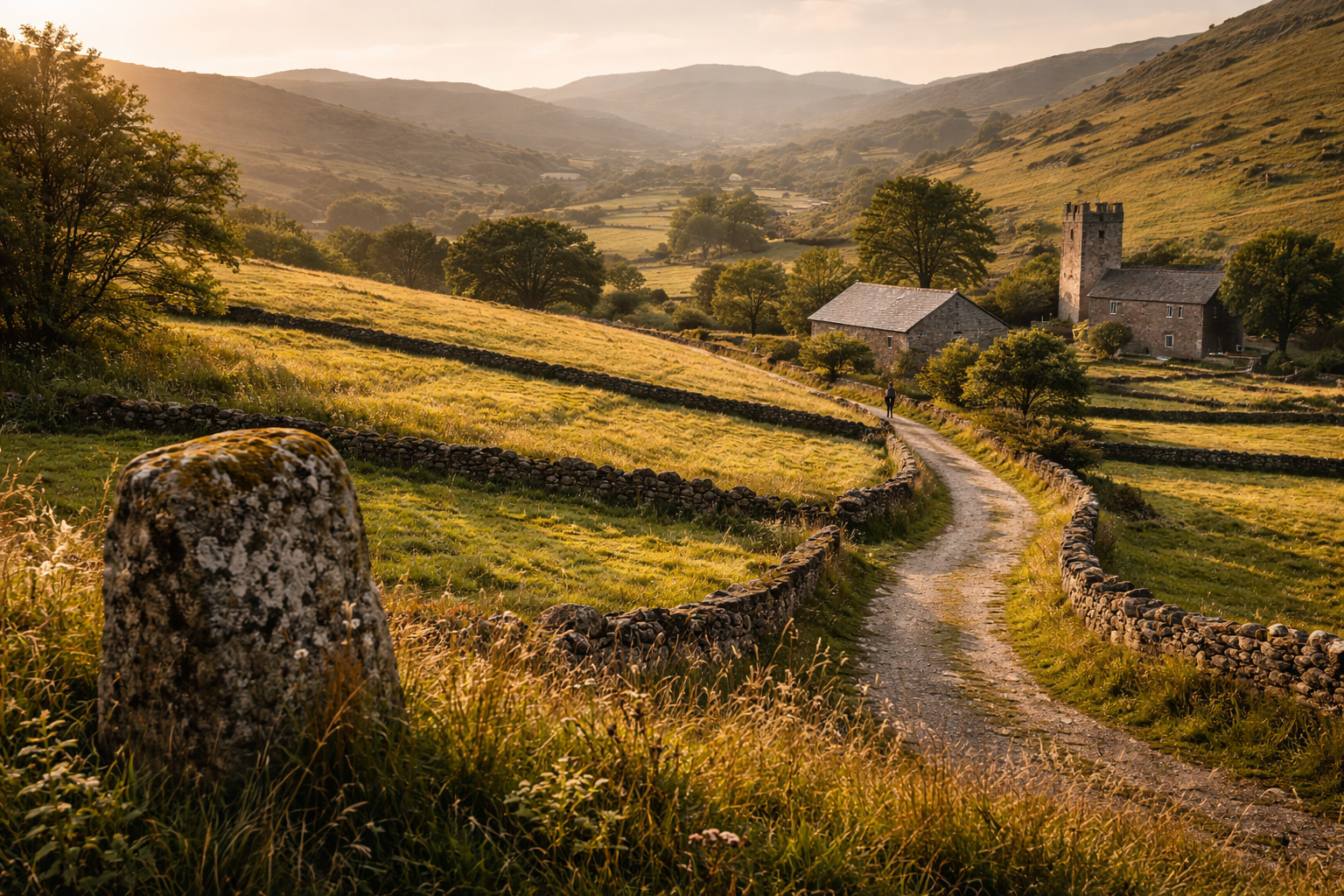
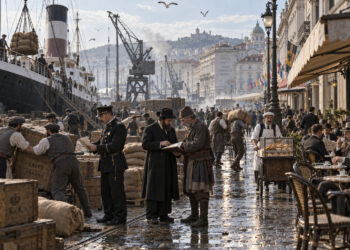
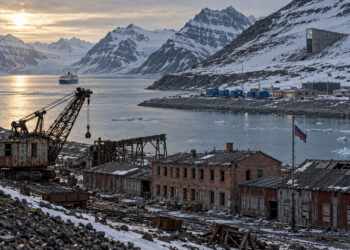
Regions are not simply defined by lines on a map but by layered human experiences within particular landscapes. Over generations, places accumulate practices, built forms, and stories that give them distinct character. Understanding regional identity involves tracing how material traces and social memory interact. This article explores how landscapes, rituals, and institutions work together to produce lasting local identities.

Landscape and Material Culture

Physical features and built environments anchor historical memory in everyday life. Roads, boundary stones, field patterns, and old houses carry evidence of earlier economies and social relations that continue to shape local behavior and expectations. Material culture also frames how residents regulate space, negotiate resources, and remember past events. Archaeological traces and surviving architecture provide tangible points of reference for storytelling and identity formation. Together these elements make a region legible to people who live in and visit it.

When communities preserve or repurpose structures they maintain continuity with previous generations. Conservation choices reveal what a place values and what narratives are emphasized. These decisions feed back into how newcomers and descendants perceive the region.

Memory, Ritual, and Everyday Life

Collective memory is sustained through rituals, commemorations, and everyday routines that reinforce a shared sense of belonging. Markets, festivals, and religious observances connect present-day residents to seasonal cycles and historical practices. Oral histories, place names, and family narratives further embed the past in local identity, making history accessible outside formal archives. Informal traditions often resist official narratives and preserve alternative interpretations of regional experience. Over time, these lived practices help stabilize a region’s cultural rhythms and social norms.

Because memory is selective, communities constantly renegotiate which stories are visible. That process affects inclusion, exclusion, and the range of identities that feel at home in a place.

Institutions, Maps, and Narrative Practice

Administrative decisions, schooling, and mapping play central roles in shaping how regions are imagined and managed. Governments, schools, and local organizations codify certain histories while minimizing others, influencing collective self-understanding. Maps and textbooks translate complex, layered landscapes into legible units for governance and education, often producing standardized regional identities. At the same time, scholarly and community-based research can recover neglected narratives and reshape public awareness. The interaction of formal and informal storytelling produces the official and vernacular geographies people inhabit.

Institutional practices therefore matter for both material planning and cultural recognition. Changing policies or curricula can alter the way a region is understood across generations.

Conclusion

Regional identity emerges from a mix of material conditions, everyday practices, and institutional narratives. Paying attention to landscapes, rituals, and maps reveals how continuity and change coexist in local history. Sustained engagement with these layers helps communities shape inclusive and resilient senses of place.
Previous Post

Organizing the Past: Practical Guides to Historical Eras

Next Post

How Landscapes and Memory Shape Regional Histories

Related Posts

Trieste: A Port at the Edge of Empires
Regions

Trieste: A Port at the Edge of Empires

September 15, 2026
Svalbard: How a Frozen Archipelago Became an International Outpost
Regions

Svalbard: How a Frozen Archipelago Became an International Outpost

September 15, 2026
Orkney: Where Norse Law and Scottish Life Intertwined
Regions

Orkney: Where Norse Law and Scottish Life Intertwined

September 15, 2026
Inside the Covered Streets: The Grand Bazaar and Istanbul’s Life
Regions

Inside the Covered Streets: The Grand Bazaar and Istanbul’s Life

September 15, 2026
Next Post
How Landscapes and Memory Shape Regional Histories

How Landscapes and Memory Shape Regional Histories

Search..

No Result
View All Result

Recent Articles

Edo: Japan’s Urban Revolution of Lanterns and Printshops

Edo: Japan’s Urban Revolution of Lanterns and Printshops

September 16, 2026
How the Little Ice Age Changed Everyday Life in Europe

How the Little Ice Age Changed Everyday Life in Europe

September 16, 2026
The Disguise That Broke Chains: Ellen and William Craft

The Disguise That Broke Chains: Ellen and William Craft

September 15, 2026
Bass Reeves: The Marshal Who Hunted Outlaws in Indian Territory

Bass Reeves: The Marshal Who Hunted Outlaws in Indian Territory

September 15, 2026
How the Crystal Palace Turned Glass and Iron into a Modern Stage

How the Crystal Palace Turned Glass and Iron into a Modern Stage

September 15, 2026

Subscribe Us

By clicking submit, I authorize History Ours and its affiliated companies to: (1) use, sell, and share my information for marketing purposes, including cross-context behavioral advertising, as described in our Terms of Service and Privacy Policy, (2) supplement the information that I provide with additional information lawfully obtained from other sources, like demographic data from public sources, interests inferred from web page views, or other data relevant to what might interest me, like past purchase or location data, (3) contact me or enable others to contact me by email with offers for goods and services from any category at the email address provided, and (4) retain my information while I am engaging with marketing messages that I receive and for a reasonable amount of time thereafter. I understand I can opt out at any time through an email that I receive, or by clicking here

Subscribe To Our Newsletter

By clicking submit, I authorize History Ours and its affiliated companies to: (1) use, sell, and share my information for marketing purposes, including cross-context behavioral advertising, as described in our Terms of Service and Privacy Policy, (2) supplement the information that I provide with additional information lawfully obtained from other sources, like demographic data from public sources, interests inferred from web page views, or other data relevant to what might interest me, like past purchase or location data, (3) contact me or enable others to contact me by email with offers for goods and services from any category at the email address provided, and (4) retain my information while I am engaging with marketing messages that I receive and for a reasonable amount of time thereafter. I understand I can opt out at any time through an email that I receive, or by clicking here.

© 2026 History Ours | All Rights Reserved

  • Contact Us
  • Privacy Policy
  • Terms of Service
  • Unsubscribe
  • Privacy Choices
  • Contact Us
  • Privacy Policy
  • Terms of Service
  • Unsubscribe
  • Privacy Choices

© 2026 History Ours | All Rights Reserved

No Result
View All Result
  • Home
  • History
  • Biographies
  • Eras
  • Regions
  • Timeline

© 2026 History Ours | All Rights Reserved

Skip to content
Open toolbar Accessibility Tools

Accessibility Tools

  • Increase TextIncrease Text
  • Decrease TextDecrease Text
  • GrayscaleGrayscale
  • High ContrastHigh Contrast
  • Negative ContrastNegative Contrast
  • Light BackgroundLight Background
  • Links UnderlineLinks Underline
  • Readable FontReadable Font
  • Reset Reset