
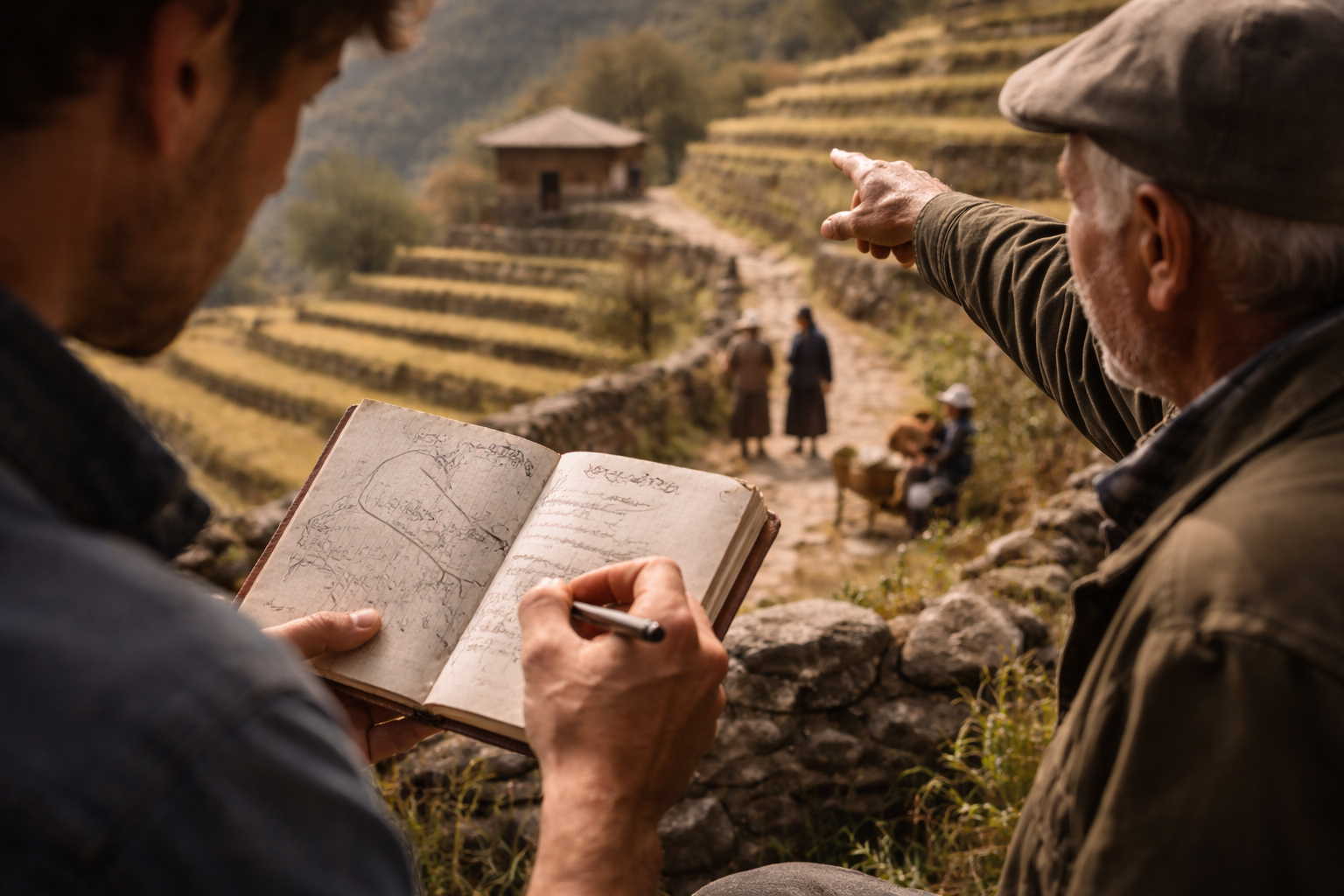
Regions are living stories shaped by daily practices, material traces, and collective memory.
Understanding how communities forge a sense of place helps decode the layers of regional history.
This article outlines how routines, built environments, and networks co-create regional identities over time.
It offers practical approaches for researchers and interested readers to read local landscapes with attention.
Everyday activities—work, worship, market exchange, and leisure—anchor people to particular places and rhythms.
These repeated behaviors produce habits that are visible in spatial arrangements and oral practices.
Paying attention to ordinary routines reveals continuity as well as moments of change.
Local histories emerge when these patterns are connected to material and narrative evidence.
Short closing paragraph highlighting the section’s point and preparing the reader for the next themes.
Community Practices and Everyday Life
Community practices shape how a region is experienced across generations and social groups.
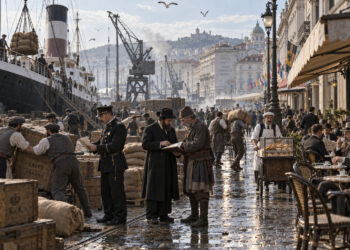
Festivals, agricultural cycles, and neighborhood exchanges create temporal markers that people use to orient themselves locally.
Language, gesture, and locally specific knowledge circulate informally and sustain belonging in ways formal records may not capture.
Studying these practices opens a window onto how identity is lived rather than simply declared.
Closing this section, researchers should combine ethnographic listening with material observation to map those lived connections.
Material Landscapes and Visible Traces
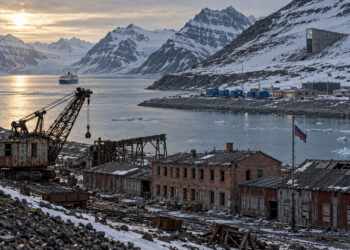
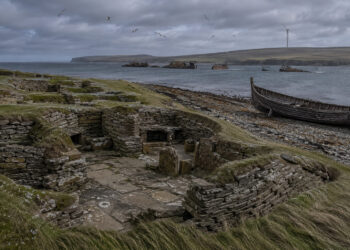
Built forms, field boundaries, pathways, and abandoned structures preserve traces of past choices and social arrangements.
Architectural styles, road alignments, and the placement of communal spaces all encode histories of labor, authority, and access.
Artifacts in domestic and public spaces often reveal contacts, trade, and migration that shaped a region’s development.
Interpreting these traces requires situating objects within local practices and known timelines.
- Look for patterns in land use such as terraces, hedgerows, or clustered settlements.
- Compare material evidence with oral testimonies and archival records for fuller context.
By combining material and narrative evidence, scholars can better reconstruct how the landscape was produced and used.
Networks, Memory, and Narrative Making
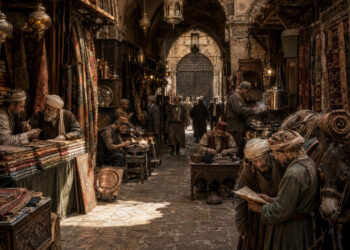
Regional identity is also constructed through networks of exchange—commercial, familial, and ritual—that cross local boundaries.
Stories, commemorations, and selective forgetting circulate along these routes and become part of communal memory.
Memory work can be contested, as different groups emphasize distinct pasts to claim belonging or reshape status.
Attention to who tells which stories, and in what settings, helps reveal the dynamics of inclusion and exclusion.
Researchers should map both tangible connections and narrative flows to understand how regions are imagined and maintained.
Conclusion
Reading a region means attending to everyday practices, material forms, and circulating stories.
Together these elements reveal how communities continually forge and contest a shared sense of place.
A multi-layered approach produces richer, more grounded regional histories.