
Uncover History’s Secrets with Daily Updates!
Daily News Entertainment
  • Home
  • History
  • Biographies
  • Eras
  • Regions
  • Timeline
No Result
View All Result
History Ours
  • Home
  • History
  • Biographies
  • Eras
  • Regions
  • Timeline
No Result
View All Result
History Ours
No Result
View All Result
Home Regions

Sea Islands: Rice, Sweetgrass, and a Living West African Legacy

in Regions
Sea Islands: Rice, Sweetgrass, and a Living West African Legacy

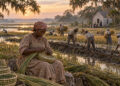
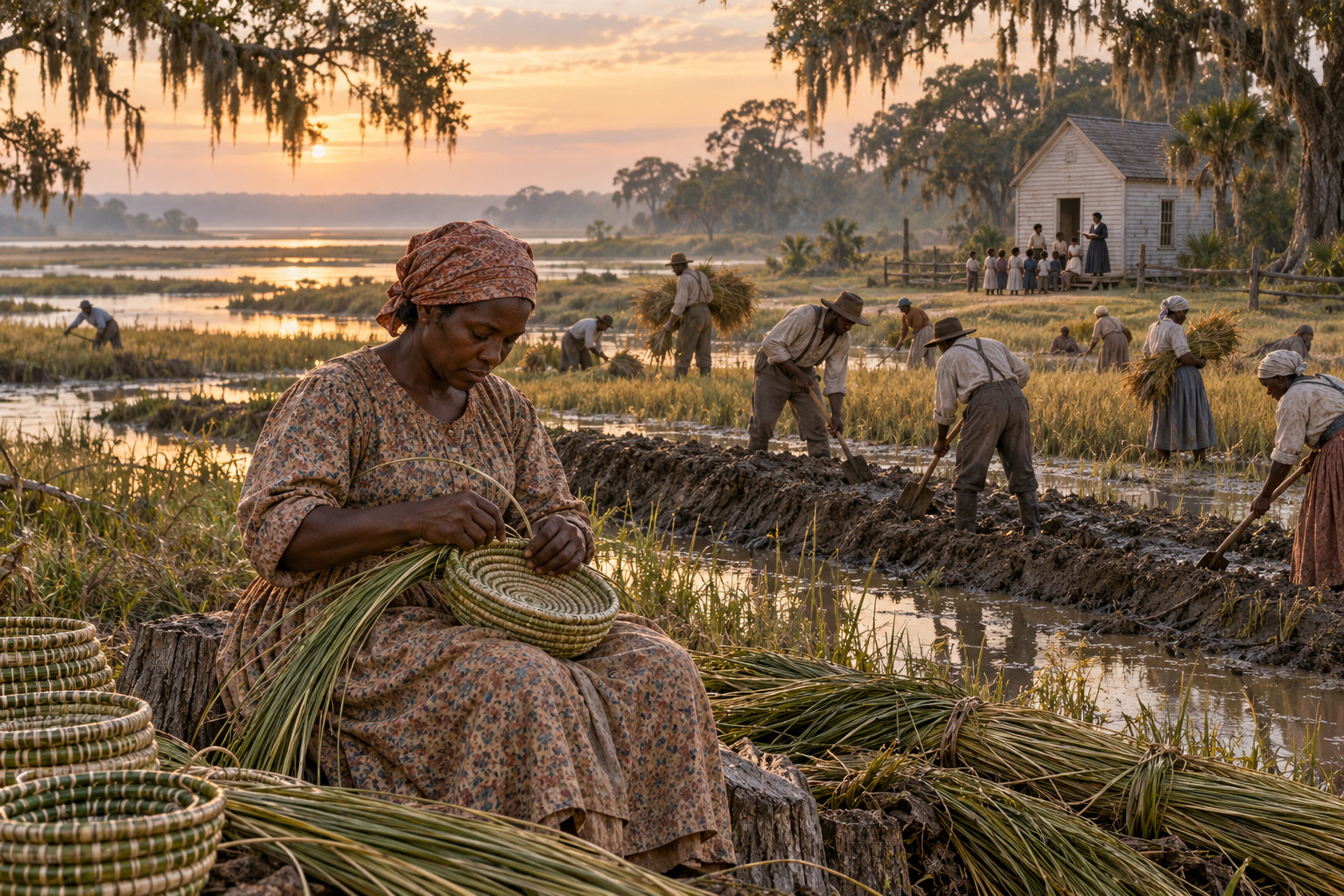
The Sea Islands—narrow ribbons of sand and marsh off the coasts of South Carolina and Georgia—look quiet today, but their landscape carries a noisy past. From the seventeenth century onward, planters turned those tidal marshes into some of North America’s richest rice and indigo estates. That wealth depended on a terrible skill: enslaved Africans brought knowledge of tidal irrigation, rice strains, and wetland labor from the West African Rice Coast. Their expertise turned brackish creeks into standing fields, and it shaped the islands’ social geography so thoroughly that enslaved people outnumbered white residents on many plantations.

Isolation amplified cultural continuity. The islands’ remoteness, coastal weather, and plantation patterns allowed a distinct Creole culture to form. The language now called Gullah—known in some places as Geechee—blends West African grammar and vocabulary with English. Crafts and music retained African rhythms and forms; sweetgrass basketry, for example, traces techniques back to rice-growing regions of West Africa and survives today as a recognizable island art.

Port Royal and Uncertain Freedom

When Union forces seized parts of the Sea Islands in 1861–62, the sudden absence of white owners produced an extraordinary, if short-lived, experiment. Formerly enslaved people stayed on the land, worked it, and established schools and churches with the support of Northern teachers and aid workers. Historians call this phase the Port Royal Experiment: freed people cultivated crops, learned to manage wages and land, and created civic institutions from scratch.

That early taste of autonomy mattered, even as legal and political reversals followed. Presidential policies after the Civil War, along with the reassertion of planter claims, deprived many islanders of land ownership. Still, the social networks, agricultural memory, language, and crafts the community carried through slavery and reconstruction kept the Gullah culture alive when so much else was erased.

Modern Strains: Tourism, Storms, and Cultural Revival

The twentieth century brought new pressures. Rising property values, second-home development, and a booming tourist economy pushed many island families off ancestral land. Hurricanes and coastal erosion have also reshaped the shoreline, threatening burial grounds and homesteads. In response, preservation efforts have multiplied: community organizations, cultural festivals, and museums highlight Gullah traditions, and in 2006 Congress established the Gullah/Geechee Cultural Heritage Corridor to recognize and support the region’s history.

Today the Sea Islands are both a fragile landscape and a living archive. Basketmakers still braid sweetgrass by hand. storytellers and singers keep the language’s cadences intact. Visitors can sense how rice fields, language, and craft stitched a people to place—but what survives is the result of continual adaptation, fight, and care.

Conclusion

The Sea Islands remind us that regions are more than lines on a map. They are practices—tides worked, songs sung, baskets woven, schools founded—held in common across centuries. Beneath their quiet dikes and marshes lies a history that neither development nor disaster has entirely erased.
Previous Post

Kelp and Coin: Scotland’s Seaweed Economy and the Clearances

Next Post

Milestones That Shaped World History Timelines

Related Posts

Kelp and Coin: Scotland’s Seaweed Economy and the Clearances
Regions

Kelp and Coin: Scotland’s Seaweed Economy and the Clearances

October 7, 2026
How Wind and Loess Built the Palouse Wheatlands
Regions

How Wind and Loess Built the Palouse Wheatlands

October 2, 2026
When the Erie Canal Made New York the Nation’s Gateway
Regions

When the Erie Canal Made New York the Nation’s Gateway

October 2, 2026
Gotland’s Herring Booms: How Fish Forged a Baltic Region
Regions

Gotland’s Herring Booms: How Fish Forged a Baltic Region

September 27, 2026
Next Post
Milestones That Shaped World History Timelines

Milestones That Shaped World History Timelines

Search..

No Result
View All Result

Recent Articles

Key Turning Points in Global Urban History

Key Turning Points in Global Urban History

October 8, 2026
Milestones That Shaped World History Timelines

Milestones That Shaped World History Timelines

October 8, 2026
Sea Islands: Rice, Sweetgrass, and a Living West African Legacy

Sea Islands: Rice, Sweetgrass, and a Living West African Legacy

October 7, 2026
Kelp and Coin: Scotland’s Seaweed Economy and the Clearances

Kelp and Coin: Scotland’s Seaweed Economy and the Clearances

October 7, 2026
The Printing Press Era: How Movable Type Remade Europe

The Printing Press Era: How Movable Type Remade Europe

October 6, 2026

Subscribe Us

By clicking submit, I authorize History Ours and its affiliated companies to: (1) use, sell, and share my information for marketing purposes, including cross-context behavioral advertising, as described in our Terms of Service and Privacy Policy, (2) supplement the information that I provide with additional information lawfully obtained from other sources, like demographic data from public sources, interests inferred from web page views, or other data relevant to what might interest me, like past purchase or location data, (3) contact me or enable others to contact me by email with offers for goods and services from any category at the email address provided, and (4) retain my information while I am engaging with marketing messages that I receive and for a reasonable amount of time thereafter. I understand I can opt out at any time through an email that I receive, or by clicking here

Subscribe To Our Newsletter

By clicking submit, I authorize History Ours and its affiliated companies to: (1) use, sell, and share my information for marketing purposes, including cross-context behavioral advertising, as described in our Terms of Service and Privacy Policy, (2) supplement the information that I provide with additional information lawfully obtained from other sources, like demographic data from public sources, interests inferred from web page views, or other data relevant to what might interest me, like past purchase or location data, (3) contact me or enable others to contact me by email with offers for goods and services from any category at the email address provided, and (4) retain my information while I am engaging with marketing messages that I receive and for a reasonable amount of time thereafter. I understand I can opt out at any time through an email that I receive, or by clicking here.

© 2026 History Ours | All Rights Reserved

  • Contact Us
  • Privacy Policy
  • Terms of Service
  • Unsubscribe
  • Privacy Choices
  • Contact Us
  • Privacy Policy
  • Terms of Service
  • Unsubscribe
  • Privacy Choices

© 2026 History Ours | All Rights Reserved

No Result
View All Result
  • Home
  • History
  • Biographies
  • Eras
  • Regions
  • Timeline

© 2026 History Ours | All Rights Reserved

Skip to content
Open toolbar Accessibility Tools

Accessibility Tools

  • Increase TextIncrease Text
  • Decrease TextDecrease Text
  • GrayscaleGrayscale
  • High ContrastHigh Contrast
  • Negative ContrastNegative Contrast
  • Light BackgroundLight Background
  • Links UnderlineLinks Underline
  • Readable FontReadable Font
  • Reset Reset